grammy@cjm.com.cn

 English
 русский
 Español
 عربى
عربى
Content
- 1 The Short Answer Before the Details
- 2 Where the Energy Actually Goes on a PVC Coating Line
- 3 Six Questions That Reveal a Genuinely Efficient Supplier
- 4 Oven, Airflow and Heat Recovery: The Biggest Single Lever
- 5 Substrate Choice Changes the Coating Train
- 6 Custom Widths, Coat Weights and Layouts
- 7 How to Compare Two Quotations Without Being Misled
- 8 Verification, Installation and Long-Term Support
Two PVC coating lines can look almost identical in a quotation and behave completely differently once they are in production. One holds an 1800 mm web at 20 m/min with the curing oven at part load. The other reaches the same output but keeps the burner near its ceiling, because the airflow pattern fights the web and the exhaust carries away heat that should have gone into the coating. The two purchase prices are close. The five-year energy bill is not.
That is why the first question to put to any supplier is not what the line costs. It is how the heating, airflow and control design will behave at your coating weight, your line speed and your plant conditions. The sections below set out what to check, in the order that matters most.
The Short Answer Before the Details
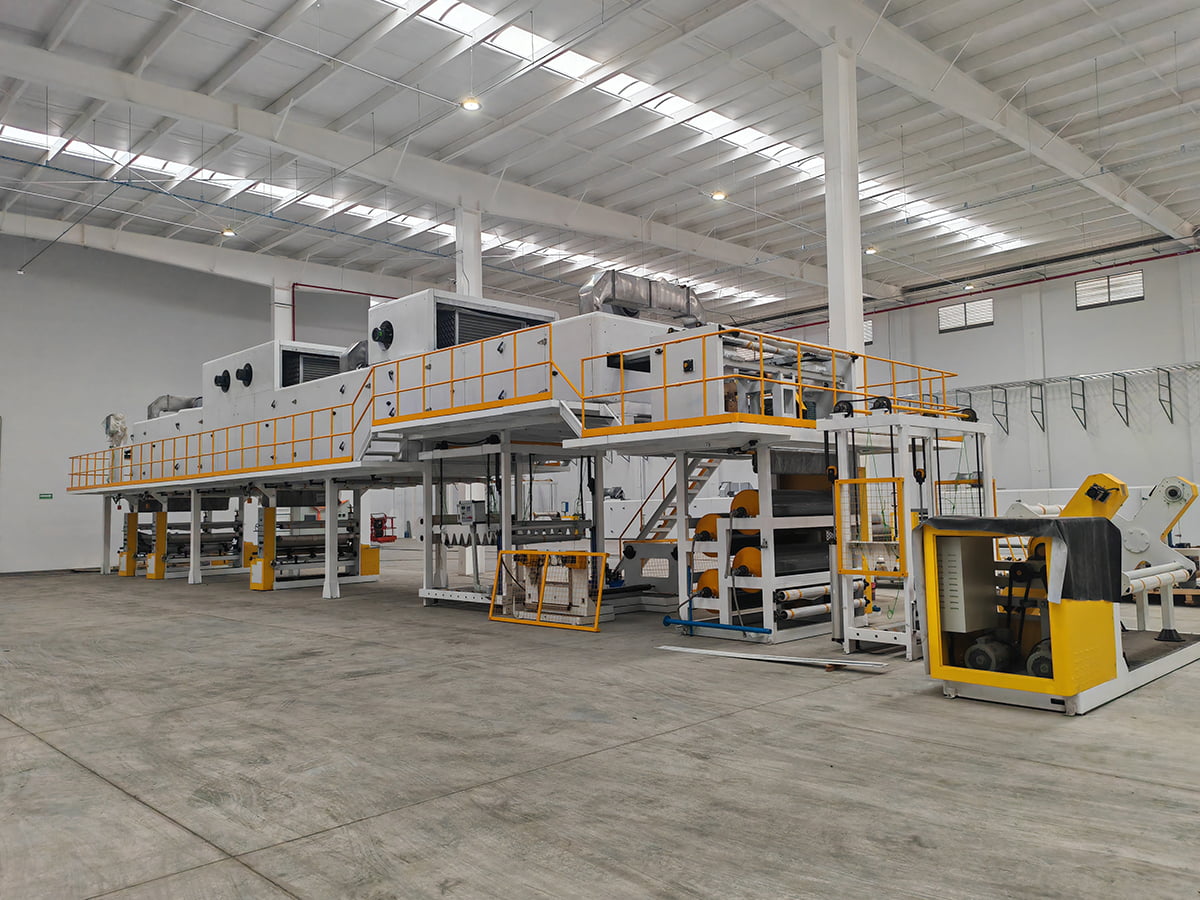
An energy efficient PVC coating machine is rarely defined by a single feature, such as a variable frequency drive on the main motor. It is defined by four things working together: an oven that puts heat into the web instead of up the stack, a coating head that holds a consistent film rather than running thick for safety, a control system that ties line speed to oven temperature and air volume, and a width and speed range that matches your real order mix.
Get those four right, and the energy used per square metre of coated material falls noticeably, with no compromise on cure, adhesion or surface quality. Get them wrong, and no amount of motor efficiency will rescue the utility bill.
Where the Energy Actually Goes on a PVC Coating Line
Before specifying hardware, it helps to know which sections dominate consumption. The ranges below are indicative for a continuous PVC coating and embossing line in normal production. They shift with formulation, web width and the number of coating passes.
| Line section | Indicative share of energy demand | Main drivers |
|---|---|---|
| Curing and gelation oven | 45 to 60 percent | Burner or heater load, air volume, insulation losses, exhaust temperature |
| Inter-pass drying and pre-heat zones | 10 to 18 percent | Number of coating passes, water or solvent load to be removed |
| Main drives, unwind and rewind | 8 to 14 percent | Line speed, tension control, motor and gearbox efficiency |
| Chillers and cooling rollers | 6 to 12 percent | Cooling load after each oven, chiller staging at part load |
| Exhaust fans, compressed air and hydraulics | 8 to 14 percent | Duct pressure drop, air leaks, pump sizing away from full load |
Two conclusions follow. First, most of the saving potential sits in the oven, its airflow and its exhaust, not in the drives. Second, an oven that is oversized for the real coating weight spends its life at low firing rates, where fuel efficiency is poor and temperature uniformity is hardest to hold.
Six Questions That Reveal a Genuinely Efficient Supplier
Answers to these questions tell you more than any brochure figure:
- How is the oven zoned, and can every zone hold its set point when the line runs at 30 percent of maximum speed?
- What exhaust temperature is the oven designed for, and what heat recovery is proposed on that stream?
- How does the control system link line speed to oven temperature and air volume, and what happens during a stop and restart?
- What film thickness tolerance is guaranteed across the full web width, and how is it measured at the factory acceptance test?
- Which drives are fitted with variable frequency control, and how are chillers and compressors staged at part load?
- Can the supplier provide a heat and mass balance for your coating weight, web width and curing window, rather than a generic data sheet?
Oven, Airflow and Heat Recovery: The Biggest Single Lever
Curing window comes first
Energy design starts with the cure, not with the burner. Plastisol formulations used for flooring, leather and laminated panels typically need the web to reach a peak temperature in the region of 180 to 210 degrees Celsius and to remain there long enough for the plasticiser to be absorbed. Your compound supplier should confirm the window. Once that window is fixed, the oven has a clear target: reach it evenly, in the shortest practical time, with the smallest air volume that still removes volatiles.
Airflow and heat recovery
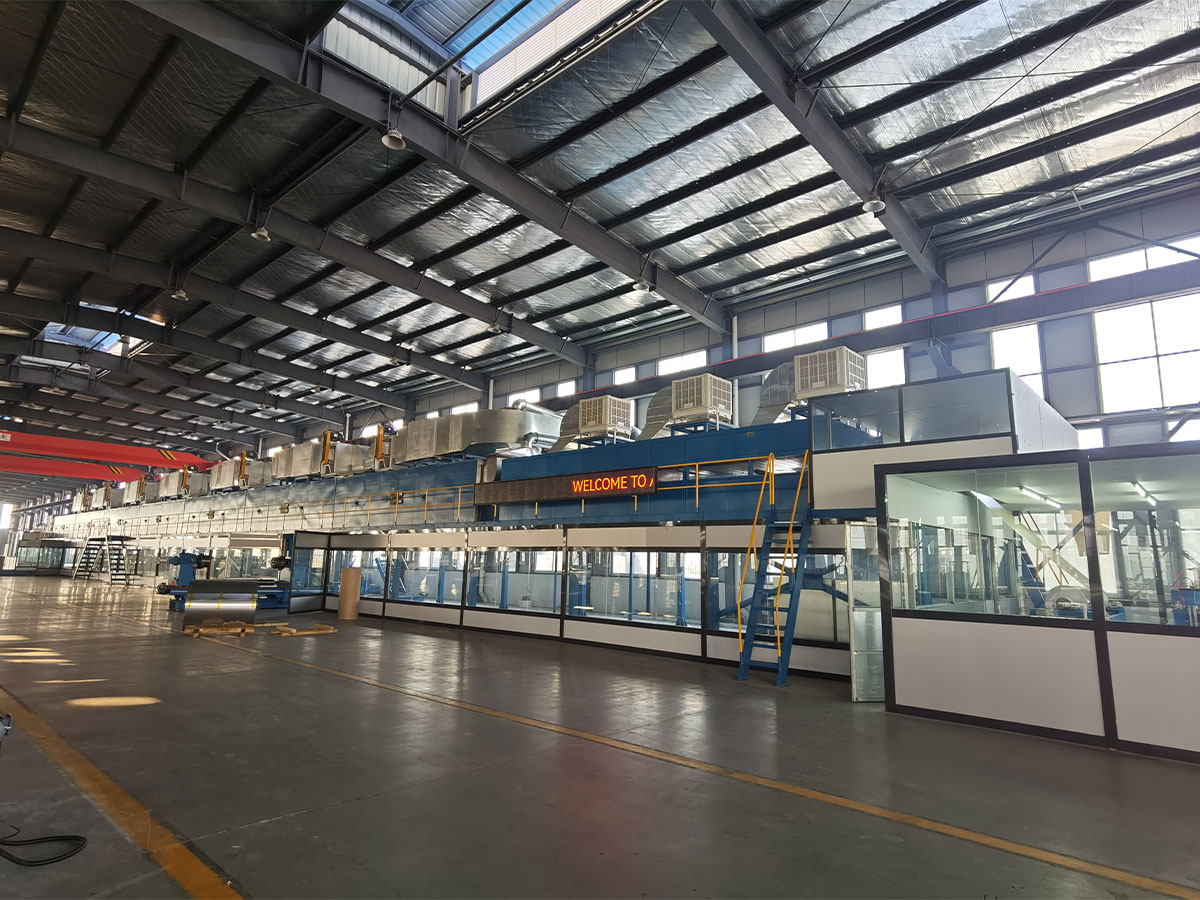
Nozzle design is where many lines lose money. Slot nozzles aimed at the web transfer heat faster than general impingement panels, which allows a lower air volume and a smaller fan. Recirculation on the early zones reduces the need to heat fresh air, while a plate or rotary exchanger on the exhaust recovers a useful share of the remaining heat, provided the exhaust stream is kept reasonably clean of plasticiser fumes. Variable speed fans tied to line speed matter as well, because fan power falls sharply once the air volume is reduced.
Substrate Choice Changes the Coating Train
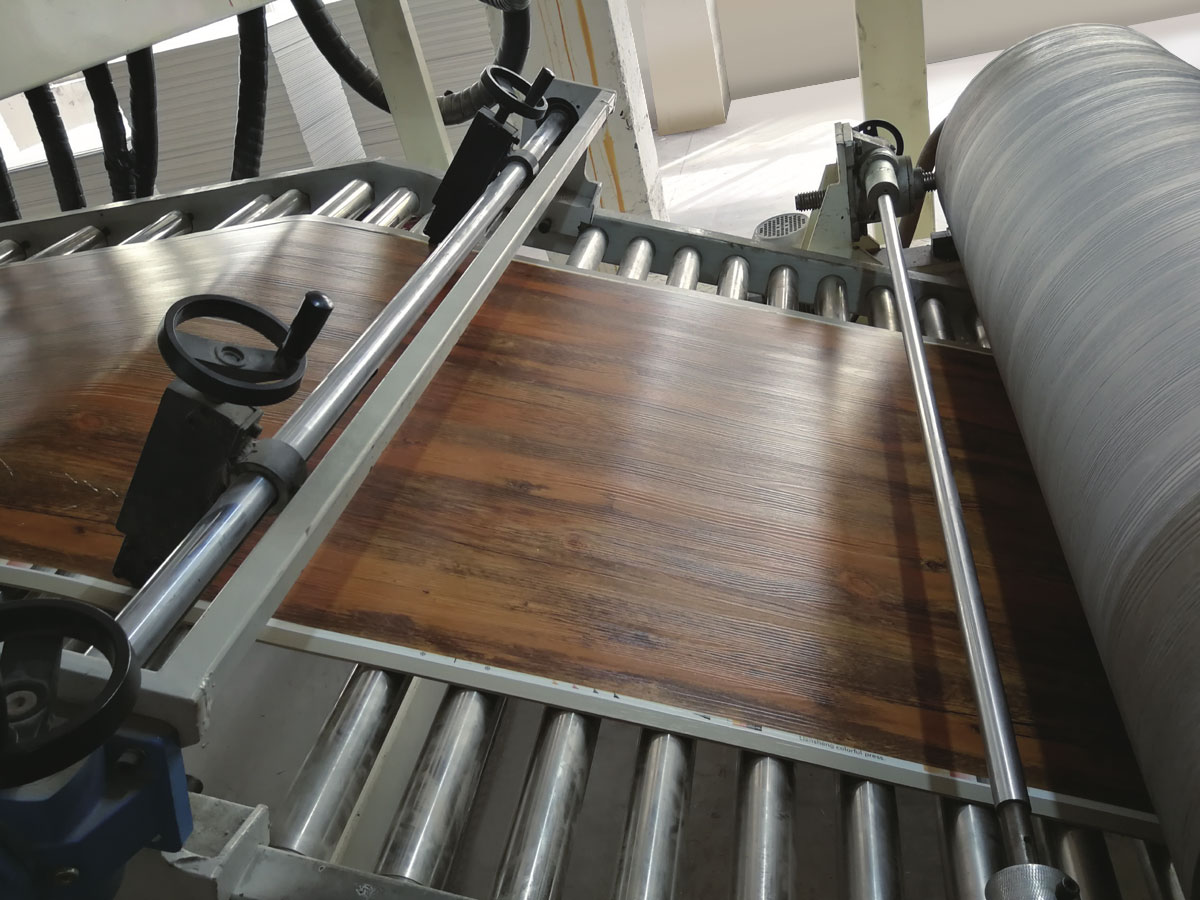
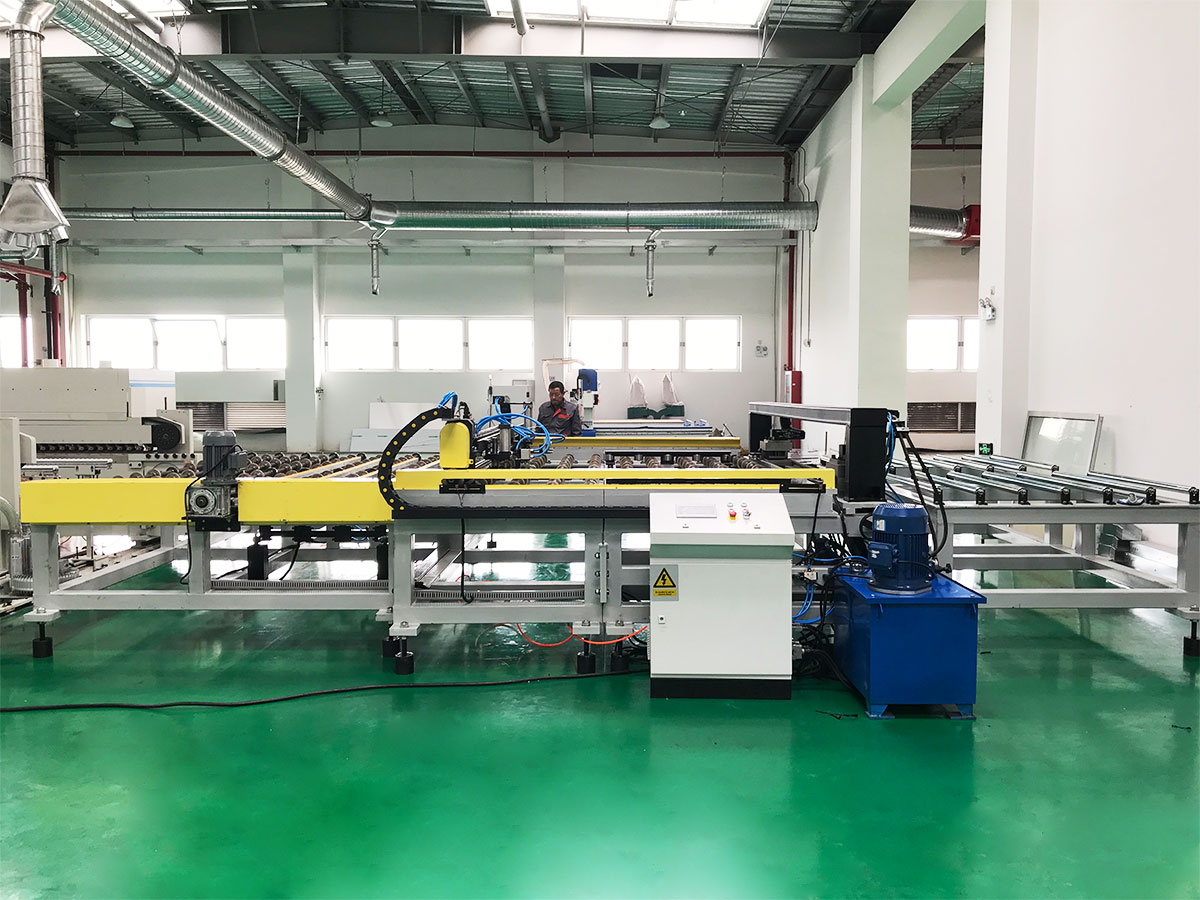
PVC coating is not one process. Coating a rigid laminate panel for flooring is a different mechanical problem from coating release paper for synthetic leather, and different again from coating a metal coil. Rigid panels need stable support, flat conveying and cooling that avoids warping, while release paper needs precise tension and clean unwinding. A supplier who offers one standard layout for all three is likely to compromise on all three.
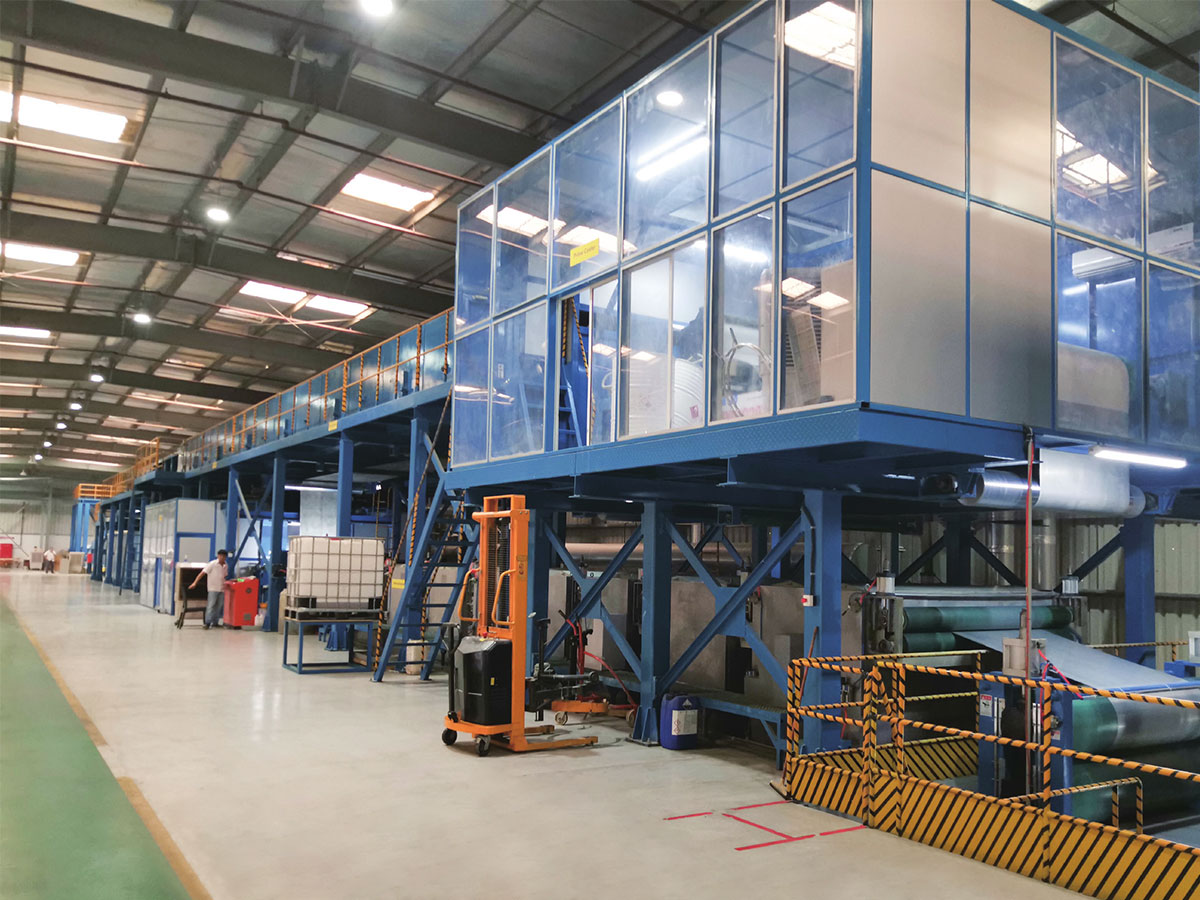
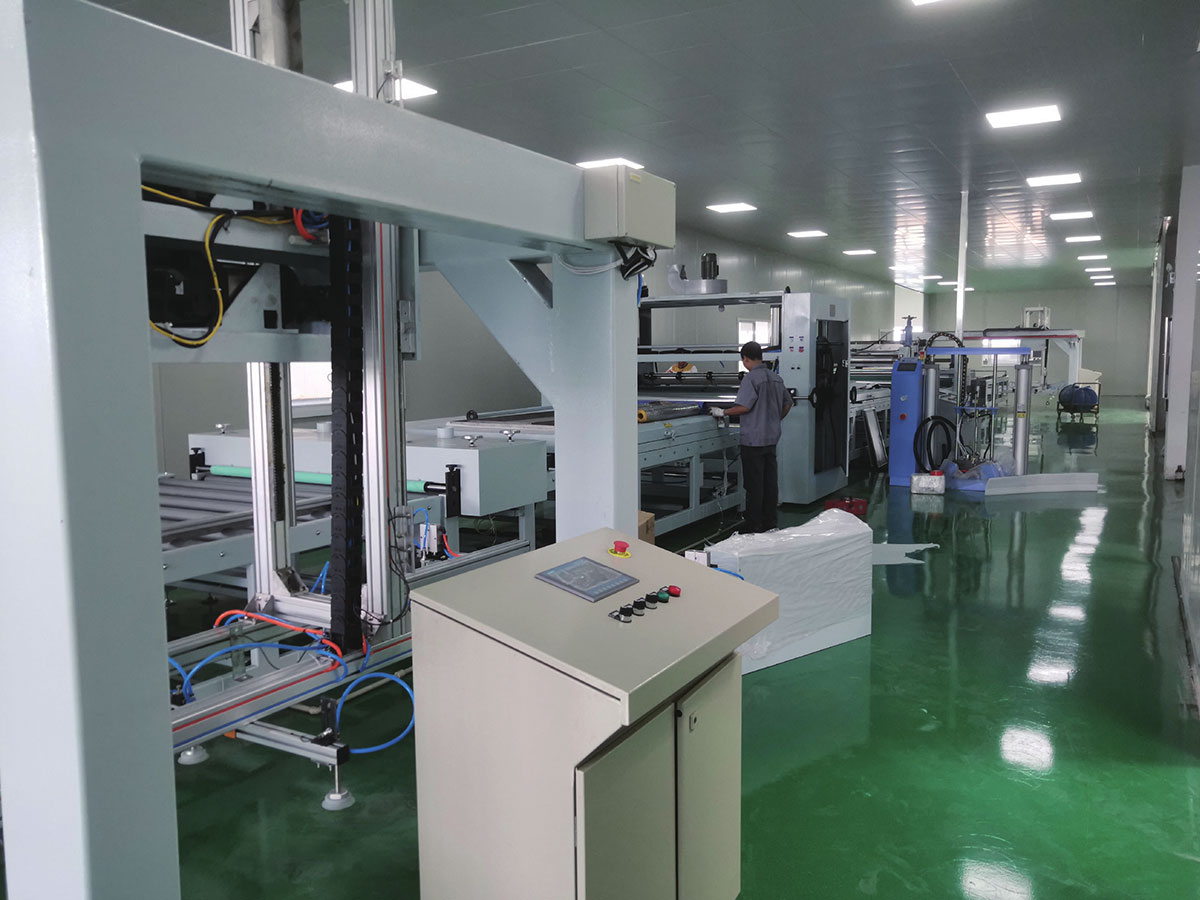
 PVC/WPC/SPC Flooring Production Line for Rigid Panel LaminationExtrudes and calenders rigid flooring panels, then films, laminates a wear layer, and embosses; positioned where stable support and cooling matter before specification.View Product →
For flooring producers the coating stage sits inside a longer sequence of mixing, calendering, lamination and profiling, which is worth understanding before the machine specification is fixed. The general structure is explained in our note on how a PVC laminate panel production line is structured. The coating and embossing section then has to match the temperature profile of each layer and the embossing roll pressure, since a mismatch there shows up as gloss variation rather than as an obvious defect.
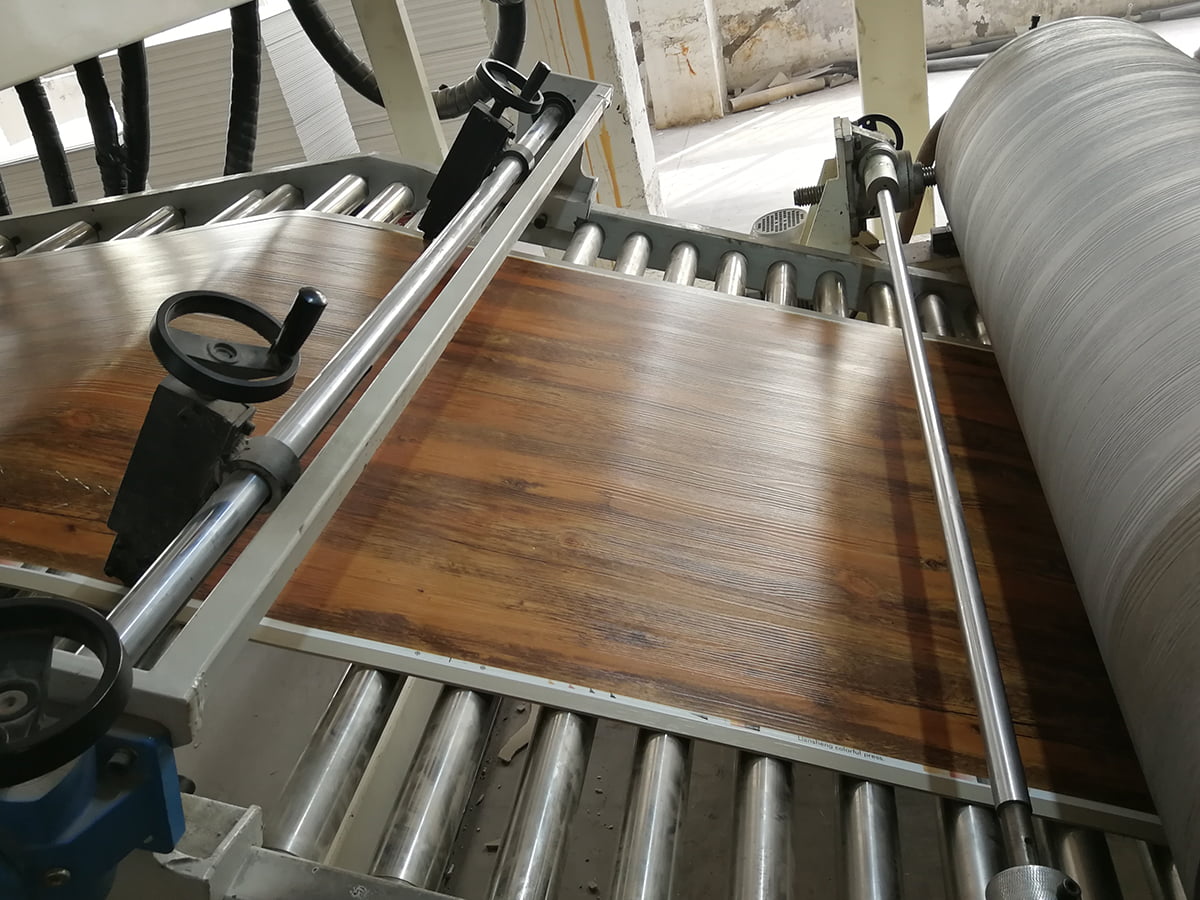
 PVC/PU Leather Composite, Embossing, and Coating LineHandles release paper, higher coat weights and deep embossing without surface marking; page supports quotation requests and lists service categories.View Product →
Leather and synthetic surface materials add a further requirement: the line must handle release paper, higher coat weights and deep embossing without marking the surface. Heat recovery is still valuable, but the first priority becomes uniformity across the width, so that grain depth does not drift from edge to centre.
Custom Widths, Coat Weights and Layouts
Most buyers do not fit a catalogue machine. Web widths between 1200 and 1600 mm, unusual coat weights, a building with limited height, an existing unwind that must be reused, or a two-pass process that has to run in one line are all normal conditions. The practical test is whether the supplier can quote a non-standard layout without turning every deviation into an engineering change order later. Ask for a general arrangement drawing at quotation stage, showing oven length, fan positions, service platforms and the space needed for roller changes.
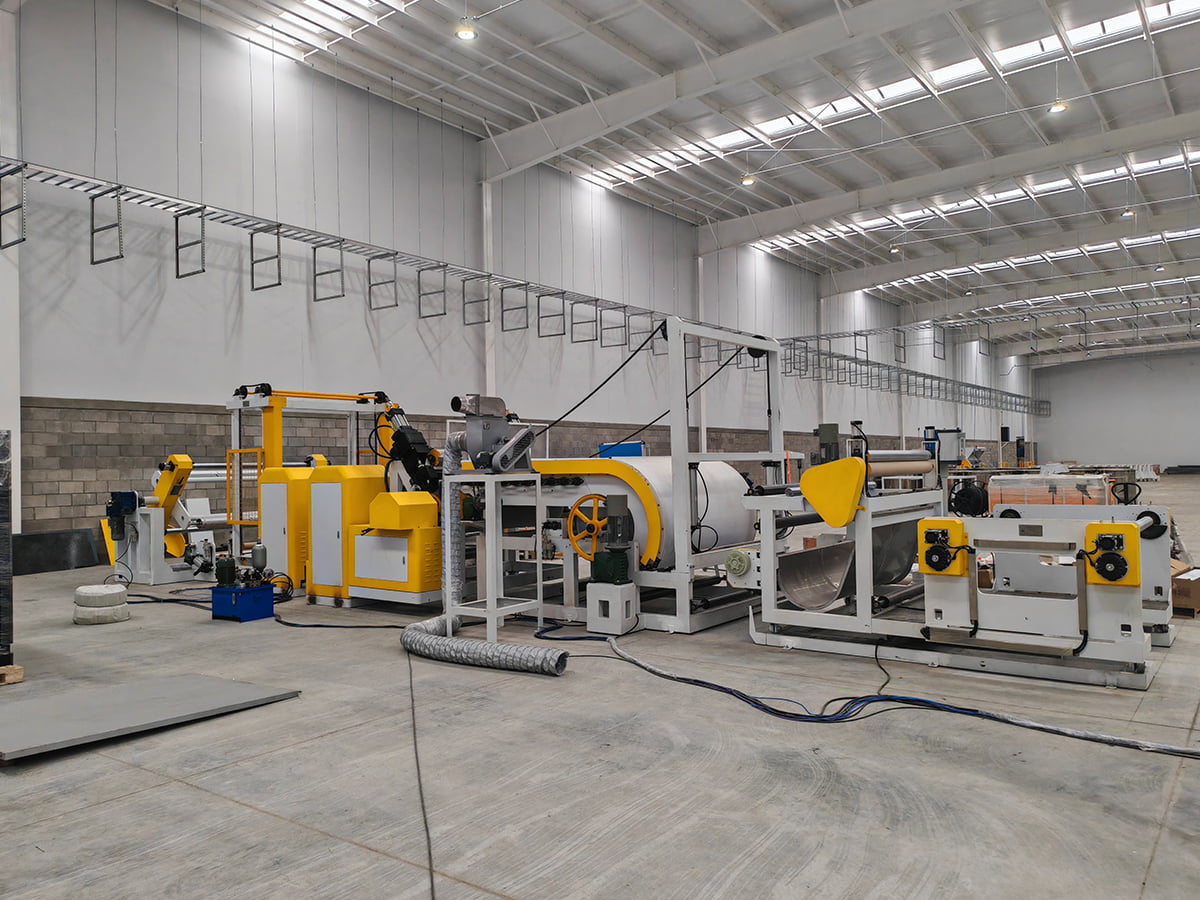
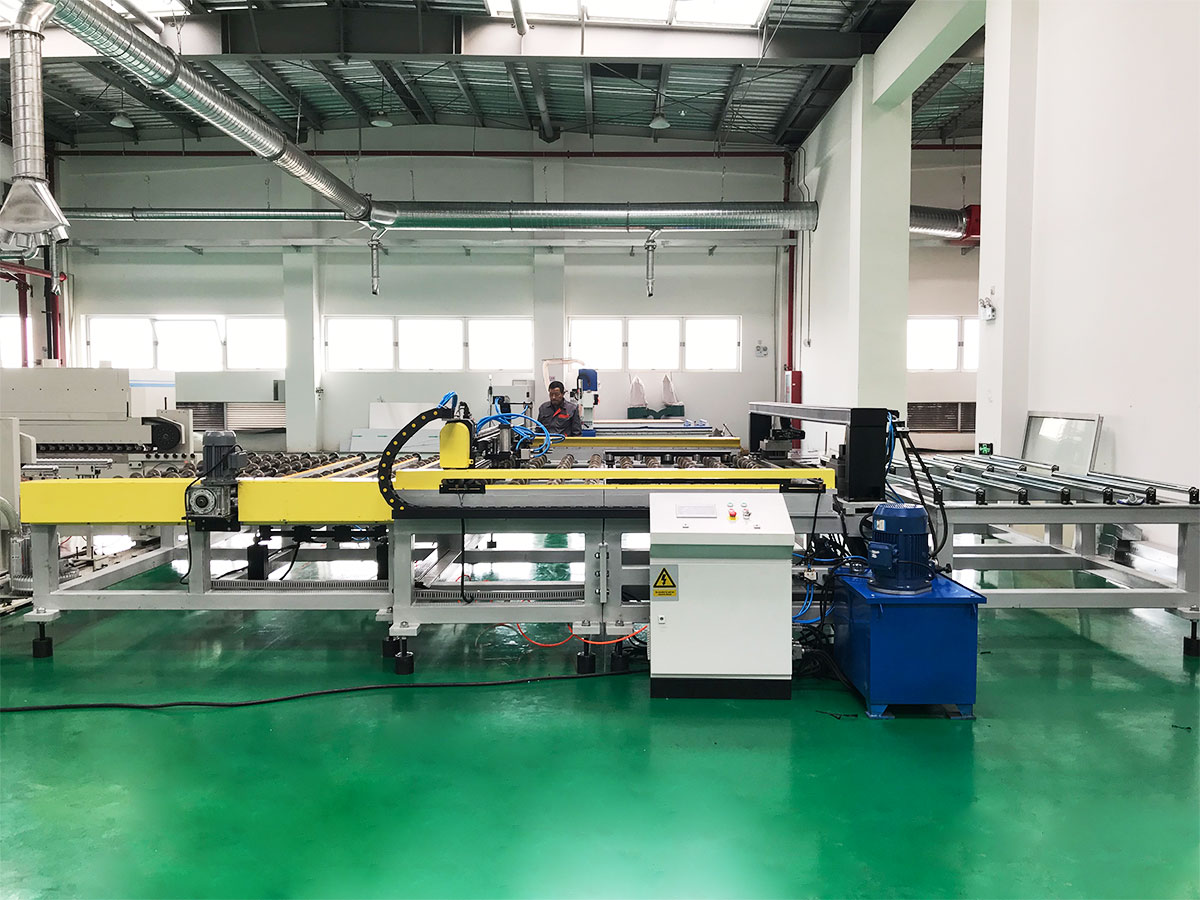 Custom-Built Equipment and Non-Standard Production LinesFor buyers needing non-standard layouts, unusual web widths or limited-height installations; page offers quotation requests for custom equipment and production lines.View Product →
How to Compare Two Quotations Without Being Misled
When two offers differ by 15 or 20 percent, the gap is usually not profit margin but scope. Put both against the same list.
| Comparison point | Lowest-price quotation | Efficiency-focused quotation |
|---|---|---|
| Oven zoning | Two zones on one set point | Four to six zones with independent control |
| Airflow control | Fixed fan speed, manual dampers | Variable speed fans linked to line speed |
| Exhaust heat | Discharged to atmosphere | Air to air recovery or selective recirculation |
| Coating thickness | Operator adjustment by feel | Closed loop measurement with automatic correction |
| Commissioning data | Mechanical run only | Heat and mass balance checked against guaranteed figures |
If a supplier cannot produce measured figures from a comparable line, treat the efficiency claim as unverified and price the risk accordingly.
Verification, Installation and Long-Term Support
Efficiency is proved at commissioning, not at the sales meeting. A serious acceptance protocol records gas or electricity consumption per tonne, web temperature at the end of each zone, film thickness across the width, and a 72-hour run at rated speed. Ask also about remote diagnostics, the spare parts list for heaters, fans, drives and rollers, and how quickly a technician can reach your plant. If you would like these points reviewed against your own product and building, get in touch with the engineering team.
Choosing an energy efficient PVC coating machine supplier comes down to evidence rather than adjectives. Compare ovens by zoning and airflow, compare coating heads by measured thickness tolerance, compare controls by how they behave at part load, and compare the two quotations line by line. A supplier who can walk through the heat balance of your product, state tolerances in numbers and show the same design running elsewhere is the one whose machine will still be economical in year five.