grammy@cjm.com.cn

 English
 русский
 Español
 عربى
عربى
Content
- 1 What is a Metal Coil Coating Line?
- 1.1 Key Process Flow of a Metal Coil Coating Line
- 1.2 Raw Material Preparation
- 1.3 Coating Process
- 1.4 Drying and Curing
- 1.5 Cooling and Coiling
- 1.6 Quality Inspection and Packaging
- 1.7 Key Technical Features of a Metal Coil Coating Line
- 1.8 Applications of a Metal Coil Coating Line
- 1.9 Construction Industry
- 1.10 Home Appliance Industry
- 1.11 Automotive Manufacturing
- 1.12 Electronics Industry
- 2 How Does a Metal Coil Coating Line Improve Coating Adhesion and Durability?
- 2.1 Key Factors for Improving Coating Adhesion
- 2.2 Metal Surface Treatment
- 2.3 Coating Material Selection and Formula Optimization
- 2.4 Precise Control of the Coating Process
- 2.5 Strengthening the Curing Process
- 2.6 Post-Coating Treatment
- 2.7 Key Factors for Improving Coating Durability
- 2.8 How to Optimize the Production Line to Enhance Coating Effect?
- 2.9 Precision Coating Equipment
- 2.10 Multi-functional Curing System
- 2.11 Online Inspection and Quality Control
- 3 How to Choose the Most Suitable Metal Coil Coating Line Equipment to Enhance Production Efficiency?
- 3.1 Key Factors to Consider When Choosing a Metal Coil Coating Line
- 3.2 Production Capacity and Equipment Matching
- 3.3 Coating Technology and Equipment Performance
- 3.4 Automation Control System
- 3.5 Energy-saving and Environmental Design
- 3.6 Equipment Maintenance and After-sales Service
- 3.7 Key Considerations When Choosing a Metal Coil Coating Line Equipment
- 3.8 How to Optimize Production Efficiency through Equipment?
- 3.9 Enhance Automation
- 3.10 Optimize Coating Process
- 3.11 Choose Efficient Drying and Curing Systems
- 3.12 Regular Maintenance and Optimization
- 4 How Does a Metal Coil Coating Line Meet the High Standards of Coating Quality in Different Industries?
- 4.1 Coating Quality Demands in Different Industries
- 4.2 Construction Industry
- 4.3 Home Appliance Industry
- 4.4 Automotive Industry
- 4.5 Electronics Industry
- 4.6 How the Metal Coil Coating Line Meets Industry Standards
- 4.7 Precise Control of Coating Processes
- 4.8 High-Performance Coating Selection
- 4.9 Optimized Curing Technology
- 4.10 Strict Quality Inspection and Control
- 4.11 Customized Production Line Configuration
- 4.12 Metal Coil Coating Line Features for Meeting Industry Requirements
- 5 How to Optimize Maintenance and Management of the Metal Coil Coating Line to Reduce Equipment Failures?
- 5.1 Key Measures for Optimizing Maintenance and Management of the Metal Coil Coating Line
- 5.2 Establish Regular Maintenance Plans
- 5.3 Monitoring Systems and Fault Warning
- 5.4 Optimize Lubrication and Cooling Systems
- 5.5 Strengthen Employee Training and Operational Standards
- 5.6 Introduce Data Analysis and Intelligent Management
- 5.7 Specific Steps for Optimizing Maintenance and Management
- 5.8 How to Improve Equipment Reliability of the Metal Coil Coating Line?
- 5.9 Regularly Update and Upgrade Equipment
- 5.10 Perform Fault Prediction and Preventive Maintenance
- 5.11 Establish Fault Reporting and Traceability Mechanisms
- 6 What Production Advantages Does the Automation Upgrade of the Metal Coil Coating Line Bring?
- 6.1 Main Production Advantages of Automation Upgrade
- 6.2 Improved Production Efficiency
- 6.3 Improved Coating Quality Consistency and Stability
- 6.4 Reduced Production Costs
- 6.5 Enhanced Production Flexibility and Adjustability
- 6.6 Improved Safety and Reduced Workplace Accidents
- 6.7 Core Technologies of the Metal Coil Coating Line Automation Upgrade
- 6.8 Production Efficiency Improvements from Automation Upgrade
- 6.9 Optimizing Coating Processes
- 6.10 Energy Saving and Consumption Reduction
- 6.11 Intelligent Quality Inspection and Automatic Adjustment
- 6.12 Reduced Equipment Failures and Downtime
What is a Metal Coil Coating Line?
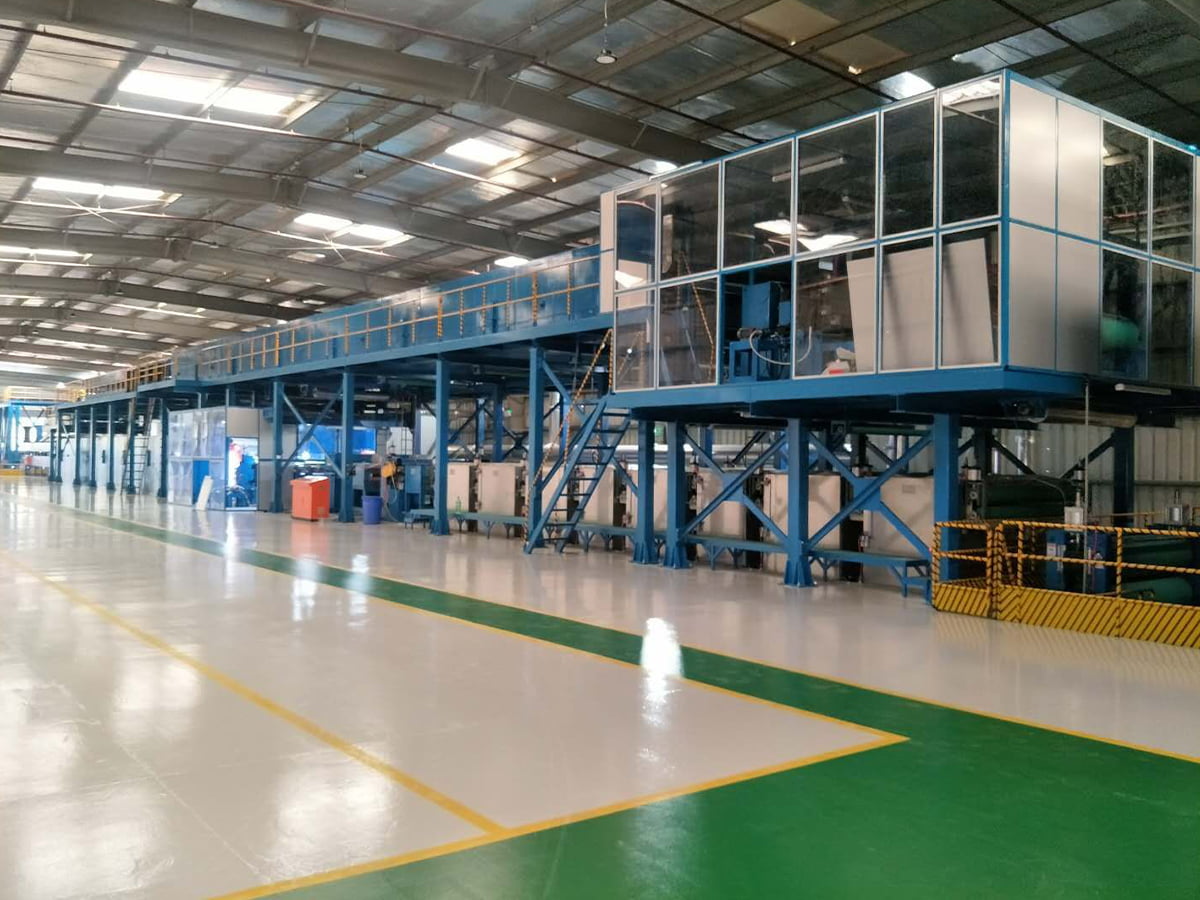
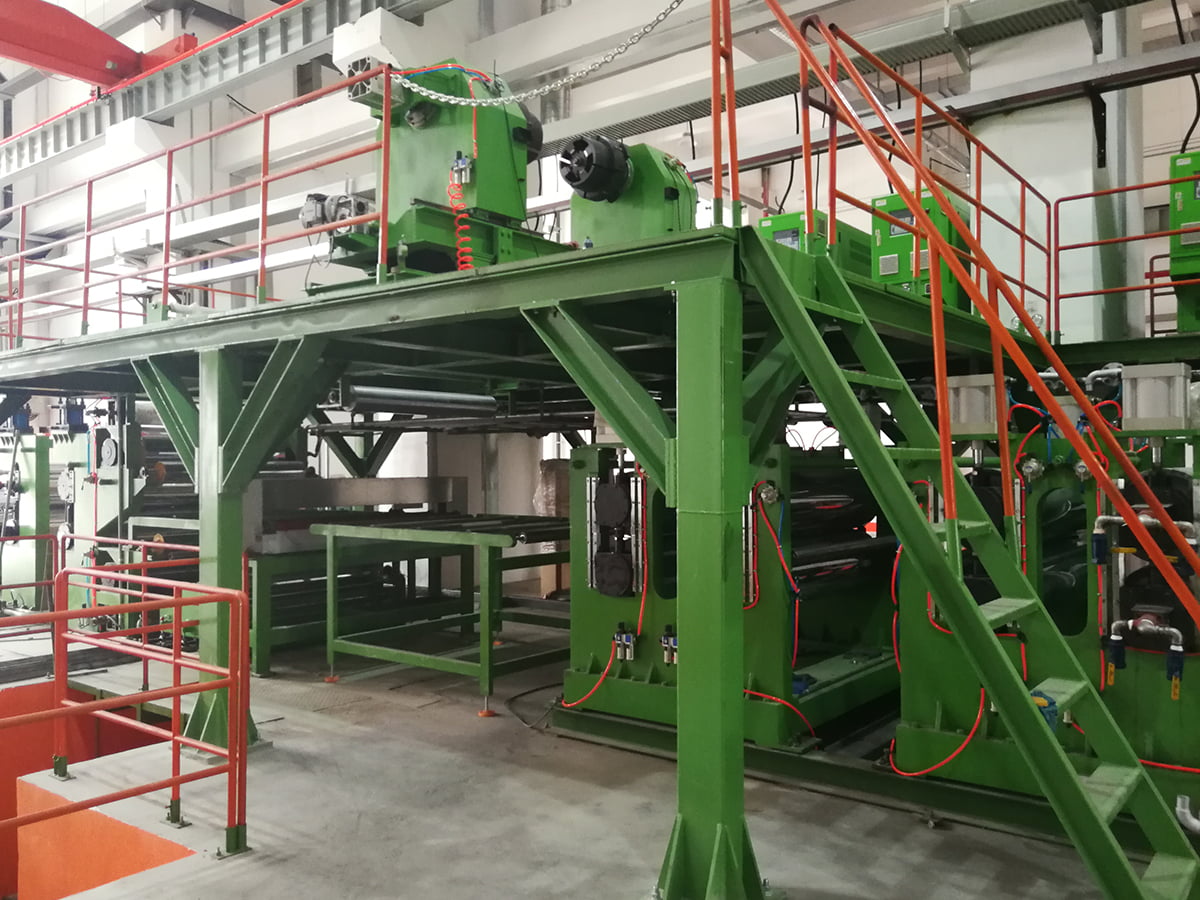
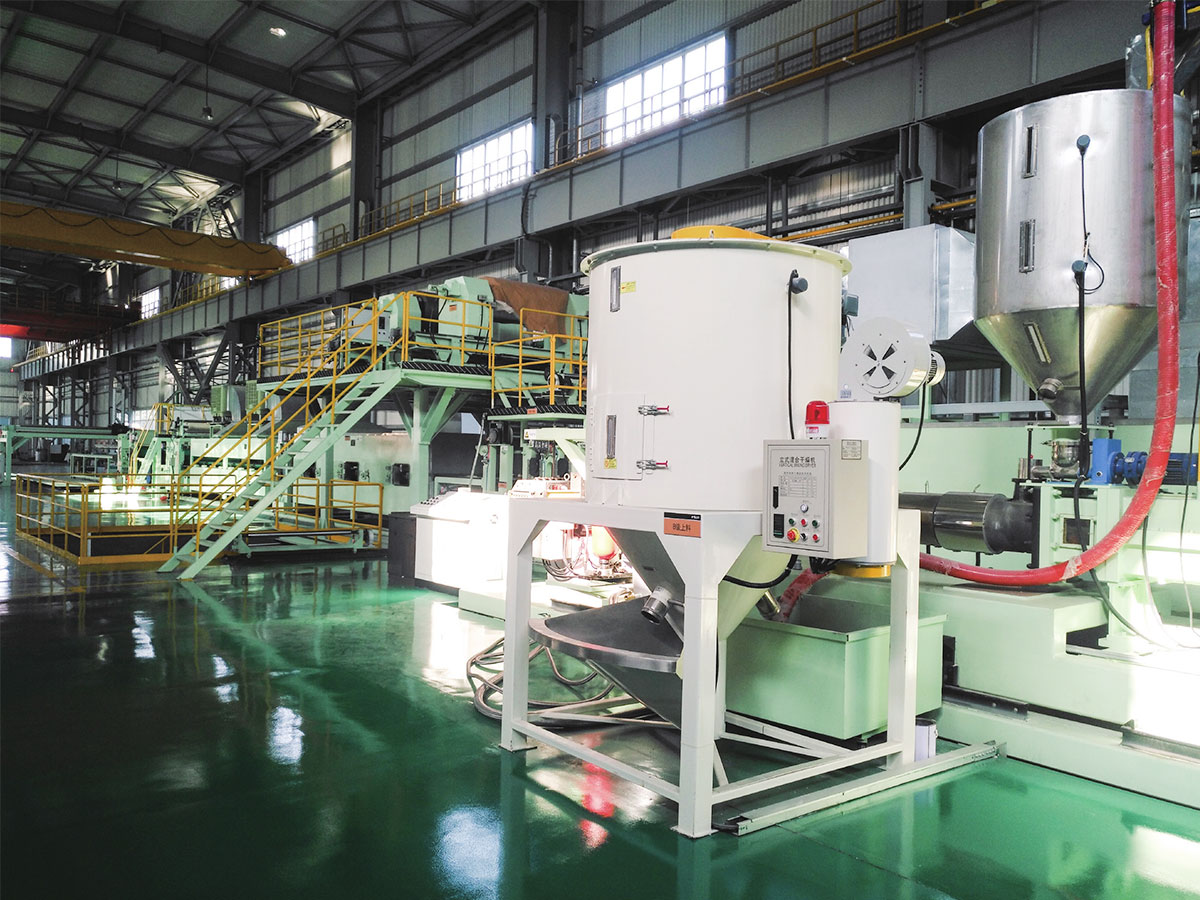
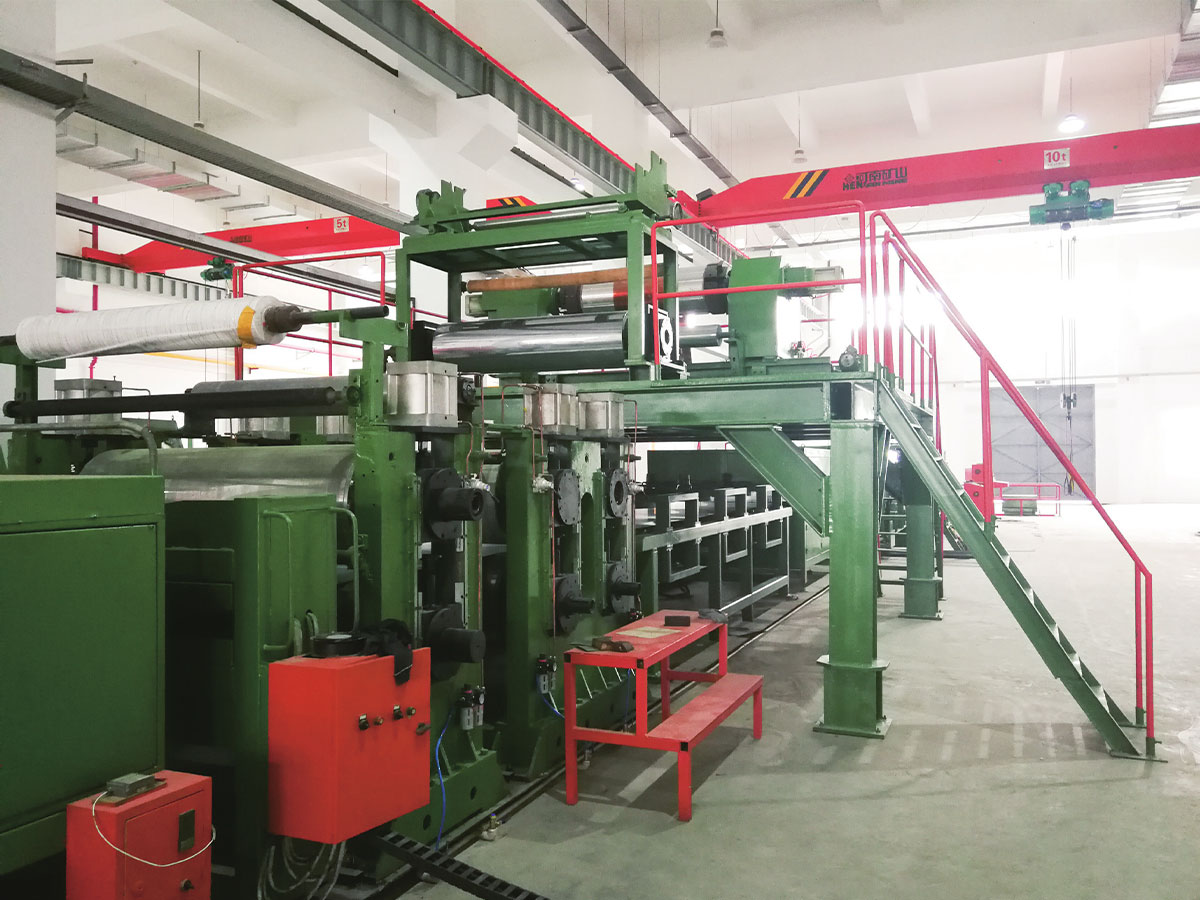
A Metal Coil Coating Line is a piece of equipment used to apply protective or decorative coatings to metal coils (such as steel, aluminum, galvanized sheets, etc.). These coatings typically include materials such as polyester, fluorocarbon, and acrylic, aimed at improving the metal coil's corrosion resistance, UV resistance, wear resistance, and aesthetic appeal. Metal Coil Coating Lines are widely used in industries such as construction, home appliances, and automotive, producing high-quality coated metal sheets through precise coating techniques and drying/curing processes.
Key Process Flow of a Metal Coil Coating Line
Raw Material Preparation
The first step in the Metal Coil Coating Line is to clean the metal coil to remove surface oil, rust, and other impurities. Typically, a combination of chemical cleaning and mechanical cleaning is used to ensure that the metal surface adheres better to the coating.
Coating Process
During the coating process, various techniques such as spray coating, roller coating, and immersion coating are employed to evenly apply the coating material to the metal coil's surface. Coating equipment is usually equipped with precision automation control systems to ensure uniform coating thickness and stable coating quality.
Drying and Curing
The coated metal coil then undergoes a drying and curing process to ensure that the coating is completely dry and firmly adhered. Techniques such as hot air circulation, infrared drying, or ultraviolet curing are used to achieve the desired hardness, gloss, and durability of the coating.
Cooling and Coiling
After curing, the metal coil is cooled to ambient temperature and then rolled into coils for easy transportation and further processing.
Quality Inspection and Packaging
After the coating process is completed, the production line is equipped with online inspection systems that monitor coating thickness, gloss, adhesion, and other indicators in real-time. Qualified metal coils are then cut, packaged, and prepared for shipment.
Key Technical Features of a Metal Coil Coating Line
| Technical Feature | Description | Advantages |
| Automation Control System | Precise control of coating thickness, speed, and temperature | Increases production efficiency, ensures stable coating quality |
| Efficient Coating Equipment | Spray, roller, immersion coating techniques | Meets different coating thickness and surface finish requirements |
| Drying and Curing Technology | Hot air, infrared, ultraviolet drying and curing methods | Ensures uniform drying, enhances adhesion strength |
| Online Inspection System | Real-time monitoring of coating thickness, flatness, gloss | Improves product quality rate, reduces rework |
| Environmental Design | Coating recovery system, reduces volatile organic compounds (VOC) | Reduces production costs, meets environmental requirements |
Applications of a Metal Coil Coating Line
Construction Industry
Used to produce exterior wall panels, roofing materials, and other metal decorative panels, offering excellent corrosion resistance and aesthetics.
Home Appliance Industry
Coated metal sheets are widely used in the shells of appliances such as refrigerators, air conditioners, and washing machines.
Automotive Manufacturing
Used for the anti-corrosion coating treatment of automotive parts, enhancing the appearance and durability of automobiles.
Electronics Industry
Provides coating protection for electronic device enclosures, offering resistance to electromagnetic interference and wear.
A Metal Coil Coating Line is a key piece of equipment for surface treatment of metal coils. Through advanced coating, drying/curing, and online inspection technologies, it produces high-quality coated metal sheets, widely used in construction, home appliances, automotive, and other industries. Choosing a high-performance Metal Coil Coating Line can improve production efficiency, reduce costs, and enhance product quality, boosting a company’s market competitiveness.
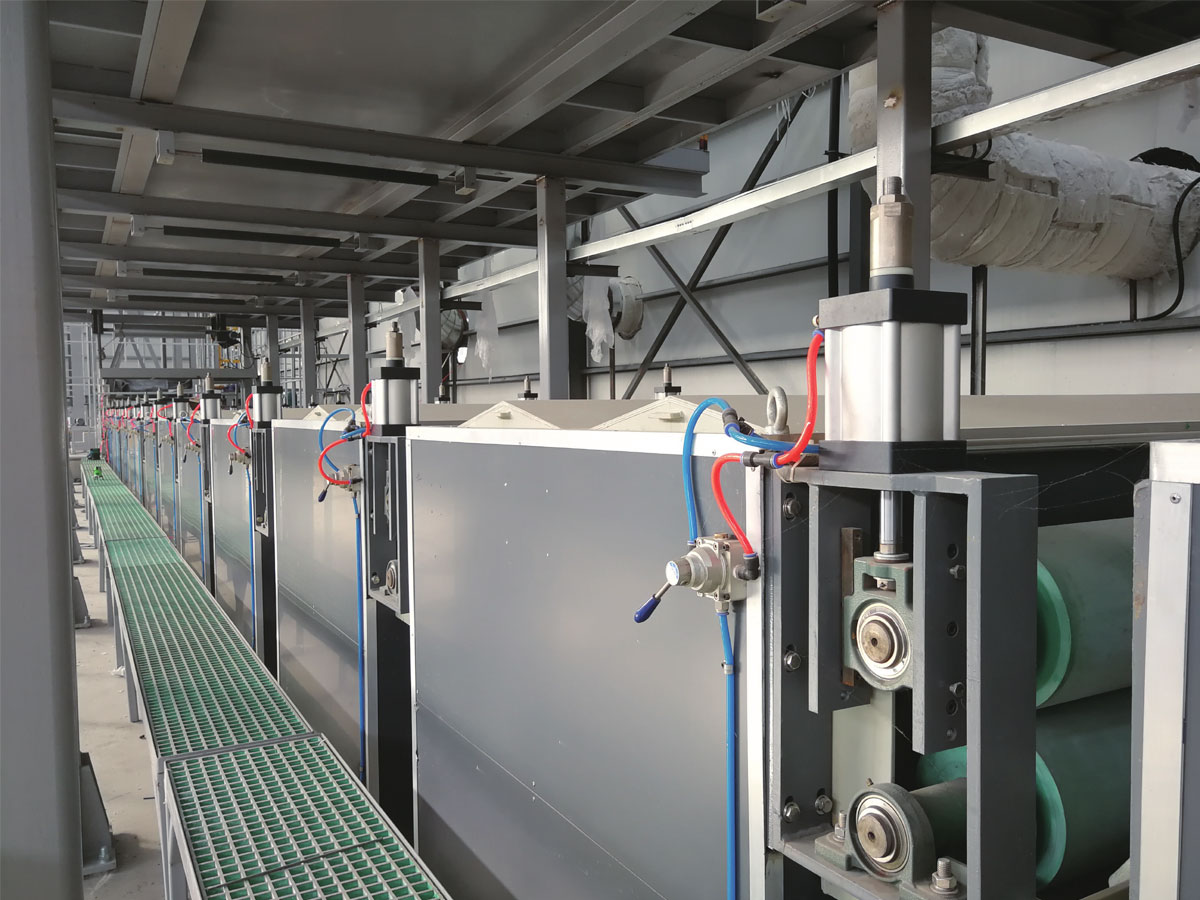
How Does a Metal Coil Coating Line Improve Coating Adhesion and Durability?
One of the core goals of a Metal Coil Coating Line is to ensure strong adhesion between the coating and the metal substrate, while also achieving exceptional durability. By optimizing the coating process, improving equipment precision, selecting appropriate coating materials, and enhancing curing techniques, the adhesion and durability of the coating can be significantly improved, thus enhancing the service life and corrosion resistance of the metal coil. When selecting and optimizing the production line, enterprises need to focus on the following aspects to ensure the coating effect meets high-quality standards.
Key Factors for Improving Coating Adhesion
Metal Surface Treatment
Proper surface treatment is the primary step to improving coating adhesion. The metal coil surface is typically cleaned, degreased, and roughened to remove impurities and enhance the bonding strength of the coating. Common techniques like chemical cleaning and mechanical sanding remove oil and oxidation layers, providing a better foundation for adhesion.
Coating Material Selection and Formula Optimization
The choice of coating material directly impacts adhesion and durability. Using high-quality coating materials such as fluorocarbon and polyester provides stronger adhesion. The formula of the coating needs to be optimized to ensure the formation of a tightly cross-linked structure during curing, which enhances both adhesion and corrosion resistance.
Precise Control of the Coating Process
The Metal Coil Coating Line is equipped with advanced coating equipment that allows for precise control over the coating’s thickness and uniformity. By adjusting the coating speed, pressure, and material quantity, the coating is evenly distributed on the metal surface, avoiding areas where adhesion may be weak, thus ensuring long-term stability.
Strengthening the Curing Process
The curing process plays a critical role in ensuring coating adhesion and durability. By selecting appropriate drying and curing techniques, such as hot air, infrared, or ultraviolet curing, the coating's hardness and adhesion can be effectively enhanced, preventing the coating from peeling or detaching during use.
Post-Coating Treatment
Post-coating treatments such as surface polishing or heating and curing can further enhance the coating’s adhesion and durability. These treatments improve the physical properties of the coating, increasing its wear resistance and UV protection.
Key Factors for Improving Coating Durability
| Technical Aspect | Optimization Measures | Impact on Coating Durability |
| Metal Surface Treatment | Cleaning, degreasing, roughening | Enhances adhesion to the substrate, preventing peeling |
| Coating Selection and Formula | Use of corrosion-resistant coatings like fluorocarbon, polyester | Improves weather resistance and UV resistance |
| Coating Process Optimization | Precise control of coating thickness and uniformity | Ensures uniform coating, extending service life |
| Curing Technology | Use of efficient drying, ultraviolet curing technologies | Increases hardness, scratch resistance, and chemical resistance |
| Post-Treatment Technology | Surface polishing and heating curing | Enhances wear resistance and pollution resistance |
How to Optimize the Production Line to Enhance Coating Effect?
Precision Coating Equipment
Modern Metal Coil Coating Lines are equipped with precision coating equipment that ensures uniformity and stability in the coating. Through high-precision coating technology, coating thickness inconsistencies are avoided, further enhancing adhesion and durability.
Multi-functional Curing System
The use of advanced curing systems, such as infrared and ultraviolet curing, not only improves the drying speed of the coating but also effectively enhances its hardness and weather resistance, extending its service life.
Online Inspection and Quality Control
The production line is equipped with an online inspection system that monitors key parameters such as coating thickness, uniformity, and adhesion in real-time. By adjusting production processes promptly, coating defects and quality issues can be minimized.
By optimizing the coating process, selecting high-performance coatings, precisely controlling the curing process, and strengthening post-treatment technologies, the Metal Coil Coating Line can effectively improve the adhesion and durability of coatings. These technologies not only significantly enhance the quality of coated metal sheets but also improve their performance in various harsh environments, making them widely applicable in construction, home appliances, automotive, and other industries. High-quality coated products will give enterprises a stronger market competitiveness and longer product life.
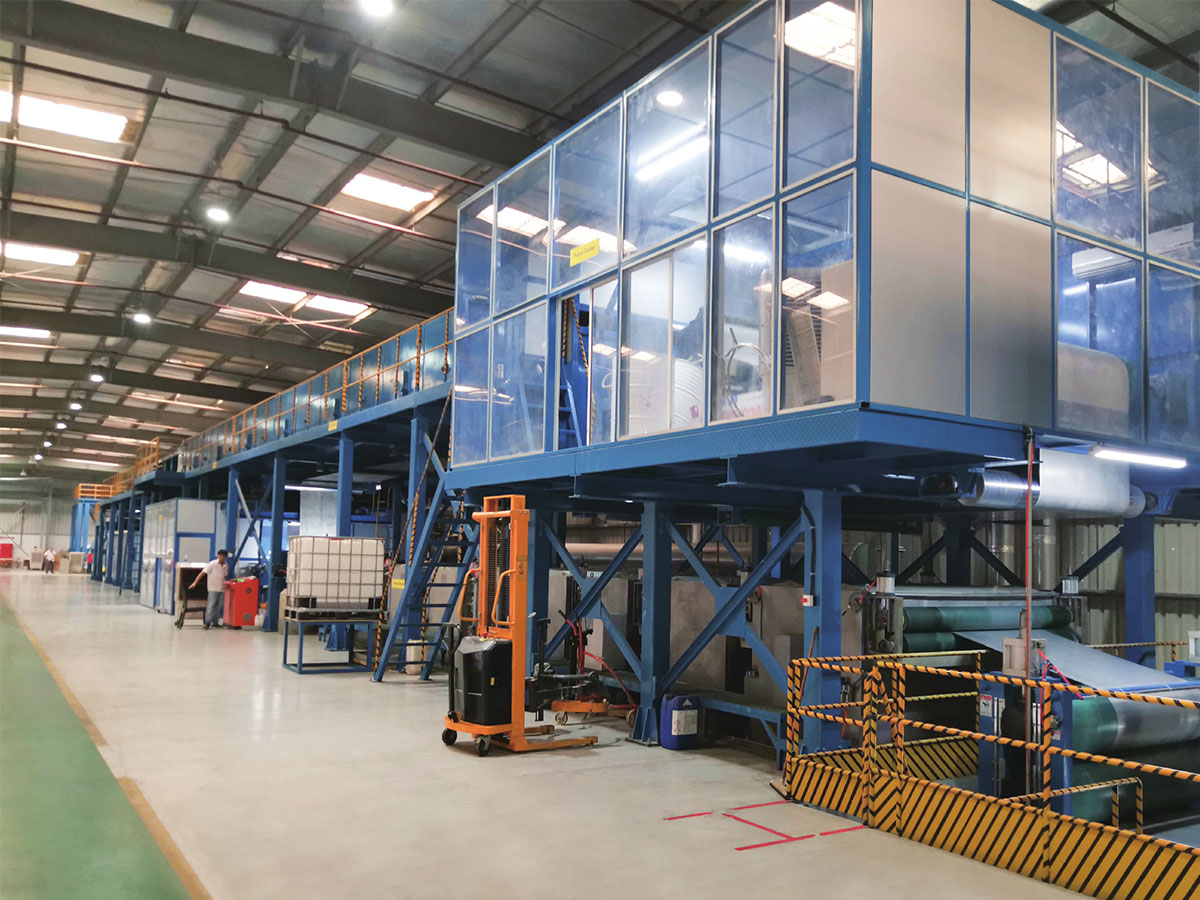
How to Choose the Most Suitable Metal Coil Coating Line Equipment to Enhance Production Efficiency?
In the metal processing industry, a Metal Coil Coating Line is crucial for enhancing the performance and appearance of metal coils. Choosing the right coating production line equipment is essential for improving production efficiency, reducing costs, and ensuring stable product quality. When selecting coating production lines, enterprises need to consider various technical and economic factors, optimize production processes, and enhance overall efficiency.
Key Factors to Consider When Choosing a Metal Coil Coating Line
Production Capacity and Equipment Matching
It is crucial to choose a Metal Coil Coating Line with a production capacity that matches the enterprise's daily production needs and future output forecasts. A production capacity that is too low will fail to meet market demand, while a capacity that is too high may waste equipment resources. Properly matching the production line's capacity can effectively enhance production efficiency.
Coating Technology and Equipment Performance
Coating technology is at the core of the Metal Coil Coating Line. Choose equipment with precise coating control technology, such as efficient roller, spray, or immersion coating systems, to ensure coating uniformity and adhesion. This reduces material waste and guarantees coating quality, enhancing overall production efficiency and quality.
Automation Control System
Modern Metal Coil Coating Lines typically come equipped with PLC automation control systems that allow precise control of coating thickness, speed, temperature, and other key parameters. This not only increases automation in the production process but also enables real-time monitoring of production status, adjusting process parameters promptly to improve production efficiency and product consistency.
Energy-saving and Environmental Design
With stricter environmental regulations, choosing a Metal Coil Coating Line that incorporates energy-saving and environmentally friendly designs is particularly important. High-quality equipment features exhaust treatment systems, coating recovery devices, and efficient heating and drying systems that reduce energy consumption and environmental pollution, thus lowering production costs and meeting sustainable development goals.
Equipment Maintenance and After-sales Service
When selecting a coating production line, enterprises should consider the after-sales service and maintenance support provided by the equipment manufacturer. Good after-sales service ensures long-term stable operation of the equipment, minimizing downtime caused by equipment failures and improving the availability and reliability of the production line.
Key Considerations When Choosing a Metal Coil Coating Line Equipment
| Key Consideration | Critical Focus | Advantages |
| Production Capacity Matching | Assess capacity requirements, avoid over or under configuration | Improve equipment utilization, avoid resource waste |
| Coating Technology and Equipment Performance | Choose advanced coating technologies and equipment | Enhance coating uniformity and adhesion, reduce material waste |
| Automation Control System | Equip with PLC systems, precisely control the coating process | Improve production efficiency and product consistency |
| Energy-saving and Environmental Design | Equip with exhaust treatment, energy-efficient heating systems | Lower energy consumption, meet environmental requirements |
| After-sales Service and Maintenance Support | Evaluate supplier’s after-sales service ability | Enhance equipment operational stability, reduce downtime |
How to Optimize Production Efficiency through Equipment?
Enhance Automation
By using efficient automation control systems, manual operations are reduced, and production efficiency is increased. Automation also enables real-time monitoring of production data, adjusting parameters automatically to ensure consistent coating quality and reducing production fluctuations caused by human error.
Optimize Coating Process
Choosing equipment with advanced coating technology, such as precise control of coating thickness, reduces material waste and improves coating uniformity and adhesion, which in turn enhances product quality and production efficiency.
Choose Efficient Drying and Curing Systems
High-efficiency drying and curing systems (such as infrared, hot air, and ultraviolet curing) shorten drying times, increase production speed, and ensure the coating’s hardness and durability. A good curing process prevents coating deformation or detachment, boosting product competitiveness.
Regular Maintenance and Optimization
Regular inspections and maintenance of equipment, timely replacement of aging or damaged components, and monitoring of equipment performance through data analysis help reduce downtime and ensure continuous production.
By selecting high-efficiency and stable Metal Coil Coating Line equipment, enterprises can enhance production efficiency, coating quality, and product market competitiveness while lowering production costs. Optimizing equipment configuration and maintenance management significantly improves production efficiency and lays a solid foundation for the enterprise’s long-term development.
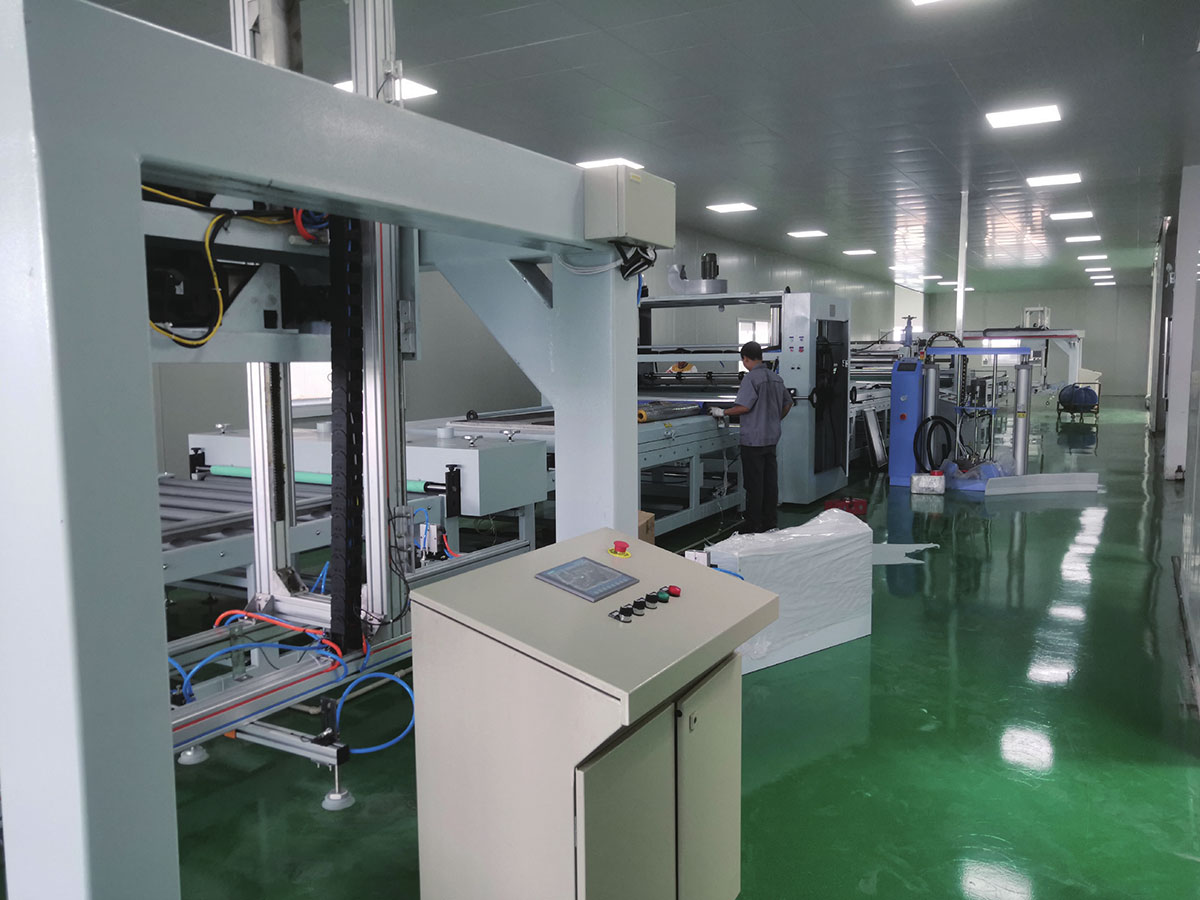
How Does a Metal Coil Coating Line Meet the High Standards of Coating Quality in Different Industries?
The Metal Coil Coating Line is a key piece of equipment for metal surface treatment, widely used in industries such as construction, home appliances, and automotive. In these industries, the quality of the coating directly affects the durability, appearance, and performance of the products. Therefore, optimizing the Metal Coil Coating Line to meet the high standards of coating quality across different industries has become an important way for companies to enhance their product competitiveness. Through precise control of coating processes, selection of coatings, curing technologies, and online inspection systems, the Metal Coil Coating Line can meet the strict coating quality requirements of various industries while ensuring efficient production.
Coating Quality Demands in Different Industries
Construction Industry
The construction industry requires coatings with corrosion resistance, UV resistance, and long-term stability. Especially for exterior wall panels and roofing materials, coatings need to withstand wind, rain, extreme weather, and chemical corrosion. Therefore, the construction industry has very high requirements for coating thickness uniformity and adhesion.
Home Appliance Industry
The home appliance industry emphasizes the coating's wear resistance, oxidation resistance, and aesthetic appeal. Coatings must endure long-term use, resist the impact of environmental changes on home appliances, and maintain high gloss and color stability.
Automotive Industry
The automotive industry has more stringent requirements for coatings. Not only must coatings offer strong corrosion resistance, but they must also possess high hardness, scratch resistance, and high-temperature resistance. Additionally, exterior coatings of vehicles need to have good gloss and color durability to ensure the vehicle's appearance remains new over time.
Electronics Industry
In the electronics industry, metal coil coatings are required not only to be aesthetically pleasing but also to offer electromagnetic interference (EMI) resistance, waterproofing, and scratch resistance. The coating must exhibit good adhesion and stability, ensuring it does not peel off or fade during long-term use.
How the Metal Coil Coating Line Meets Industry Standards
Precise Control of Coating Processes
The Metal Coil Coating Line is equipped with advanced coating technologies such as roller coating, spray coating, and immersion coating, allowing precise control of coating thickness, uniformity, and adhesion depending on the coating requirements. This ensures that every metal substrate receives an even and firmly adhered coating that meets the strict quality standards of different industries.
High-Performance Coating Selection
To meet the needs of different industries, various types of coatings can be selected for the Metal Coil Coating Line. For example, the construction industry often uses fluorocarbon or polyester coatings with excellent weather resistance; the home appliance industry uses coatings with high gloss and scratch resistance; the automotive industry uses high-hardness coatings to ensure stability in high-temperature and high-friction environments.
Optimized Curing Technology
The curing systems of Metal Coil Coating Lines use technologies such as hot air, infrared, and ultraviolet curing to ensure that the coating dries evenly and forms a high-strength film after application. Different industries require different curing methods. For example, high-hardness coatings in the automotive industry typically require longer high-temperature curing, while the home appliance industry focuses more on fast drying and gloss.
Strict Quality Inspection and Control
To ensure stable coating quality, the Metal Coil Coating Line is equipped with advanced online inspection systems. These systems can monitor key parameters such as coating thickness, adhesion, and gloss in real time, ensuring that each batch of coated products meets industry standards and preventing defective products from being shipped.
Customized Production Line Configuration
Based on different application needs, companies can choose various production line configurations. Efficient automation control systems allow real-time adjustments to meet specific coating requirements, optimizing the production process, improving efficiency, and ensuring that different types of metal coils meet customer-specific requirements.
Metal Coil Coating Line Features for Meeting Industry Requirements
| Industry | Key Requirements | Production Line Optimization Measures |
| Construction | Corrosion resistance, UV resistance, long-term stability | Use weather-resistant fluorocarbon coatings, precisely control coating thickness and adhesion |
| Home Appliances | Wear resistance, oxidation resistance, aesthetics | Use high-gloss coatings, optimize coating and curing processes |
| Automotive | Corrosion resistance, high temperature, scratch resistance | Choose high-hardness coatings, use high-temperature curing technology to ensure coating hardness |
| Electronics | Good adhesion, EMI resistance, waterproofing | Precisely control coating uniformity and hardness, use eco-friendly coatings |
The Metal Coil Coating Line, through advanced coating technologies, high-quality coating selection, precise curing techniques, and strict quality control, meets the high standards of coating quality in the construction, home appliance, automotive, and electronics industries. By offering customized production line configurations and intelligent management, companies can enhance production efficiency, ensure stable coating quality, and cater to the diverse needs of industry clients, thus boosting market competitiveness.
How to Optimize Maintenance and Management of the Metal Coil Coating Line to Reduce Equipment Failures?
As high-precision production equipment, the stable operation of the Metal Coil Coating Line is crucial to the efficiency and quality of a company's production. To reduce equipment failures and extend the service life of the production line, companies need to optimize the maintenance and management of the coating line. Through scientific maintenance schedules, regular inspections, fault prediction, and intelligent management, equipment operation stability can be significantly improved, reducing unnecessary downtime and enhancing overall production efficiency.
Key Measures for Optimizing Maintenance and Management of the Metal Coil Coating Line
Establish Regular Maintenance Plans
The equipment of the Metal Coil Coating Line needs to undergo daily, weekly, monthly, and annual major maintenance inspections. Daily maintenance includes cleaning equipment, checking lubrication systems, and clearing residual coating materials to ensure the equipment operates in normal working condition. Regular inspections involve checking and replacing key parts such as coating rollers, heating systems, and cooling equipment to prevent faults.
Monitoring Systems and Fault Warning
With the advancement of automation technologies, modern Metal Coil Coating Lines are equipped with advanced monitoring and fault warning systems. By continuously monitoring equipment operating data, such as temperature, pressure, coating thickness, and coating flow, these systems can promptly detect potential faults and issue alerts, helping operators take quick action to prevent faults from expanding and causing production stoppages.
Optimize Lubrication and Cooling Systems
The lubrication and cooling systems of equipment directly affect its operational efficiency and lifespan. Parts such as transmission components, heating systems, and roller coating devices must be regularly lubricated to reduce friction and wear, improving system efficiency. Simultaneously, the cooling system must function properly to prevent overheating and equipment damage, ensuring stable and efficient operation.
Strengthen Employee Training and Operational Standards
Operators play a key role in ensuring the stable operation of the production line. Regular training for employees improves their operational skills and fault diagnosis capabilities, effectively reducing equipment failures caused by human errors. Additionally, setting strict operational standards ensures employees follow procedures precisely during production, reducing the risk of unnecessary faults.
Introduce Data Analysis and Intelligent Management
By using data analysis and intelligent management systems, companies can collect and analyze equipment operation data in real time, enabling precise control of the production line. These systems can offer optimization suggestions or adjustment plans based on equipment conditions, ensuring the equipment works in its optimal state, extending its lifespan, and reducing the occurrence of failures.
Specific Steps for Optimizing Maintenance and Management
| Maintenance Phase | Optimization Measures | Expected Effect |
| Daily Maintenance | Regular cleaning of equipment, check lubrication system | Maintain normal equipment operation, reduce minor failures |
| Equipment Inspection | Regular inspection of coating rollers, heating, cooling systems | Prevent equipment downtime due to aging or damaged parts |
| Lubrication & Cooling | Standardize lubrication and cooling, regularly replace oils and coolants | Reduce friction and wear, avoid overheating damage to equipment |
| Fault Warning & Monitoring | Install real-time monitoring systems, implement fault warning mechanisms | Quickly identify potential problems, prevent major faults |
| Employee Training | Regular operation and fault diagnosis training | Improve operational skills, reduce human error |
| Intelligent Management | Introduce data analysis and intelligent control systems | Precisely control equipment operation, extend equipment life |
How to Improve Equipment Reliability of the Metal Coil Coating Line?
Regularly Update and Upgrade Equipment
With continuous technological advancements, production line equipment must be regularly updated to incorporate efficient, energy-saving, and low-maintenance devices. This not only improves production efficiency but also reduces equipment failures. Periodic upgrades of control systems and automation technologies ensure that equipment meets modern production demands, enhancing reliability.
Perform Fault Prediction and Preventive Maintenance
By analyzing historical equipment data, common failure points can be identified, and preventive measures can be formulated. Preventive maintenance strategies for key components (e.g., coating systems, heating systems, and cooling systems) can significantly reduce unexpected failures.
Establish Fault Reporting and Traceability Mechanisms
A comprehensive fault reporting system should be established to document and analyze each failure, summarizing causes and implementing corrective measures. This helps avoid recurring problems and provides valuable references for future fault diagnosis and repairs.
Optimizing maintenance and management is crucial for reducing equipment failures and improving production efficiency. By implementing regular maintenance schedules, strengthening employee training, using intelligent monitoring and fault warning systems, companies can significantly improve equipment stability and reliability. Proper lubrication and cooling management, along with fault prevention and data analysis, not only reduce downtime but also extend equipment life, bringing higher production efficiency and stronger market competitiveness.
What Production Advantages Does the Automation Upgrade of the Metal Coil Coating Line Bring?
The automation upgrade of the Metal Coil Coating Line is an important technological innovation in modern manufacturing, which can significantly improve production efficiency, reduce labor costs, enhance product quality, and reduce production errors. With the development of automation technology, the intelligence and automation level of Metal Coil Coating Lines continues to improve. In the production process, not only can highly precise control be achieved, but the flexibility and adjustability of the production line can also be enhanced. This enables companies to better respond to market demand changes and provide more stable and high-quality products.
Main Production Advantages of Automation Upgrade
Improved Production Efficiency
The automation upgrade can greatly reduce manual operation steps, shortening the production cycle and improving the output per hour. The automated control system can adjust coating, drying, curing, and other process parameters in real time, ensuring efficient operation of the production line. The intelligent production line management system can also optimize scheduling in real time during production, reducing equipment idle time and production bottlenecks.
Improved Coating Quality Consistency and Stability
The automated production line ensures uniform coating thickness and stable quality through precise coating control, coating thickness monitoring, and curing process optimization. Compared to traditional manual operations, automated equipment can effectively avoid human error and ensure that each batch of products meets high-quality standards.
Reduced Production Costs
The automated production line significantly reduces labor costs by decreasing dependence on manual work. At the same time, by optimizing production processes, reducing material waste, and improving energy efficiency, automation helps companies lower operating costs. The intelligent quality control system can identify and eliminate defects in advance, reducing the defect rate and improving overall production efficiency.
Enhanced Production Flexibility and Adjustability
The automation system can quickly respond to changes in market demand, adjusting production parameters to accommodate different specifications and coating requirements of metal coils. This high level of adjustability allows companies to better meet customized orders and small-batch production needs, increasing market adaptability.
Improved Safety and Reduced Workplace Accidents
In the automated production line, many hazardous operations, such as high-temperature heating, chemical handling, and heavy equipment operation, are performed by machines. This greatly reduces workers' exposure to dangerous environments, lowering the risk of accidents and improving safety in the production workshop.
Core Technologies of the Metal Coil Coating Line Automation Upgrade
| Technology Category | Function Description | Advantages |
| PLC Control System | Precisely controls coating, drying, curing, and other processes | Improves production line stability, ensures precise control during production |
| Online Quality Inspection | Real-time monitoring of coating thickness, adhesion, gloss, etc. | Ensures product quality consistency, reduces defect rate |
| Automated Feeding System | Automatically adjusts material supply and delivery speed | Improves production efficiency, reduces manual intervention |
| Intelligent Scheduling System | Automatically optimizes production scheduling based on demand | Enhances production line flexibility, reduces production bottlenecks |
| Energy Efficiency Management System | Automatically adjusts heating, drying, cooling, and energy consumption | Reduces energy costs, meets environmental requirements |
Production Efficiency Improvements from Automation Upgrade
Optimizing Coating Processes
The automated production line, with precise coating control systems, ensures uniform coating thickness and avoids coating waste. This not only improves coating quality but also effectively reduces raw material consumption, improving production efficiency.
Energy Saving and Consumption Reduction
Automation technology can monitor energy consumption during production in real time. The intelligent management system adjusts energy consumption for heating, drying, and cooling processes based on actual demand, ensuring optimal energy-saving effects. By optimizing energy use, companies can lower production costs and comply with increasingly stringent environmental regulations.
Intelligent Quality Inspection and Automatic Adjustment
The automation upgrade enables the Metal Coil Coating Line to perform online quality inspections and automatic adjustments. By monitoring coating quality indicators in real time, the system can automatically identify defects and make adjustments, preventing non-compliant products from proceeding to the next production stage, improving overall product quality.
Reduced Equipment Failures and Downtime
The intelligent equipment monitoring system tracks the status of equipment in real time and provides early warning of potential faults through data analysis. Predictive maintenance allows companies to effectively reduce equipment downtime, ensuring continuous and stable production.
The automation upgrade of the Metal Coil Coating Line brings significant production advantages. Through precise coating control, intelligent scheduling management, real-time quality inspection, and energy efficiency optimization, companies can not only improve production efficiency and reduce costs but also ensure the consistency and stability of product quality. At the same time, automation systems enhance the flexibility and safety of the production line, enabling companies to respond more effectively to market changes and demand fluctuations. With comprehensive automation upgrades, companies can stand out in a competitive market and achieve sustainable development.