grammy@cjm.com.cn


 English
 русский
 Español
 عربى

Content
- 1 How Extrusion Works, Step by Step
- 2 How Injection Moulding Works, Step by Step
- 3 Extrusion and Injection Moulding Compared
- 4 Tooling and Cost Structure: Where the Money Actually Goes
- 5 Material Behaviour and Thermal History
- 6 Choosing Between the Two Processes
- 7 Where Continuous Extrusion Lines Fit in Panel and Composite Production
- 8 What to Check Before Buying an Extrusion-Based Line
- 9 The Short Version
Two purchase conversations can happen in the same month and sound almost identical. A flooring manufacturer wants a line that turns PVC compound and mineral filler into a 4 mm SPC core board, kilometre after kilometre, with the same cross section at the end of the shift as at the start. An appliance supplier three hundred kilometres away needs forty thousand hinge housings a day, each one with ribs, a snap fit and two moulded-in inserts. Both buyers describe the purchase as buying a plastic processing machine, yet they need completely different platforms.
The conclusion comes first: extrusion and injection moulding are not two versions of the same job. Extrusion is continuous. Melt is pushed through a die and the product keeps the cross section of that die for as long as the line runs. Injection moulding is cyclic. Melt fills a closed cavity and every cycle delivers a fixed number of separate three-dimensional parts. Long and uniform points to extrusion. Shaped and counted in pieces points to injection moulding. Tooling cost, tolerance, scrap rate and operator skill all follow from that single difference.
How Extrusion Works, Step by Step
In an extrusion line, granules or powder are fed from a hopper into a heated barrel, conveyed and melted by a rotating screw, then forced through a die whose opening defines the profile. The hot shape is cooled and calibrated, pulled by a haul-off unit and cut to length. The screw does not stop between parts because there are no parts, only metres. Output is measured in kilograms per hour at the die and in metres per minute at the end of the line.
- The cross section stays constant along the machine direction and the length is limited only by handling and packing.
- A die costs a fraction of an injection mould, and a die can be adjusted, polished or reworked when the profile changes slightly.
- Multi-layer structures come almost free through co-extrusion, with two or three extruders feeding one die block.
- Downstream equipment, calibration, cooling, haul-off and cutter, influences final dimensional quality as much as the extruder itself.
- Typical products: SPC core boards, PVC base film for leather, continuous fibre reinforced thermoplastic tape, pipe, window profiles and cable insulation.
How Injection Moulding Works, Step by Step
Injection moulding melts a similar polymer but then injects a measured shot into a closed and clamped mould at high pressure. The cavity is packed and held to compensate for shrinkage, cooled, opened, and ejector pins push the part out before the mould closes again. Each cycle produces a fixed number of finished pieces, not a continuous length, and cycle time is the unit cost driver.
- Geometry freedom is the main advantage: ribs, bosses, threads, living hinges and metal inserts can be formed in one shot.
- Tolerances are tight and repeatable, often plus or minus one tenth of a millimetre on critical dimensions.
- The mould is part specific. A design change on the component usually means a new mould, not a die adjustment.
- Runners, sprues and start-up rejects account for most of the scrap, and regrind is often blended back at a controlled ratio.
- Typical products: housings, caps, connectors, automotive interior parts and single-use medical devices.
Extrusion and Injection Moulding Compared
| Aspect | Extrusion | Injection moulding |
|---|---|---|
| Output form | Continuous length with constant cross section | Separate three-dimensional parts |
| Tooling | Die plus calibration and downstream units | Precision steel mould with cooling and ejection |
| Tooling cost | Lower and easier to modify | Higher and tied to one part design |
| Rhythm | Continuous, no cycle time | Seconds to a minute per shot |
| Geometry | Simple profile, no undercuts | Complex shapes, ribs, bosses and inserts |
| Tolerance | Set by calibration, cooling and haul-off stability | Very tight and repeatable part to part |
| Scrap | Start-up and changeover trim | Runners, sprues and rejects |
| Economic volume | Long runs of one profile | High piece counts of one component |
| Fibre compounds | Fibres align along the machine direction | Fibre length can be reduced by screw and valve action |
Tooling and Cost Structure: Where the Money Actually Goes
The cost split is where most first-time buyers are surprised. An injection project front-loads money into the mould, a precision-machined block that must survive clamp force, transfer heat through carefully placed channels and eject a part without marking it. That investment is recovered across hundreds of thousands of cycles, which is why injection moulding struggles below a certain annual volume.
An extrusion project front-loads money differently. The die is comparatively modest, but the line is a chain of machines: extruder, screen changer, calibration table, cooling tank, haul-off, cutter and stacking. A weak link sets the ceiling for the whole line. If the haul-off pulls unevenly or the cooling tank is short, a perfectly balanced die still produces a profile that drifts in thickness, and the buyer pays for material on every metre rather than once at the tool.
Material Behaviour and Thermal History
Both processes melt polymer, but the thermal and shear history differs sharply. In extrusion, the material experiences a relatively gentle, well-distributed shear along the screw and a short residence at the die. In injection moulding, the melt passes a narrow gate at very high shear and is then packed under pressure, so molecular orientation and internal stress end up locked into the part. That is why the same polymer grade can behave differently in the two processes, and why warpage is a common complaint in moulded parts but a rare one in extruded profiles.
For fibre reinforced compounds the distinction matters even more. Extrusion tends to align fibres in the machine direction, which favours stiffness in that direction. Injection moulding produces a more complex skin and core orientation, and the fibre length can drop as the melt passes screws, valves and gates. If the finished part relies on fibre length for impact performance, this is a specification point, not a detail.
Choosing Between the Two Processes
Work through the following points in order and the answer is usually obvious before the second question.
- Is the product defined by a cross section or by a shape? Cross section means extrusion.
- Is the length fixed by function or by handling? Unlimited length strongly favours extrusion.
- Does the part need undercuts, side actions, threads or inserts? Then injection moulding is the realistic route.
- What annual volume applies to one design? Very high piece counts justify mould investment, long profile runs justify line investment.
- How tight is the critical tolerance? Moulded parts hold tight dimensions more easily, extruded profiles need good calibration and haul-off control.
- How much scrap can be reworked in house? Extruded trim is often directly reusable, moulded runners may need regrinding and drying.
Where Continuous Extrusion Lines Fit in Panel and Composite Production
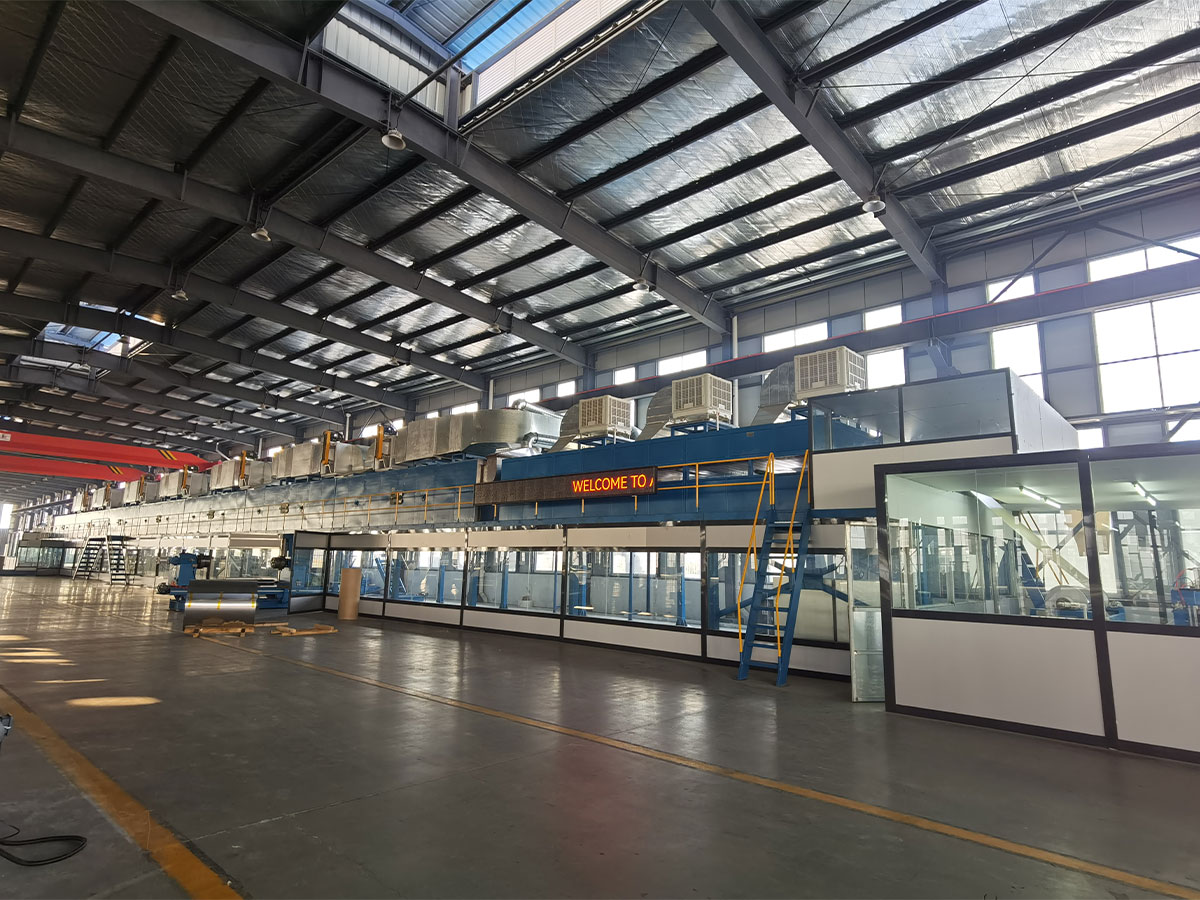
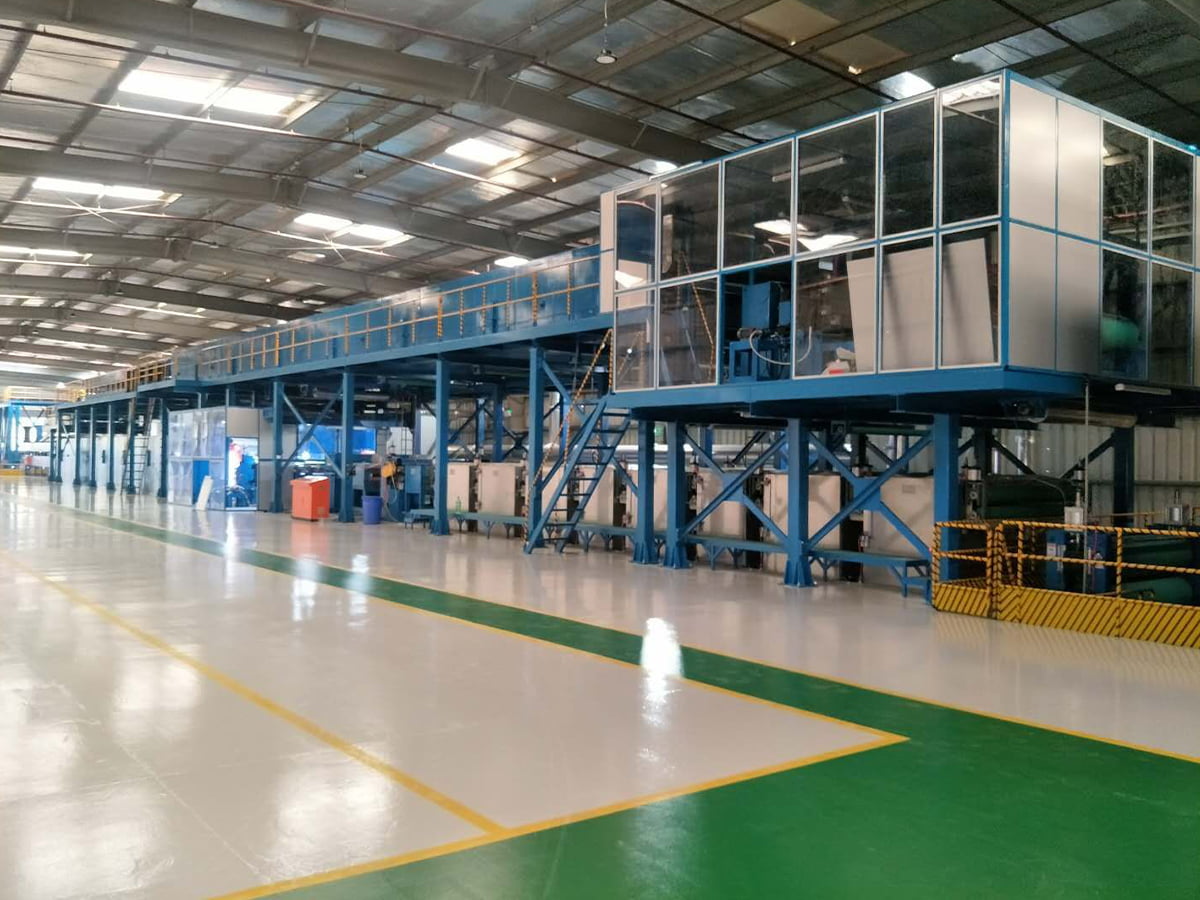
Many building and interior materials that look like moulded products are actually extruded or coated on a continuous line. SPC flooring is the clearest example. The rigid core is extruded, then laminated with a decorative film and a wear layer, so the extruder determines flatness, density and thickness consistency across the whole board.
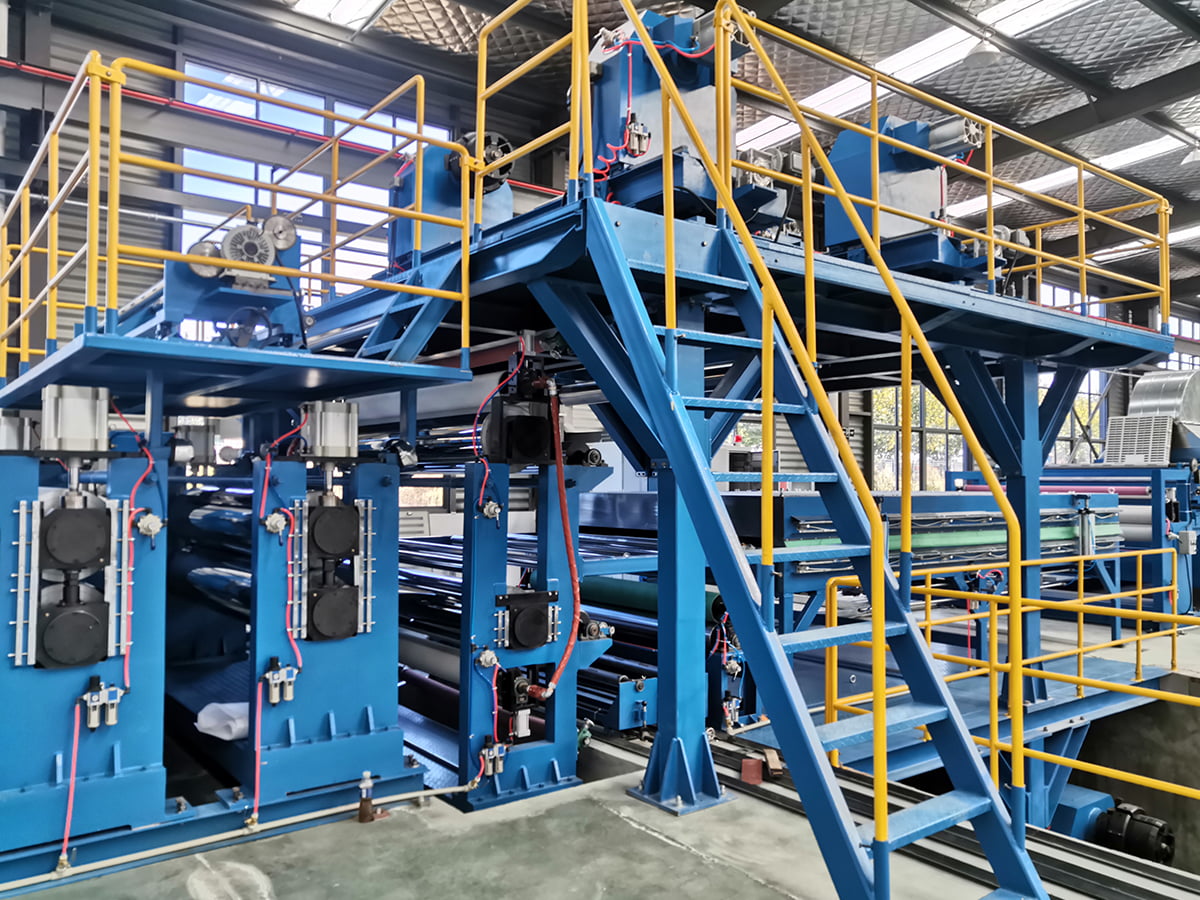
 PVC/WPC/SPC Flooring Production Line for Stone Plastic FlooringView this line to see how extrusion, film lamination, UV coating, embossing and online inspection combine for automated SPC flooring output.View Product →
The same logic applies to continuous fibre reinforced thermoplastic composites. A PET or PP CFRT line combines polymer melt with reinforcing fibre or fabric in a continuous process, and the finished sheet or tape is later pressed or thermoformed into a three-dimensional shape. The extrusion stage, not a moulding press, decides fibre wet-out and thickness uniformity. Buyers often ask what a full PVC laminate panel line contains before comparing suppliers, and the honest answer is that the extruder is only one station among several that must match each other.
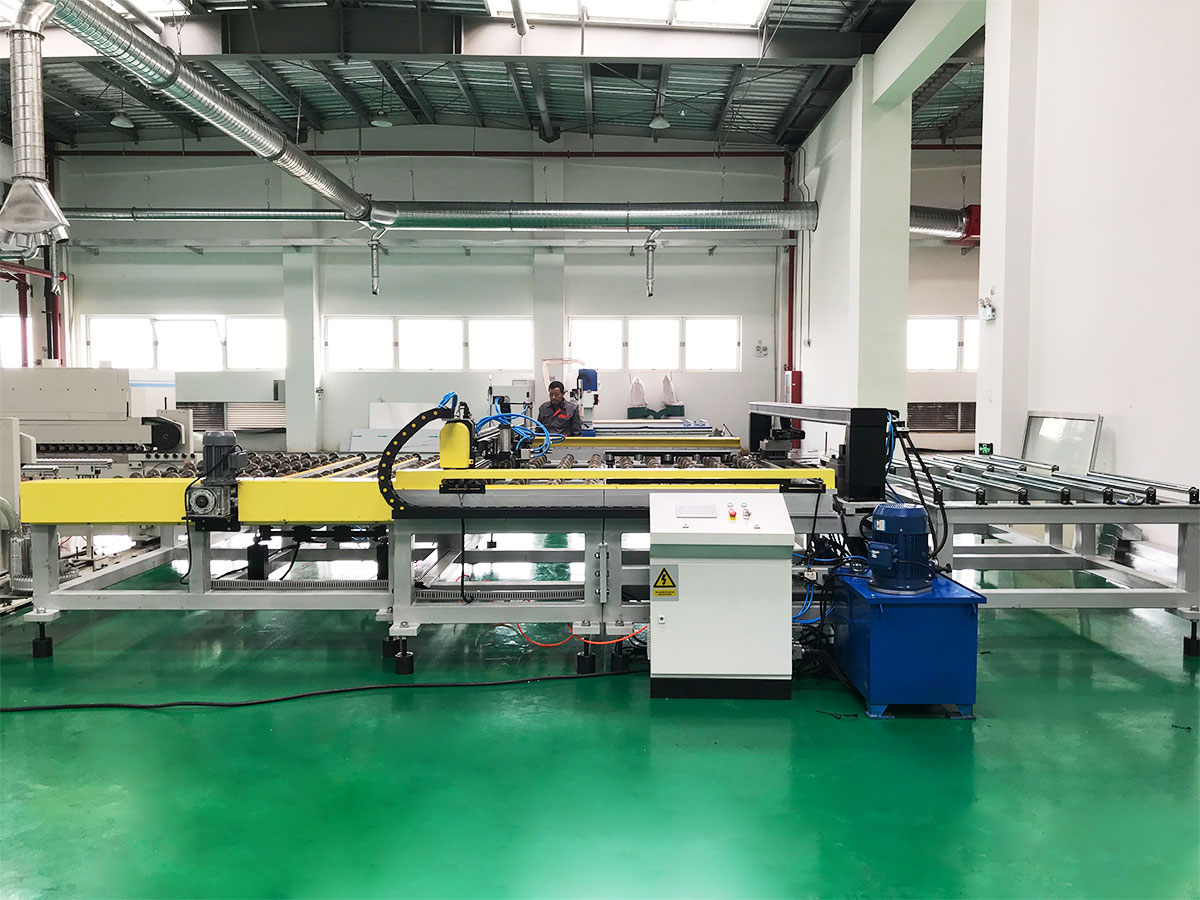
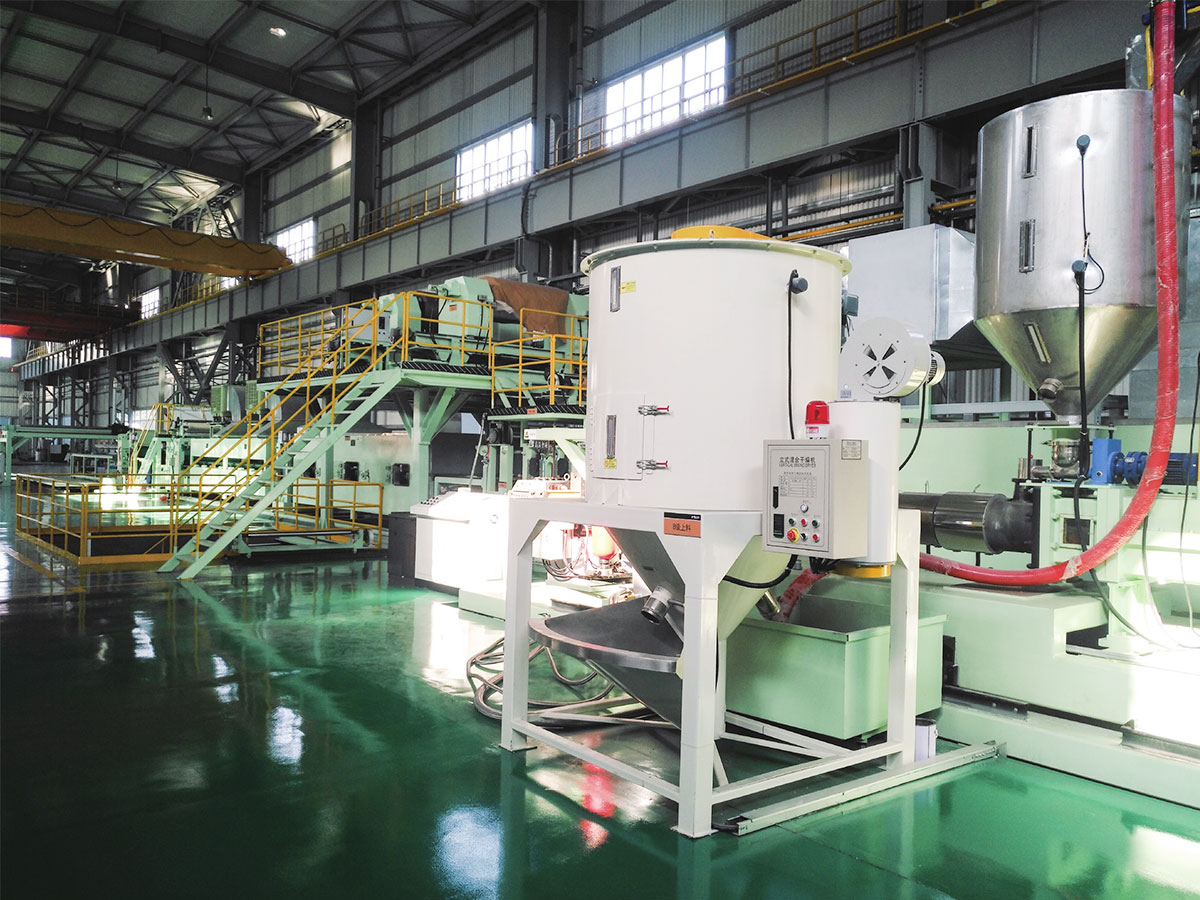 PET/PP CFRT Composite Material Production LineExplore this OEM CFRT line for continuous fibre reinforced thermoplastic composite production, with service and quotation options available.View Product →
PVC and PU leather follows a third pattern, where a base layer is produced continuously and then coated, embossed and cooled in line. The surface texture comes from an embossing roll, not a cavity, which is precisely why the process scales to long runs without a part-specific mould.
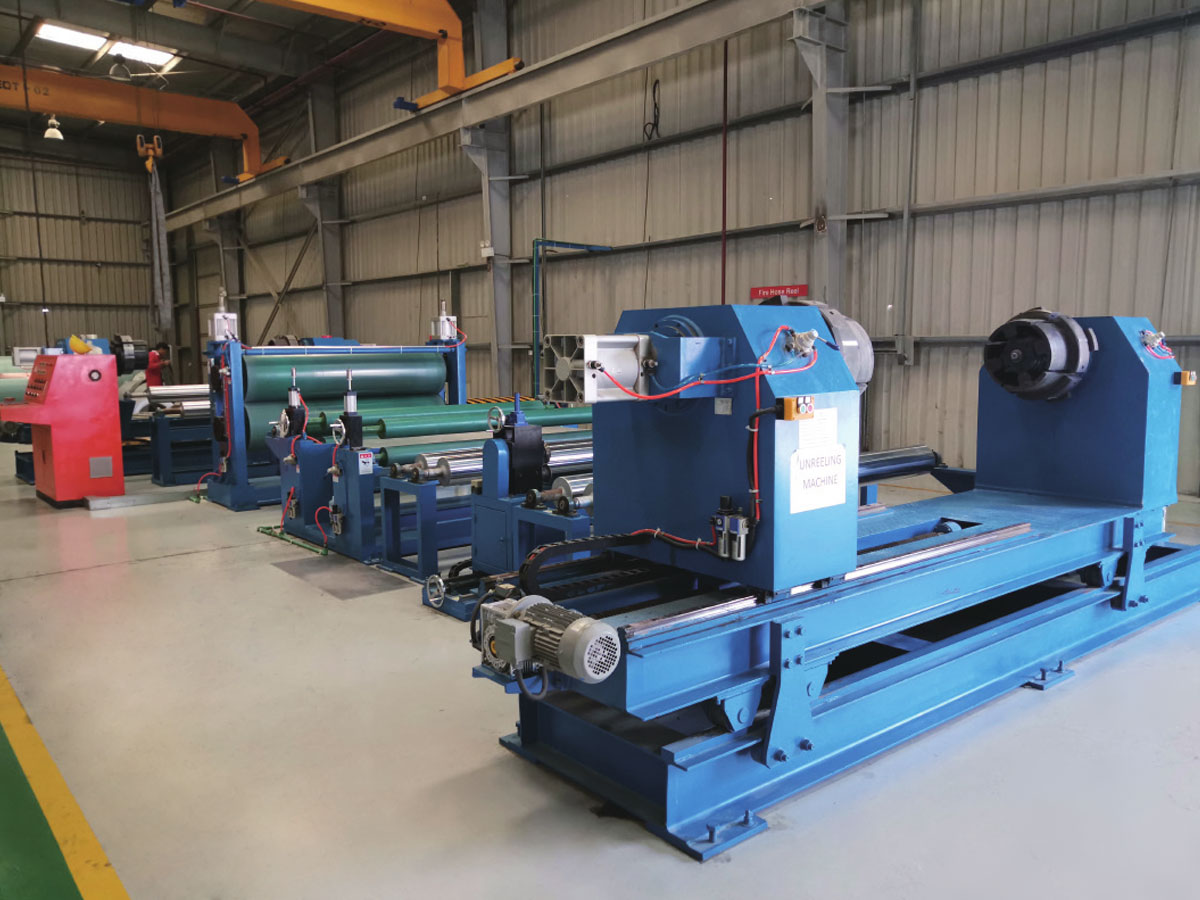
 PVC/PU Leather Composite, Embossing and Coating LineReview this line for continuous PVC/PU leather base production, inline coating, embossing and cooling, with customizable OEM service options.View Product →
What to Check Before Buying an Extrusion-Based Line
- Screw diameter and length-to-diameter ratio, matched to the polymer and filler content you actually intend to run.
- Output rate against line speed, so the haul-off and cooling length are not the bottleneck.
- Thickness and width tolerance written into the contract with a measurement method, not just a promise.
- Cooling capacity and calibration design for the heaviest profile in your product plan.
- Downstream equipment included in the same scope, since split responsibility between suppliers complicates commissioning.
- Service model: remote support, site installation, spare parts availability and operator training.
If your product plan sits somewhere between a profile and a shaped part, the practical route is often to extrude or laminate a semi-finished sheet and then form it. Understanding the full process chain before signing avoids buying capacity you cannot use. You can review what a PVC laminate panel production line includes for a worked example of how the stations fit together.
The Short Version
Extrusion makes continuous products with a constant cross section and earns its money on long runs, low tooling cost and simple geometry. Injection moulding makes discrete three-dimensional parts and earns its money on repeatability, complex features and high piece counts. Neither is more advanced than the other. They are simply built for different questions, and the fastest way to reduce risk is to describe your product, annual volume and critical tolerance to an equipment engineer before you compare prices. If you want that conversation, send your product specification and capacity target to the team and confirm which platform fits your case.