grammy@cjm.com.cn


 English
 русский
 Español
 عربى

Content
A procurement team comparing two quotes for an aluminum composite panel line may see PCM in two different places. One supplier uses it for a coating route; another may use it for a thermal storage material. In metal composite panel and coil coating projects, PCM technology generally means pre-coated metal. It is a production strategy, not a single machine. The way the coil is coated, cured, handled, and laminated determines whether the panel looks consistent, bonds reliably, and meets the promised fire or weather performance.
What PCM Technology Means in Metal Construction
Pre-coated metal, often shortened to PCM, is a metal coil that receives its coating or film before it reaches the panel fabricator. The coating center performs pretreatment, primer and topcoat application, curing, and sometimes film lamination. The panel producer then uses that finished coil as the outer skin, bonds it to a core, and completes edge treatment.
This is different from phase change materials, which store and release latent heat. Both use the same abbreviation, so a specification should state the intended meaning. If the requirement is thermal regulation, the discussion belongs with building physics and HVAC planning. If the requirement is a facade, ceiling, sign, or appliance skin, PCM more commonly refers to pre-coated metal.
For a panel factory, the appeal is control. Surface appearance is set upstream under controlled coating conditions. The line receives a more consistent substrate, reduces paint handling, and can shorten the finishing section. The trade-off is that the panel producer inherits coil quality, shelf life, storage, and compatibility risks.
Why Pre-Coated Metal Changes the Production Line
Moving to pre-coated metal shifts the work content. The panel line no longer creates the visible finish from bare metal, but it must protect the finish and bond to it. Coil handling, tension, alignment, and dust control become more important because scratches are difficult to repair without a visible patch.
Coil coating is a continuous process. It usually includes cleaning and chemical pretreatment, primer and topcoat application, oven curing, cooling, and rewind. Film lamination may be added for protection or decoration. Line speed, oven profile, coating thickness, and substrate flatness interact. A fast line that cannot hold cure or thickness pushes defects downstream, where correction is expensive.
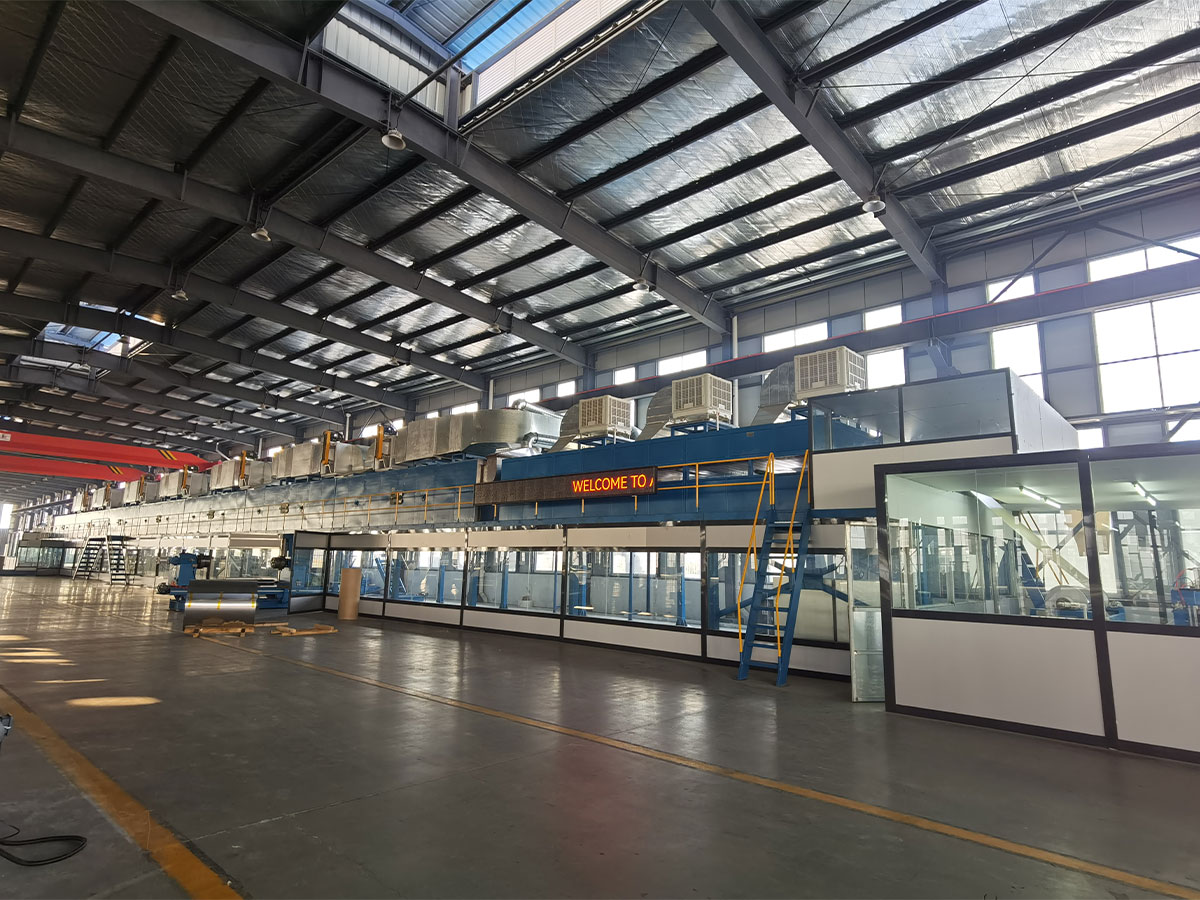
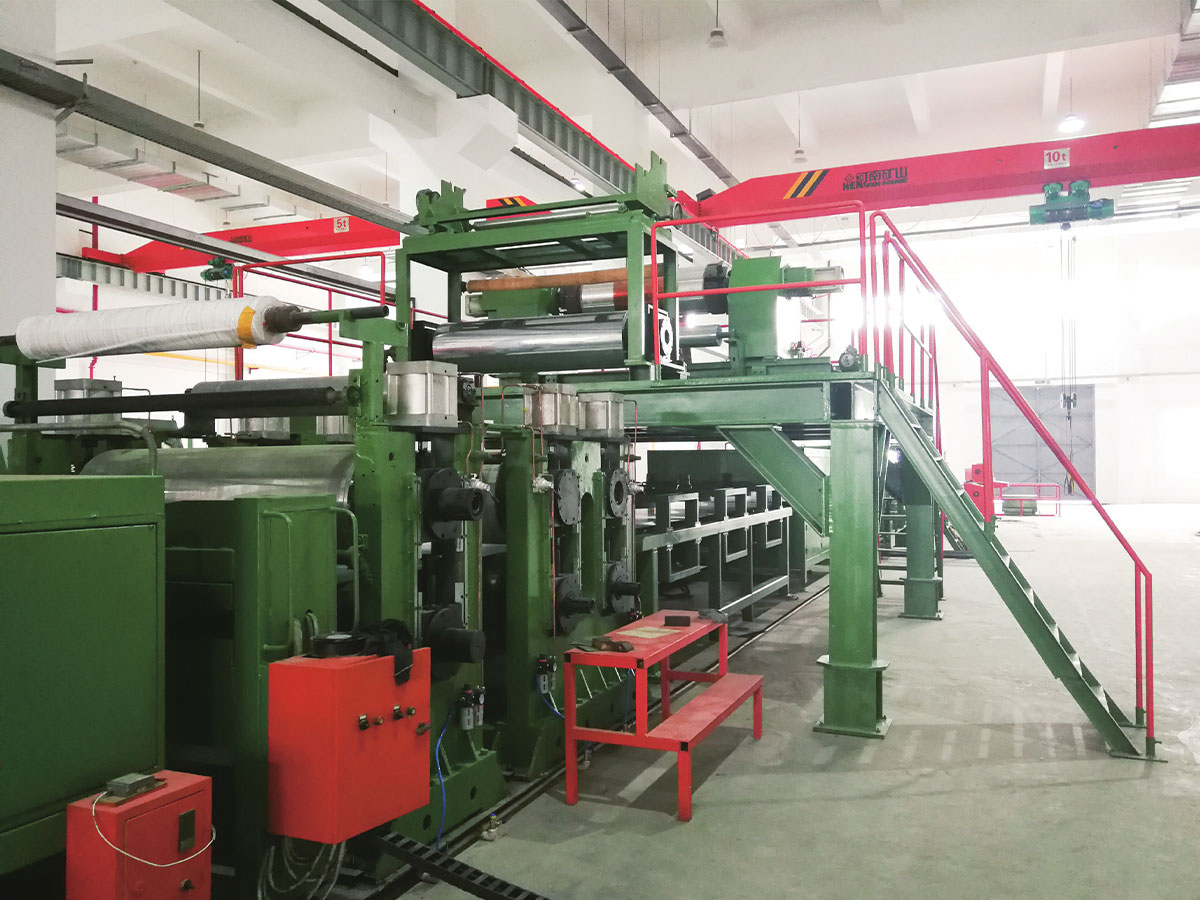
 Aluminum/Steel Coil Coating and Printing LineView this OEM coil coating and printing line when assessing continuous coating, curing, and rewinding needs against order patterns and in-house finishing capability.View Product →
| Process point | Post-coating route | Pre-coated metal route | What to verify |
|---|---|---|---|
| Surface finish | Created on the panel line after forming | Created on a coil coating line before panel production | Color, gloss, thickness, and lot consistency |
| Main risk | Paint defects, overspray, and curing control | Coil damage, shelf life, and adhesive compatibility | Handling plan, storage conditions, and peel strength |
| Line scope | More finishing equipment and wet processes | More inspection, protection, and lamination control | Layout, tension control, and cleanroom discipline |
| Changeover | Color changes can interrupt panel output | Color changes depend on coil supply and inventory | Minimum order, lead time, and stock policy |
The table is not a recommendation for every plant. A small producer with many custom colors may prefer flexible post-coating. A larger producer with repeat facade products may gain more from pre-coated coil because output is steadier and surface quality is easier to repeat. The right answer depends on order pattern, color range, fire rating, and in-house coating experience.
Key Quality Checkpoints for PCM Lines
Acceptance should be built around the finished composite panel, not only the coil. The coil is an input; the panel is the product that must pass project review. A practical plan links coil certificate values to in-process checks and final panel tests.
- Pretreatment: confirm cleaning, conversion coating, and rinse quality. Poor pretreatment can pass visual inspection and still fail adhesion after weathering.
- Coating thickness: measure primer and topcoat on representative samples at edge and center.
- Cure: check oven profile and solvent retention. Under-cure may block or delaminate; over-cure may crack during bending.
- Adhesion: use cross-hatch or peel tests agreed by both parties on the coated face and the bonding side.
- Flexibility and impact: T-bend and impact checks predict behavior during flattening, folding, and edge work.
- Color and gloss: set tolerances under defined lighting. A delta E target without a measurement method invites disputes.
- Corrosion and weather: match salt spray or accelerated weathering to the market and warranty claim.
Keep coil heat number, coating batch, adhesive batch, and panel date linked. If a defect appears later, this record narrows the cause. Before locking equipment scope, review the line selection logic. A useful starting point is this guide on how to choose a high-performance metal composite panel production line.
Integrating PCM with Composite Panel Lamination
Lamination is where pre-coated metal becomes a composite panel. The coated face is visible, while the back of the coil meets adhesive and core. That back side deserves equal attention. If it carries a protective film, residual oil, or a primer incompatible with the adhesive, peel strength can drop even when the front looks perfect.
Set the line around the adhesive system, not around maximum speed. Core type, adhesive chemistry, nip pressure, web tension, and line temperature affect bond formation. A2 and B1 fire-rated products add another layer of control because core formulation and lamination consistency influence fire performance. The equipment should hold stable tension across the coil width and keep the coated surface free of scratches during splicing and accumulation.
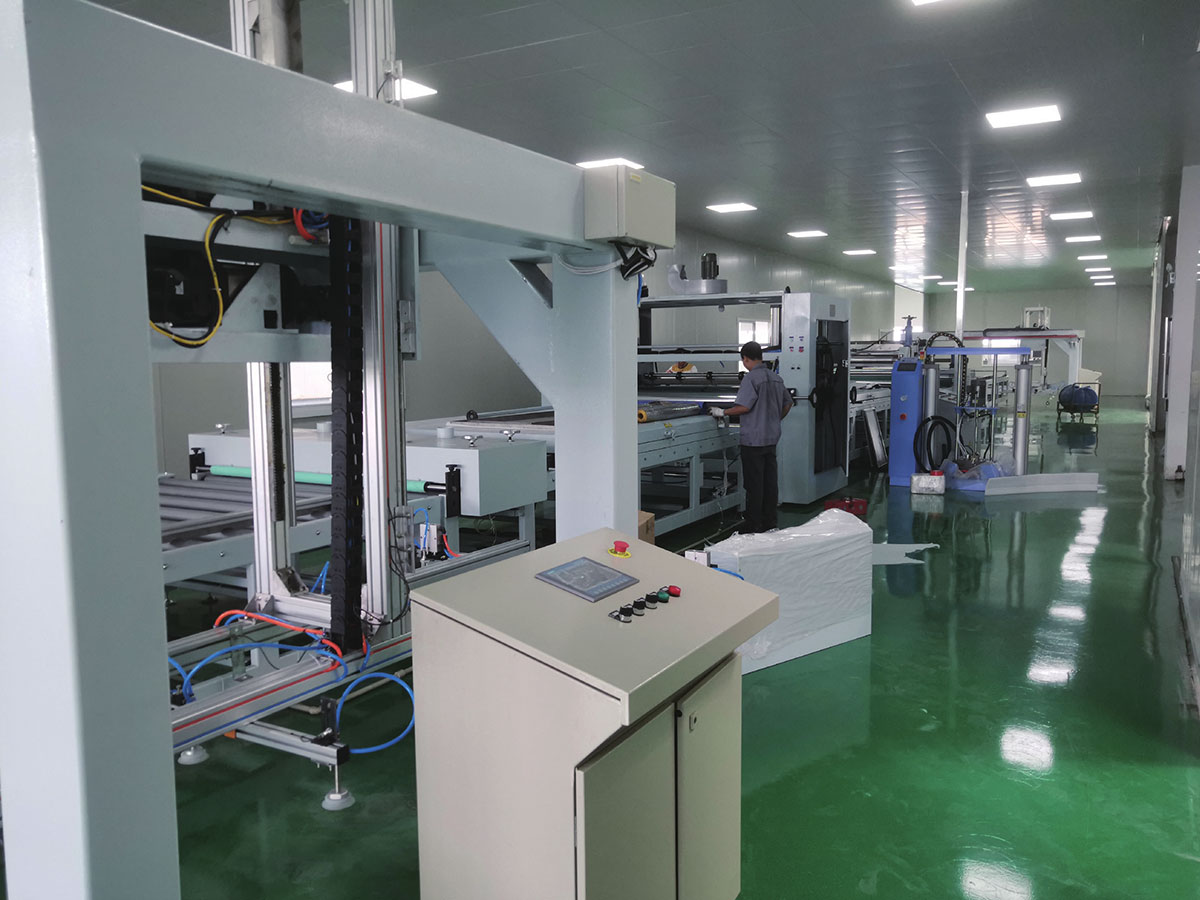
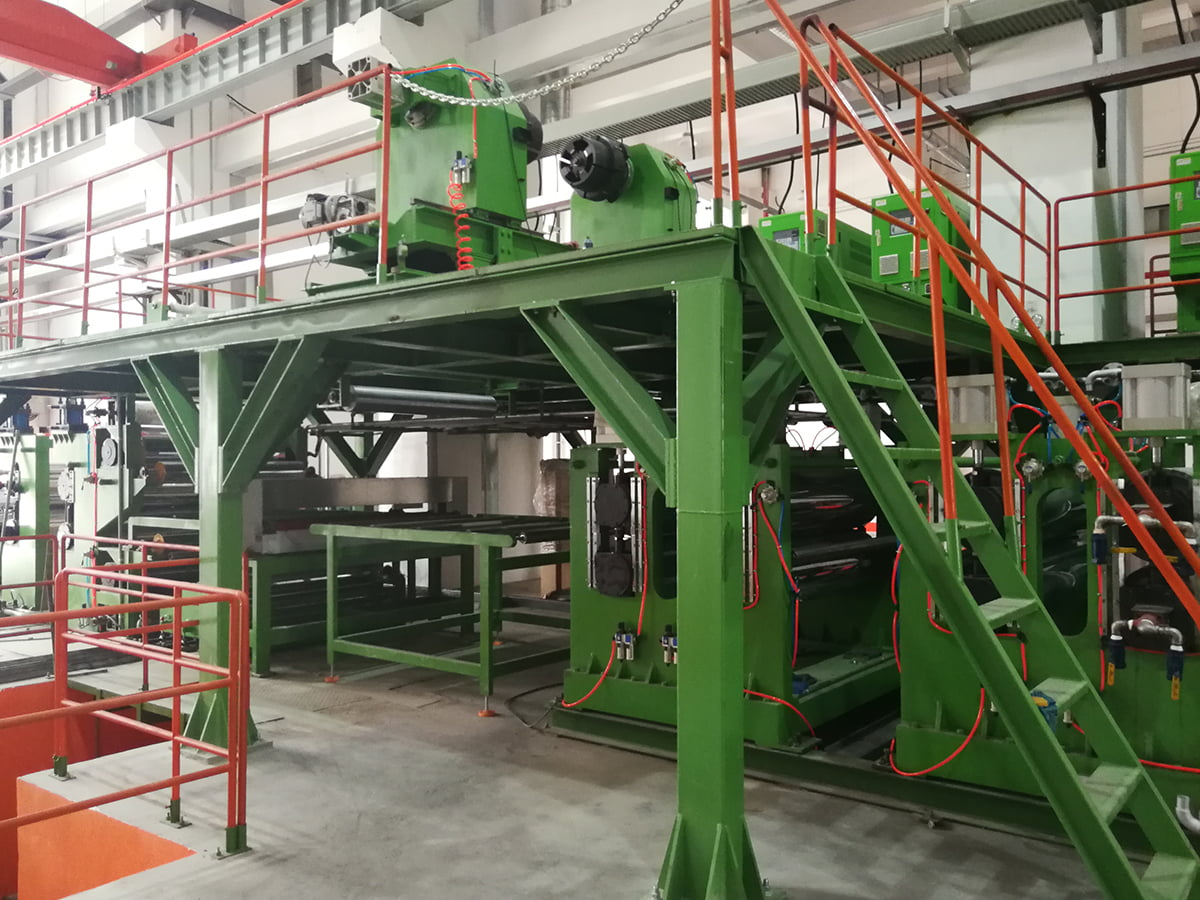
 A2/B1 Two-Way Metal Composite Panel Production LineThis dual-purpose line supports PE/B1 and A2 fire-rated composite panel production with switchable core systems and PLC control, worth reviewing for fire-safety product planning.View Product →
A common mistake is to buy pre-coated coil and expect the existing line to run unchanged. The line may need new guide rolls, cleaner hoods, tension sensors, a different splicing sequence, or a finish protection station. These details are small in the budget but large in commissioning time.
Procurement Questions That Separate Good Quotes from Risky Ones
Ask suppliers to explain the process window, not only the machine list. A credible proposal should state which surfaces are pre-coated, which side receives adhesive, how the line protects the finish, and how acceptance will be measured. Useful questions include:
- What coil width, thickness, and coating type is the line designed for?
- How is tension controlled during unwinding, splicing, lamination, and rewinding?
- What adhesive systems and core materials have been validated, and at what speed?
- Which tests are performed on the finished panel, with what sampling frequency?
- How are color, gloss, and surface defects judged under agreed lighting?
- What is included in installation, commissioning, training, and spare parts?
- What remote and on-site support is available after start-up?
Vague answers often become change orders. A supplier that understands pre-coated metal will talk about handling damage, adhesive compatibility, and cure control without being prompted.
Matching PCM Technology to Your Product Mix
Product mix should drive equipment scope. Exterior facade panels place priority on coating durability, fire performance, and color consistency. Interior decorative panels may value pattern range and fast changeover. Sign and ceiling products may need different flatness and gloss targets. If the plan includes several product families, a custom-built or modular line can be more practical than forcing every product through one fixed layout.
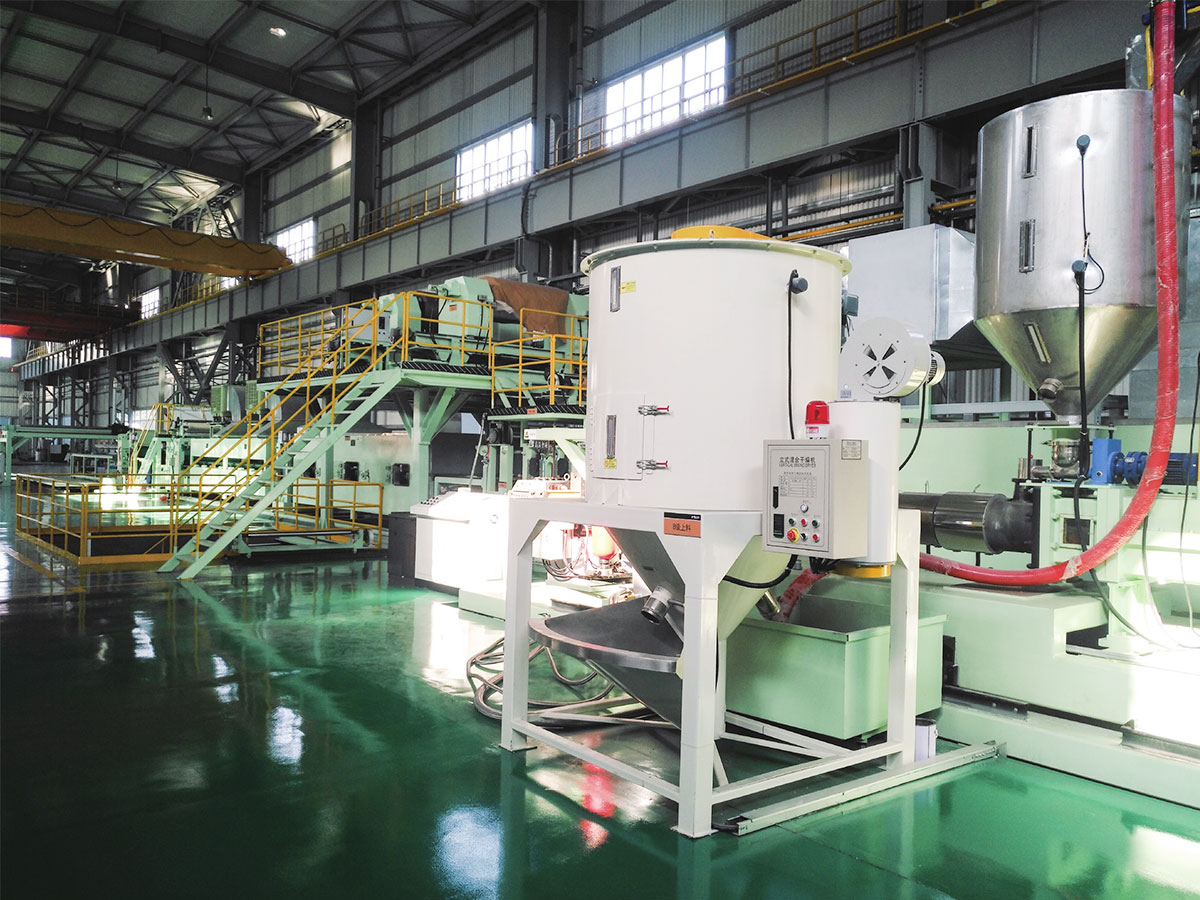
 Custom-Built Composite, Coating, and Automated Production LinesReview this OEM custom-built production line option for composite, coating, and automated processing projects where product mix requires flexible equipment scope and quotation discussion.View Product →
Pre-coated metal reduces finishing work, but it does not remove process engineering. The coil, adhesive, core, lamination, and edge treatment form one system. Compare suppliers on process understanding and validation support, not only price per meter of line speed.
PCM technology in metal composite panels is a chain of decisions: coil source, coating quality, handling discipline, adhesive compatibility, lamination control, and final panel testing. When aligned, pre-coated metal can improve consistency and reduce finishing complexity. When treated as separate purchases, the line may run, but the product may not hold up.
If you are planning a new coating or composite panel line, define the product first, then the process window, then the equipment. You can discuss your line requirements and map the right configuration before the quotation is fixed.