grammy@cjm.com.cn

 English
 русский
 Español
 عربى
عربى
Content
- 1 How an Embossing Machine Works
- 2 Types of Embossing Machines by Operating Method
- 3 The Embossing Roller: Core Component That Defines Pattern Quality
- 4 Structural Benefit: Embossing Increases Board Rigidity
- 5 Key Application Areas for Embossing Machines
- 6 Advantages of Using an Embossing Machine in Production
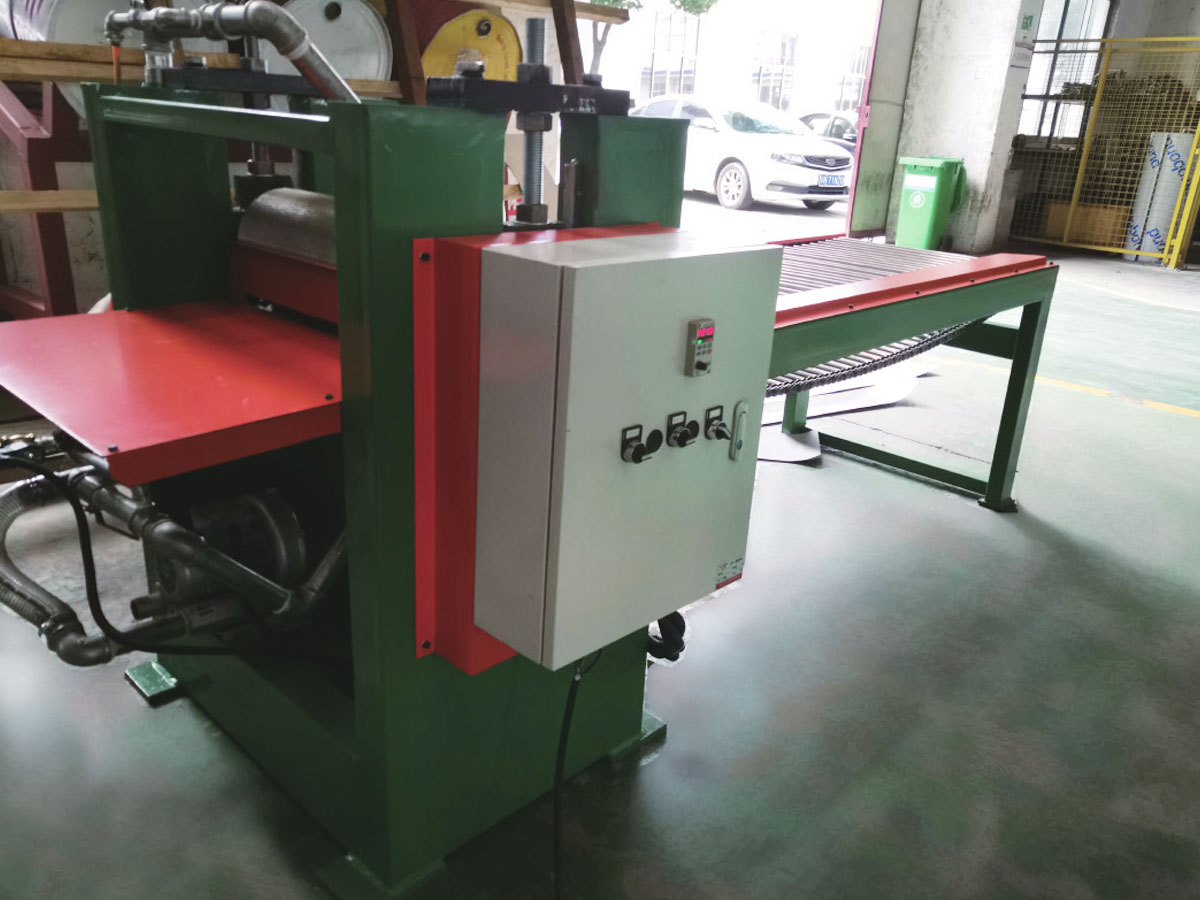
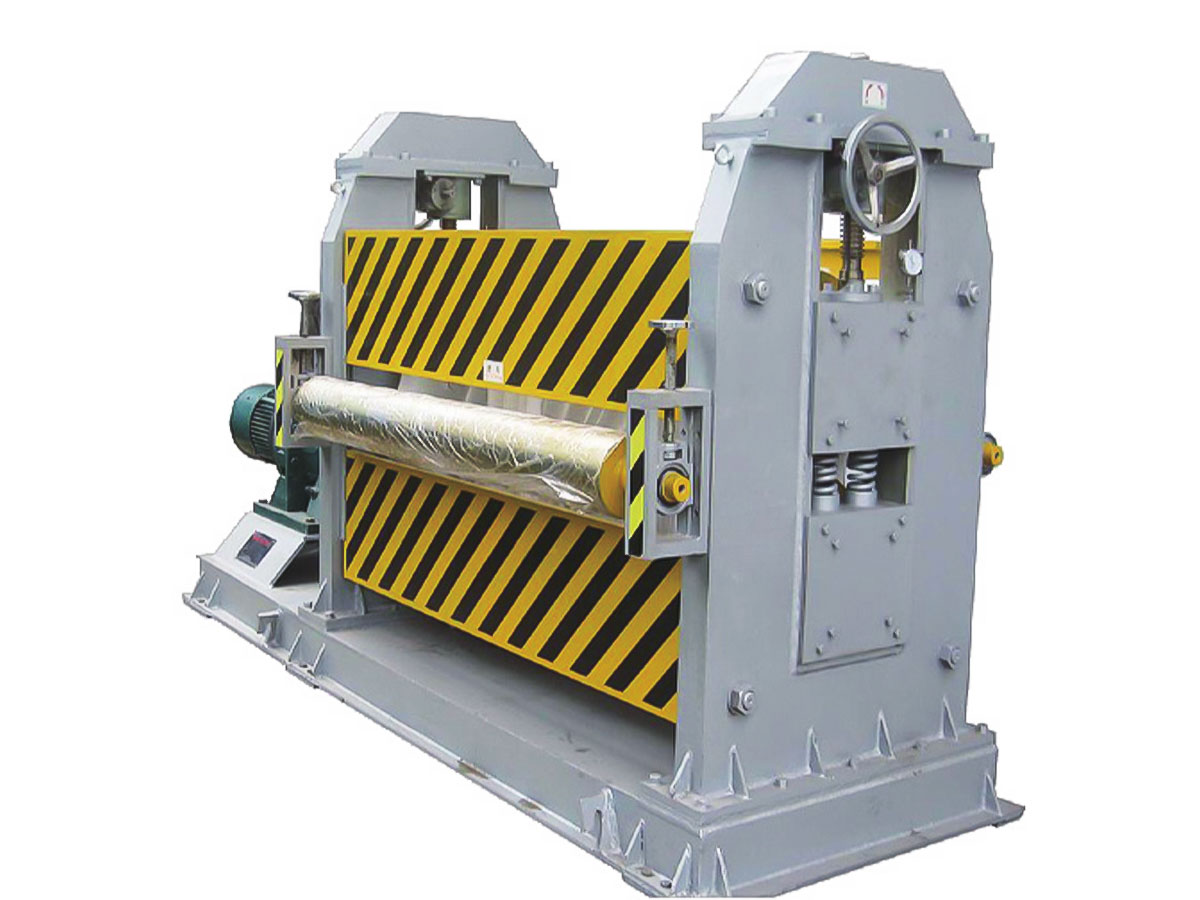
An embossing machine is a mechanical or hydraulic press that uses precision-engraved pattern rollers or dies to impress three-dimensional raised or recessed textures onto the surface of flat board, sheet, or film materials. By applying controlled heat and pressure through patterned rollers, the machine permanently deforms the surface material — creating wood grain, stone texture, geometric patterns, or custom designs — without cutting or removing any material. The resulting textured surface simultaneously enhances the visual appearance of the product and improves its structural rigidity, making embossing machines essential equipment in building decoration, furniture manufacturing, packaging, and advertising display production.
How an Embossing Machine Works
The operating principle of an embossing machine is based on controlled plastic deformation of the substrate surface under precisely applied heat and pressure. The core mechanism involves two or more matched rollers — one engraved with the pattern (the embossing roller) and one smooth or counter-patterned (the backing roller) — between which the material is fed continuously.
- Material feeding — the flat board, sheet, or film is fed into the machine at a controlled, consistent speed. For rigid boards such as PVC, WPC, or composite panels, a precision feed system ensures uniform entry angle and pressure distribution across the full width of the material.
- Pre-heating (where required) — thermoplastic materials such as PVC and PP are pre-heated to a temperature below their melting point but above their glass transition temperature — typically 60–110°C depending on the material — to increase surface plasticity and allow deeper, sharper pattern definition without cracking.
- Pattern pressing — the material passes between the heated embossing roller and the backing roller under precisely controlled nip pressure. The raised features of the engraved roller compress into the softened surface, permanently displacing material into the recessed areas of the roller pattern and creating the mirror image of the roller engraving on the substrate surface.
- Cooling and setting — immediately after passing through the nip, the embossed material is cooled — either by passing over chill rollers or through a cooling section — to lock the deformed surface into its new three-dimensional form before the material exits the machine.
- Output and collection — the continuously embossed material exits the machine and is cut to length, rewound into coils, or stacked as panels depending on the downstream process requirements.
Types of Embossing Machines by Operating Method
Embossing machines are available in several configurations that differ in how pressure is applied and how the material is processed, each suited to different material types and production volumes.
| Machine Type | Operating Method | Typical Materials | Production Mode |
|---|---|---|---|
| Roller embossing machine | Continuous nip between engraved and backing rollers | PVC panels, WPC boards, PE/PP film, paper | Continuous inline or standalone |
| Flat-bed press embossing machine | Hydraulic or mechanical flat die pressed onto sheet | MDF, HDF, rigid composite panels, leather | Batch (sheet-by-sheet) |
| Hot embossing machine | Heated roller or die pressed onto thermoplastic surface | PVC, ABS, polycarbonate, SPC flooring surface | Continuous or batch |
| Cold embossing machine | High-pressure roller without heating on pre-softened material | Aluminum foil, soft metal sheet, specialty paper | Continuous |
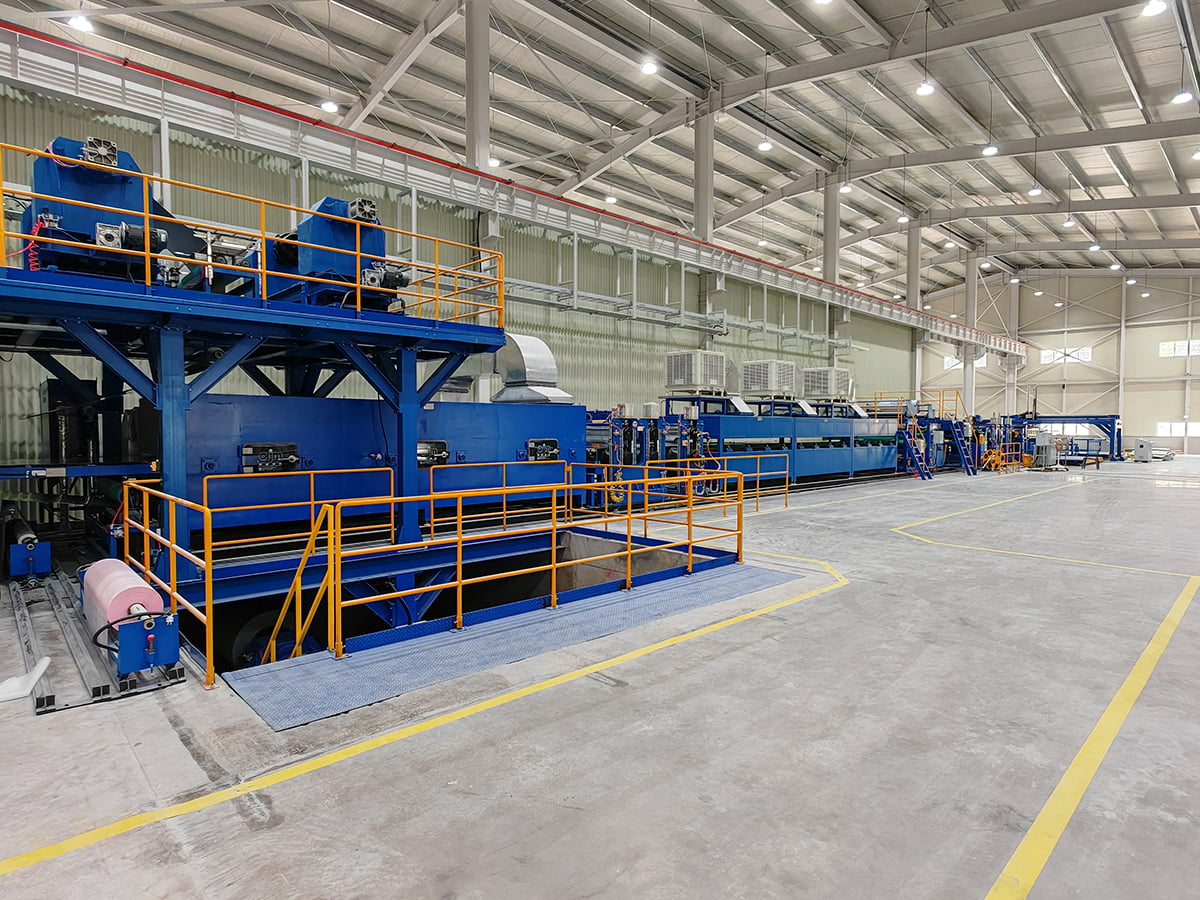
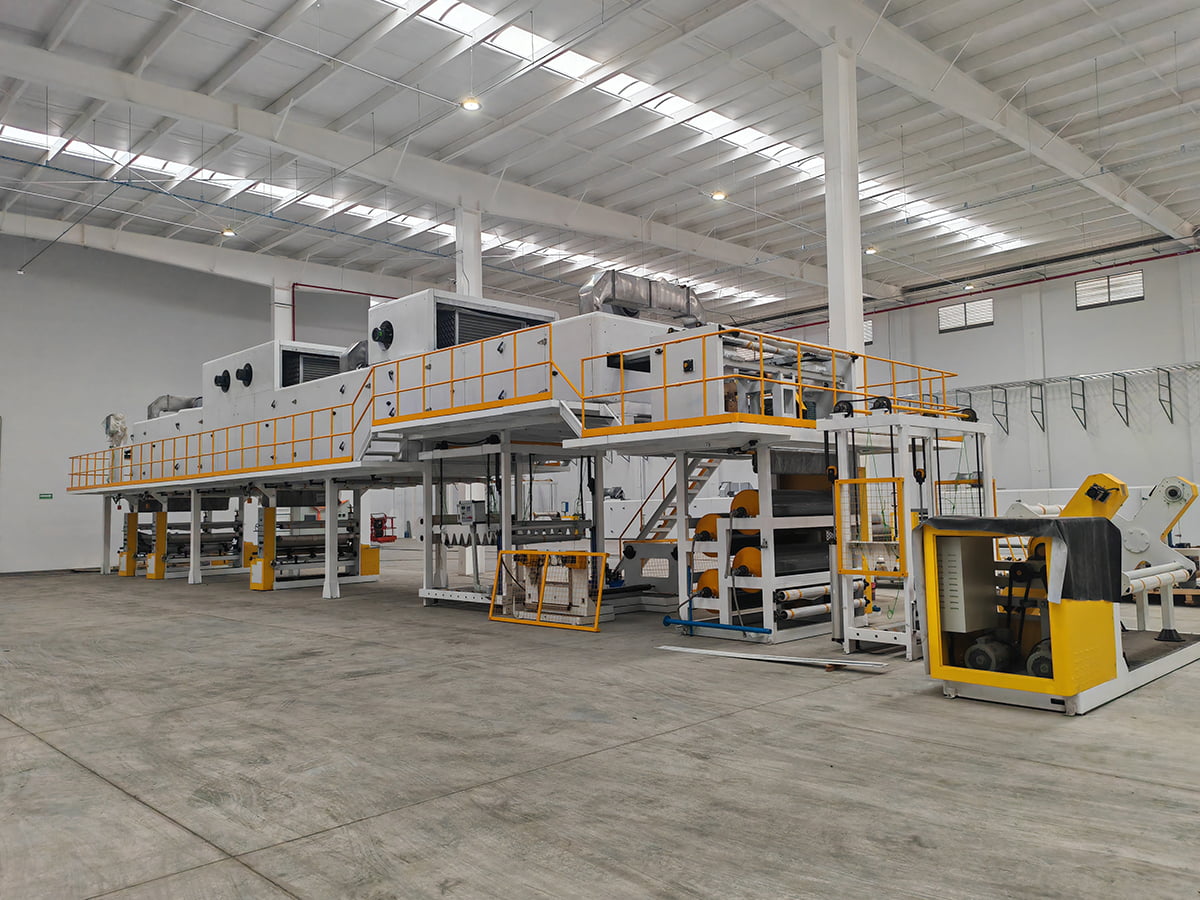
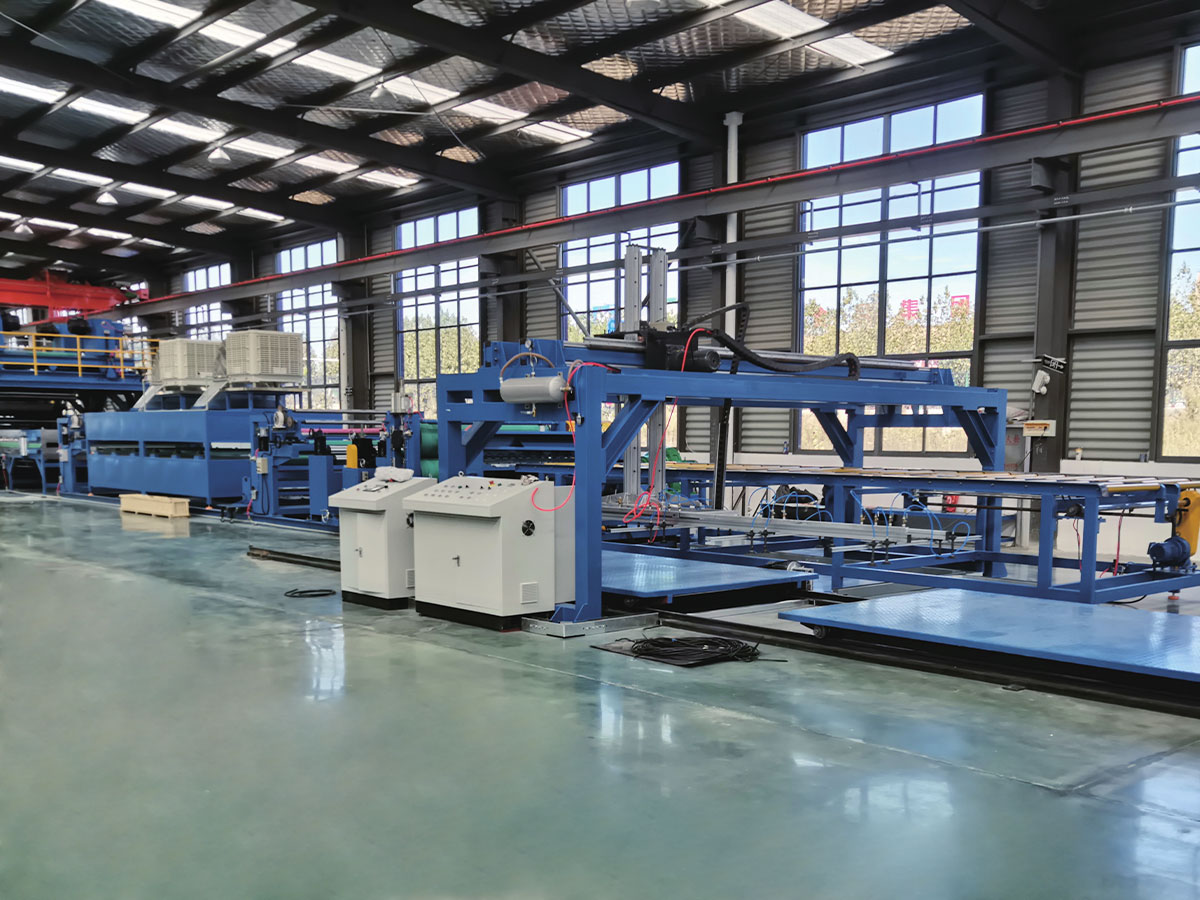
| Multi-roller embossing line | Series of rollers with sequential heating, pressing, and cooling zones | SPC/WPC flooring, decorative wall panel production lines | High-speed continuous inline |
The Embossing Roller: Core Component That Defines Pattern Quality
The precision of an embossing machine's output is determined almost entirely by the quality of its engraved pattern roller. The roller is not simply a mold — it is the highest-precision component in the machine and the primary investment that differentiates high-quality from low-quality embossed products.
- Roller material and construction — high-performance embossing rollers are manufactured from alloy steel that is CNC-engraved or chemically etched to the pattern specification, then heat-treated and surface-hardened (typically to HRC 58–62) to achieve the wear resistance needed for millions of operating cycles without pattern degradation.
- Pattern engraving precision — modern CNC laser engraving and chemical etching processes can reproduce natural wood grain and stone textures with feature depths of 0.05–1.5 mm and lateral resolutions below 0.1 mm, achieving detail levels that closely replicate the appearance of natural materials. Geometric patterns can be engraved to tolerances of ±0.02 mm for repeat accuracy.
- Seamless repeat — roller circumference is engineered to match the intended pattern repeat length precisely, ensuring seamless, continuous pattern registration across the full length of the embossed material with no visible repeat line.
- Customization capability — both roller width and engraved pattern can be fully customized to customer specifications. Roller widths from 600 mm to 2,400 mm are standard in the industry, with wider custom rollers available for special applications. Customers can supply original artwork, material samples, or concept designs for roller pattern development.
- Service life — after heat treatment and surface strengthening, a quality embossing roller can process 5–15 million linear meters of material before the pattern requires restoration, making it a long-term capital investment rather than a consumable component.
Structural Benefit: Embossing Increases Board Rigidity
Beyond the aesthetic improvement, embossing provides a measurable structural benefit to flat board and panel products through the same engineering principle used in corrugated sheet metal and ribbed structural sections: converting a flat cross-section into a profiled one increases the second moment of area and resistance to bending and deformation without adding material mass.
A flat PVC panel of uniform thickness that is embossed with a wood grain or geometric relief pattern can show 15–35% improvement in flexural rigidity compared to the same unembossed panel at identical material weight. This structural reinforcement effect means embossed panels resist the sagging, bowing, and oil-canning deformation that often affect large-format flat panels in architectural applications — a functional benefit that directly extends product service life and reduces installation complaints.
Key Application Areas for Embossing Machines
Building Decoration Industry
Embossing machines are central to the production of decorative wall panels, ceiling panels, partitions, and cladding systems used in residential and commercial interior decoration. Wood grain and stone texture embossed PVC or WPC panels provide the visual richness of natural materials at a fraction of the cost and with superior moisture resistance, making them widely specified for bathrooms, kitchens, retail fit-outs, and fast-food restaurant interiors. Embossed aluminum composite panels and coil-coated steel sheets are used for exterior wall cladding and roofing applications where the three-dimensional texture enhances both appearance and surface drainage.
Furniture Manufacturing Industry
Cabinet door panels, wardrobe fronts, table surfaces, and furniture carcass panels are embossed to simulate solid wood grain or to create tactile geometric surface patterns that elevate the perceived quality of the finished furniture. Embossed PVC film laminated onto MDF or particleboard substrates is one of the most widely used surface finishing combinations in flat-pack furniture manufacturing globally, and the embossing machine is the critical piece of equipment that imparts the wood grain texture to the film before it is laminated to the board.
Packaging and Advertising Industry
High-end packaging boxes, gift boxes, display stands, point-of-sale displays, and advertising backboards use embossed surfaces to create tactile premium experiences that flat-printed surfaces cannot achieve. In the luxury goods, cosmetics, and electronics packaging sectors, embossed surface texture is a key differentiator that communicates premium brand positioning and justifies higher retail price points. Embossed display boards are also used extensively in trade show exhibition construction for their combination of structural rigidity and visual appeal.
Flooring Production
SPC (Stone Plastic Composite) and LVT (Luxury Vinyl Tile) flooring production lines incorporate inline embossing stations that press wood grain texture onto the wear layer surface immediately after lamination, creating synchronized embossed-in-register (EIR) textures where the embossed grain is precisely aligned with the printed wood grain pattern underneath. This produces a flooring surface indistinguishable in tactile feel from real wood, with embossing depth typically 0.1–0.5 mm on the wear layer surface.
Advantages of Using an Embossing Machine in Production
- Continuous, high-speed production — roller embossing machines process material continuously without interruption, achieving throughput rates of 10–60 meters per minute depending on material type and pattern depth. This makes automated embossing far more productive than batch die-pressing for high-volume applications.
- Pattern consistency and repeatability — because the pattern is mechanically transferred from a precision-engraved roller, every meter of output is identical in pattern depth, spacing, and surface texture. This repeatability is impossible to achieve with manual finishing techniques.
- High customization flexibility — both the working width and the embossed graphic can be customized to customer specifications, enabling manufacturers to serve diverse design requirements from a single machine platform by changing roller sets.
- No consumables or inks — unlike printing or surface coating, embossing adds texture to the substrate using only mechanical deformation. There are no inks, coatings, or chemicals consumed in the embossing process itself, simplifying process management and reducing variable material costs.
- Reduced dependence on skilled labor — modern embossing machines are highly automated, with programmable controls for nip pressure, roller temperature, and line speed. Once set up for a specific material and pattern, the machine operates with minimal operator intervention, reducing the skilled labor requirement compared to manual or semi-manual surface finishing operations.
- Increased product added value — embossing transforms a commodity flat panel into a visually distinctive, higher-value product. The cost of embossing per square meter is low relative to the price premium it enables in finished product sales, making it one of the highest-return surface treatment investments in panel manufacturing.