grammy@cjm.com.cn

 English
 русский
 Español
 عربى
عربى
Content
Two quotes for the same facade package can sit thirty percent apart while both specification sheets read ACP. The gap usually hides in the middle of the panel: one sheet carries a polyethylene core, the other a mineral fire-rated core, and that single layer decides the fire classification, the price band, and the buildings where the material may legally be installed. An ACP sheet, short for aluminum composite panel sheet, is a sandwich of two thin aluminum skins bonded to a core. Specified well, it delivers flatness, rigidity, and light weight in one material; specified poorly, it turns into a compliance and liability problem.
What an ACP Sheet Is Made Of
Every ACP sheet follows the same construction logic. Two aluminum skins, usually 0.3 to 0.5 mm thick and rolled from 1xxx or 3xxx series alloys, sandwich a core of polyethylene (PE), mineral-filled fire-retardant (FR) compound, or a dense A2-grade mineral core. Total thicknesses of 3, 4, 5, and 6 mm cover most projects, and 4 mm is the default for exterior walls. Standard coil widths of 1,220 to 1,575 mm become panel widths of the same range, and because output runs continuously from coil, cut lengths of 4 to 6 meters are routine rather than special orders.
The finish lives on the skins. Polyester paint suits interior panels, while a PVDF topcoat of roughly 25 to 30 microns over a primer is the accepted exterior system because it holds color and gloss against UV exposure. The sandwich effect explains the mechanics: separating two thin skins with a light core multiplies bending stiffness, so a 4 mm sheet behaves like a far heavier plate while weighing roughly 6 to 8 kg per square meter. That same structure enables the signature fabrication method, in which a V-groove routed into the rear skin lets the panel fold into crisp trays and corner cassettes.
| Panel thickness | Skin thickness | Core type | Typical use |
|---|---|---|---|
| 3 mm | 0.15 to 0.21 mm | PE | Signage, display, interior lining |
| 4 mm | 0.40 to 0.50 mm | PE, FR, or A2 | Facade cladding, soffits, column covers |
| 5 to 6 mm | 0.50 mm | FR or A2 | High-rise facades, spandrels, industrial |
Fire Ratings: The Line Between PE, FR, and A2 Cores
The core is the dividing line in this industry. PE-core sheets are cheap, easy to fold, and entirely legitimate for signage and interiors, but they burn and drip, and many countries now restrict or prohibit them on facades above a defined height. Mineral-filled FR cores typically reach Class B under EN 13501-1, while dense mineral cores reach A2-s1,d0, the grade most high-rise codes expect. In North America, ASTM E84 flame spread and smoke developed indices play the equivalent role. Read the classification printed on a test certificate, not the marketing word fireproof, before any panel enters a facade specification.
The radar chart condenses the trade-offs into one view, using scores that reflect typical industry experience rather than single laboratory values. The PE profile explains why the material still sells: it is inexpensive, folds easily, and stays flat, but fire safety and code acceptance sit at the bottom. The FR profile is the balanced middle path, trading a moderate cost premium for a Class B rating that opens most mid-rise work. The A2 profile stretches to the outer edge on fire safety and code acceptance, exactly what high-rise specifications demand, while its formability and cost scores show the price of that compliance. Mineral cores are stiffer to route and fold, and the stricter process control behind them adds expense.
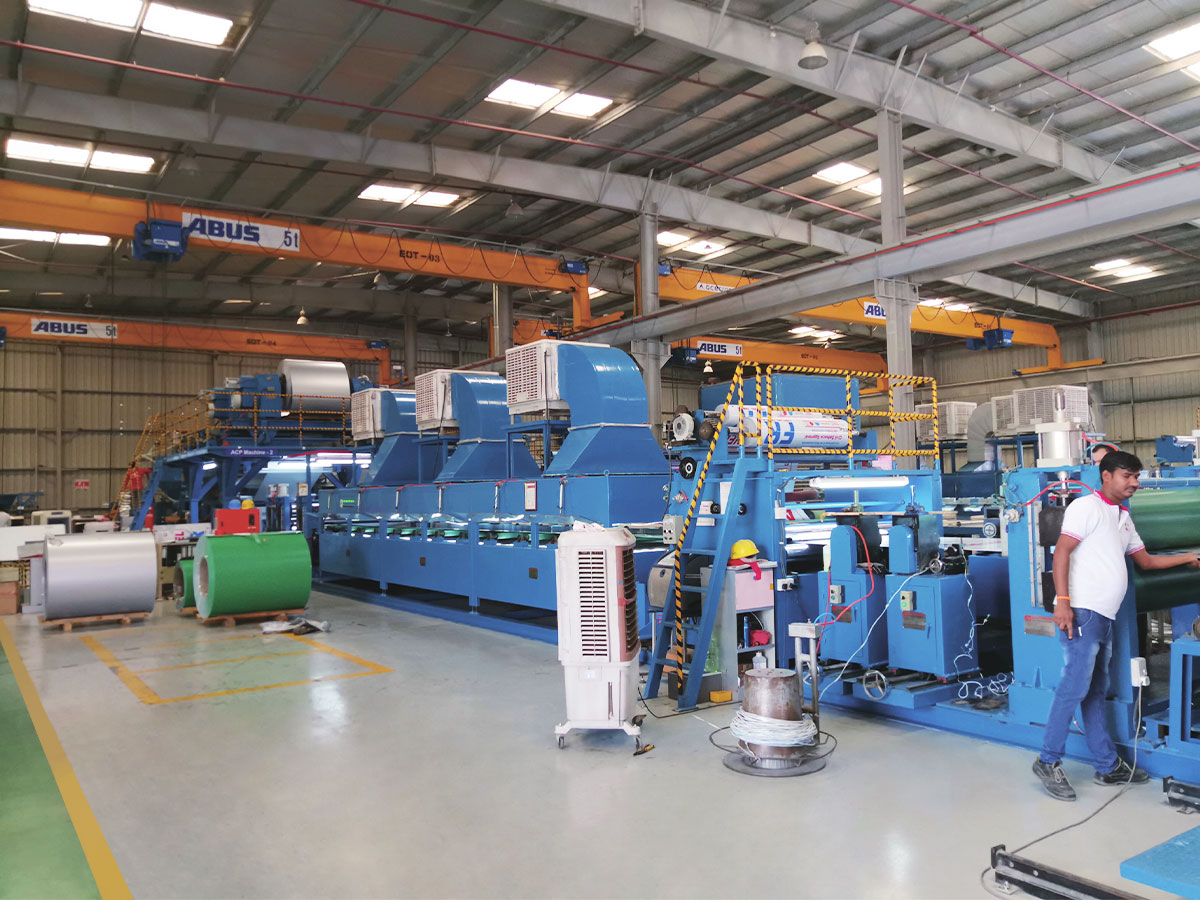
Producing all three grades on one footprint calls for a line that can switch core formulations and bonding parameters without guesswork:
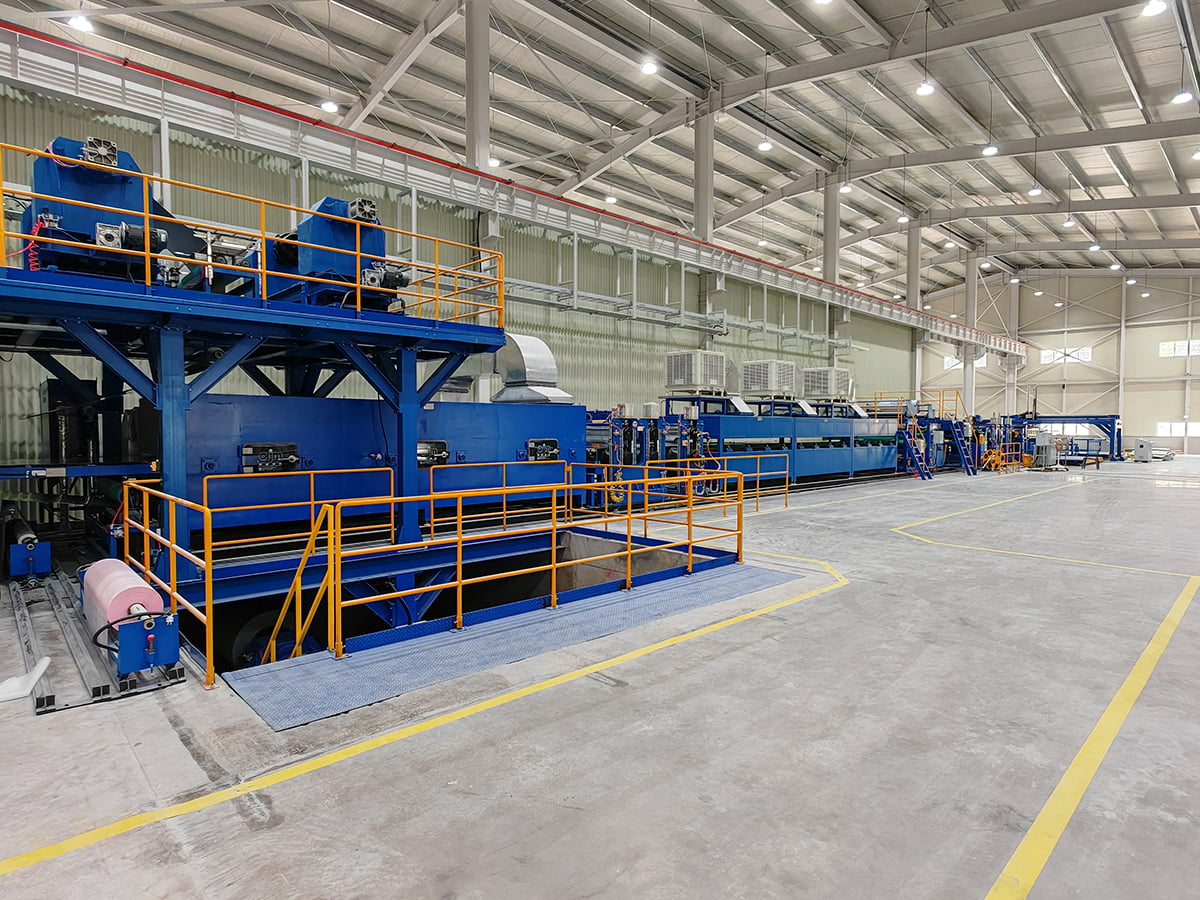
 A2/B1 Two-way Metal Composite Panel Production LineA dual-purpose line that switches between PE/B1 and Class A fire-resistant core production on one footprint, matching the preceding discussion of lines that change core formulations and bonding parameters without guesswork.View Product →
How an ACP Sheet Is Made on a Continuous Line
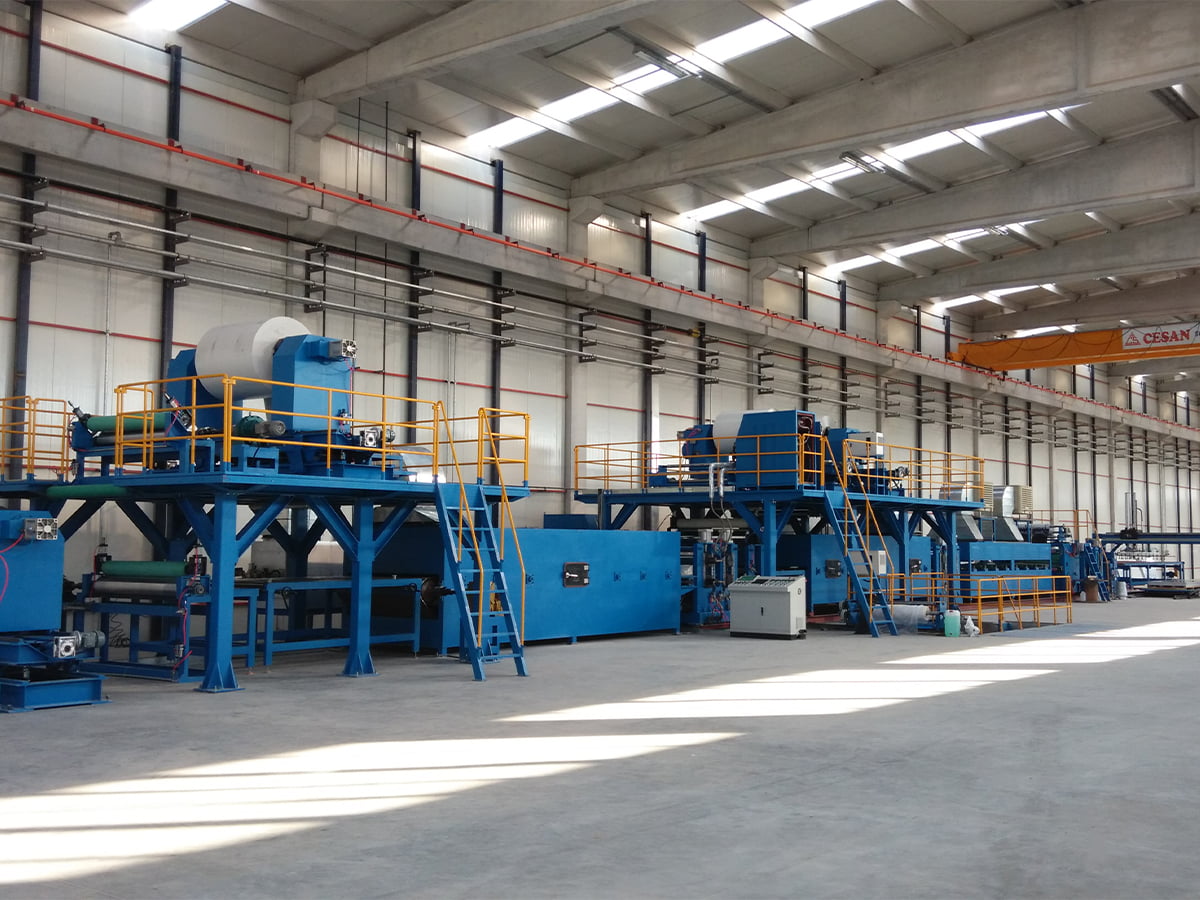
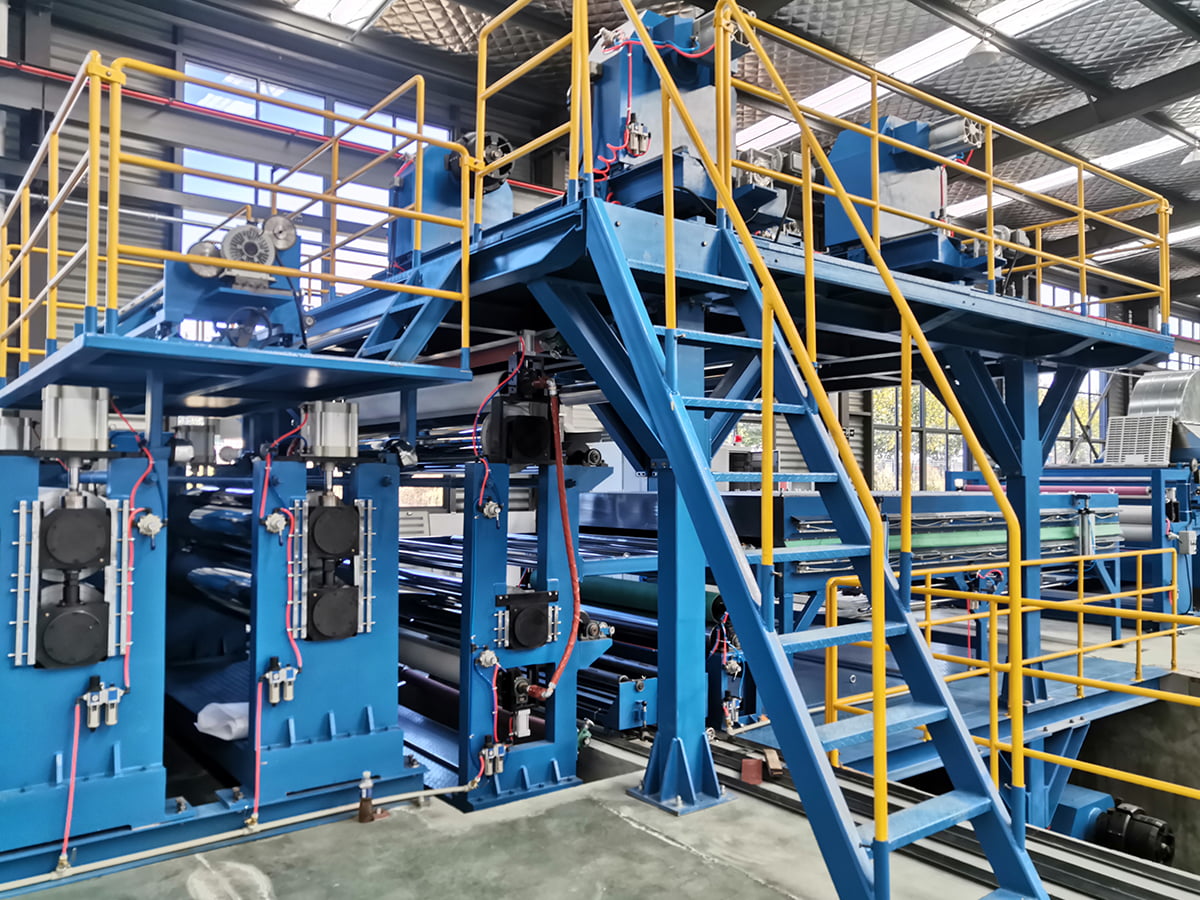
Nearly all quality ACP sheet comes off a continuous coil-to-panel line, and each stage leaves a fingerprint on the finished panel. Top and bottom aluminum coils are uncoiled and spliced for uninterrupted feeding. A cleaning and chemical pretreatment stage conditions the surface so paint and adhesive can grip. Coils that are not bought pre-painted pass through primer and topcoat stations with curing ovens. The core, whether extruded PE or supplied mineral sheet, is dressed with thermal adhesive film, heated until the film activates, and pressed against both skins in a nip roller unit. Cooling, edge trimming, and cut-to-length close the run.
Temperature control along this sequence separates a panel that stays bonded for decades from one that delaminates within a year.
The line chart shows a representative thermal profile from coil entry to panel exit, with values given as typical set points rather than fixed recipes. The gentle climb through uncoiling, cleaning, and drying removes moisture without shocking the aluminum. The cure zone peaks near 225 because paint chemistry needs full cross-linking for adhesion and weather resistance. Temperatures then settle around 200 in the lamination zone, the window where the adhesive film activates and flows into the micro-texture of the skins. The nip stage holds that heat under pressure so the bond line forms evenly, and the final drop toward ambient locks the bond before cutting, which is why cooling discipline shows up directly in peel test results.
Lines dedicated to non-combustible output follow the same skeleton with tighter process windows:
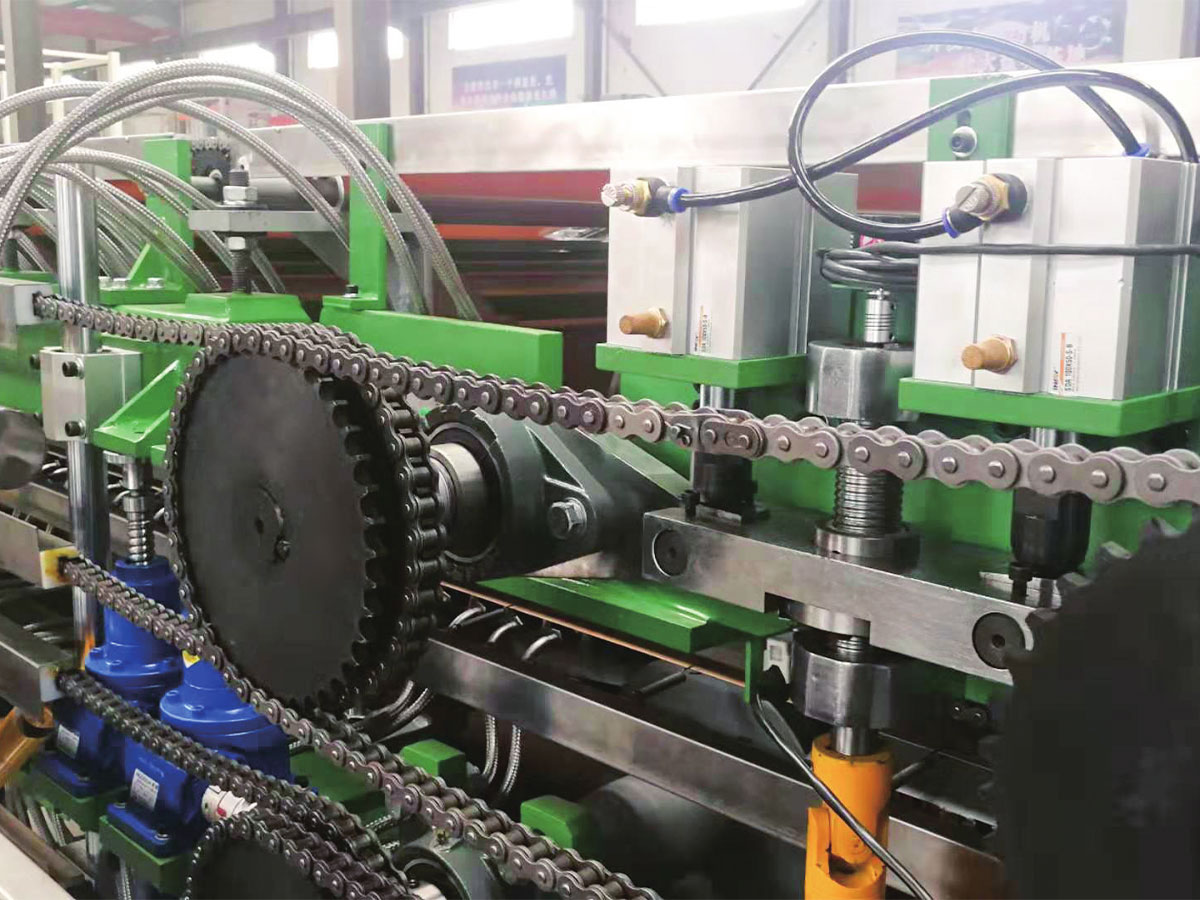
A2 Coil Production Line / A2 ACP Composite LineA dedicated line for non-combustible A2 output, following the same continuous coil-to-panel process described but with tighter process windows, making it relevant for plants targeting fire-rated panel quality.View Product →Quality Benchmarks and Tolerances to Check Before You Buy
Most quality disputes trace back to a handful of measurable properties, so write them into the contract. Check skin thickness with a micrometer, because a 0.4 mm skin sold as 0.5 mm is the most common way to hide margin. Verify total coating build with a gauge and expect PVDF systems at 25 microns or more. Ask for peel strength figures, commonly specified at 4 N/mm or higher for quality panels, and for bow limits measured over a two meter span. Weight is the cheapest audit of all, since a sheet that is underweight against its nominal build is admitting that the core or the skins are thin.
The column chart compares typical weights per square meter for materials that compete for the same cladding budgets. At roughly 7 kg/m2, a standard 4 mm ACP sheet undercuts 3 mm solid aluminum while holding a flatter surface. Fiber cement and steel sheet carry thirty to seventy percent more weight, which multiplies through structural frames, transport cost, and installation hours. The advantage widens with building height, where every kilogram saved on the facade reduces load on brackets and substructure. The figures describe common commercial builds, and a heavier ACP with 0.5 mm skins and a dense A2 core climbs toward 8 kg/m2 yet still leads the group. Treat weight as a screening check, then confirm skin and coating thickness with instruments.
Choosing the Production Line Behind the Sheet
If you buy panels, the line behind them matters as much as the datasheet; if you make panels, the line is the business. Continuous lines bond skins and core under controlled heat and steady nip pressure, which is why their panels show tighter flatness and narrower peel strength scatter than batch output. Two-way lines coat and bond both skins in one pass, cutting handling and improving symmetry, while one-way layouts trade throughput for lower entry cost. The ability to switch between PE, B1, and A2 core chemistries on one line decides how wide a product range a plant can serve.
Continuous Versus Batch Bonding
Batch bonding presses cost less and suit short runs, but every pause reintroduces variation in temperature and pressure at the bond line. Continuous lines demand more upfront investment and reward plants that run long campaigns at standard widths. When evaluating a supplier, ask which line a quoted panel came from, then request flatness and peel data from that same line.
Upstream equipment matters too, because pretreatment and coating quality decide adhesion and color life; a line is only as good as its cleanest stage. For a wider view of the equipment categories involved, see this overview of the metal composite panel production line range, and for a structured decision path, the guide on choosing a high-performance metal composite panel production line covers throughput, control systems, and service terms in detail.
Plants serving both decorative and fire-rated segments often run a dedicated flexible line for FR output:
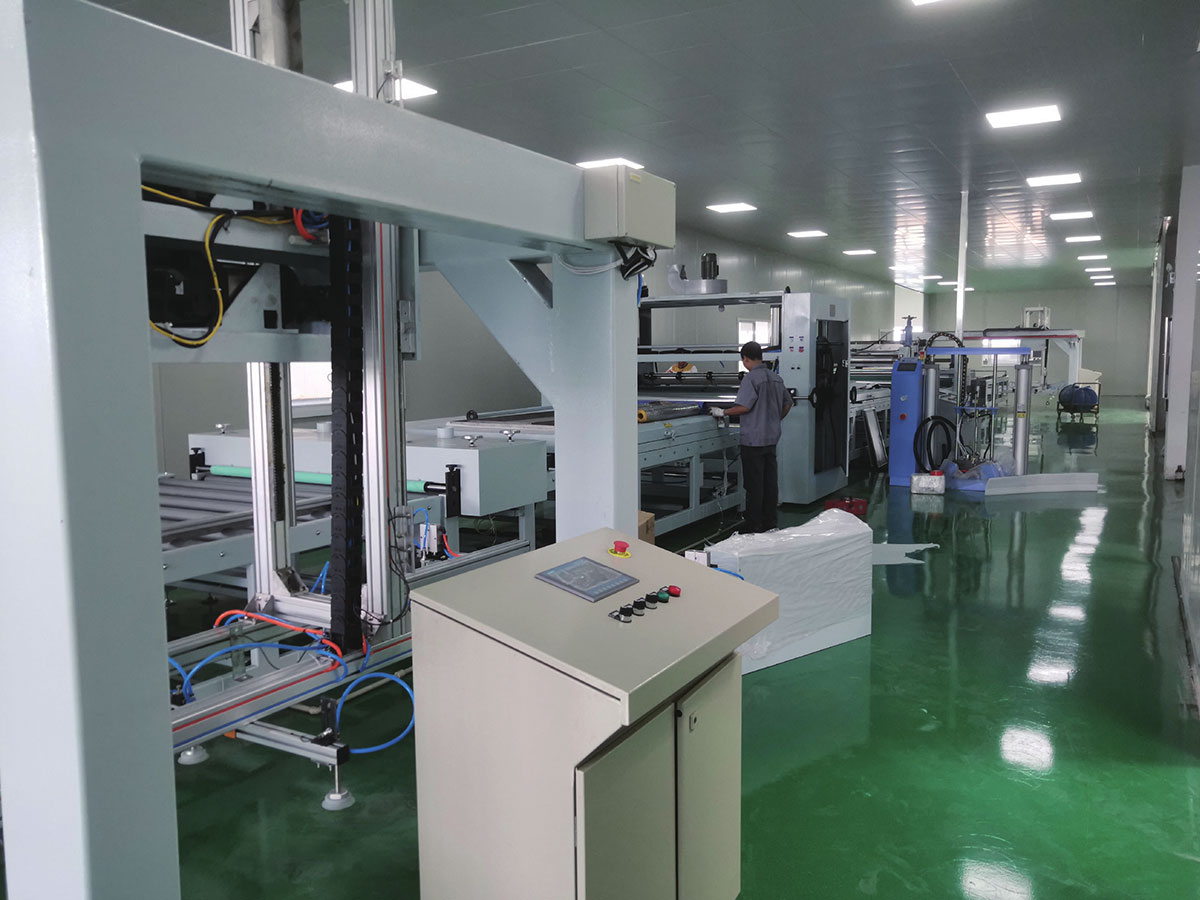
PE/B1-FR ACP Composite LineA flexible thermal lamination line producing PE and B1 fire-rated aluminum composite panels with PLC control and selectable roller lamination, serving the decorative and fire-rated segments outlined next.View Product →Where ACP Sheets Earn Their Keep
ACP sheets dominate four broad arenas. Building cladding, including rainscreens, soffits, and column covers, is the largest and the most demanding, since fire codes and weathering warranties both apply. Signage and wayfinding use thin PE-core sheet where formability and print quality matter more than fire rating. Interior decoration, from wall lining to ceilings, values flatness and finish variety, while transport bodies and industrial enclosures exploit the weight advantage.
The bar chart shows an approximate split of consumption across these arenas, drawn from common industry patterns rather than one audited survey. Facade cladding takes by far the largest share, and it is also the segment where certifications and coating warranties carry real commercial weight. Signage remains a steady volume base because thin PE-core sheet routes and prints quickly. Interior work grows with renovation cycles and reuses the same finish palettes as exterior projects. Transport and industrial demand is smaller in volume but often pays premiums for tight tolerances, which is why flexible lines that can switch grades tend to win where all four segments coexist.
Key Takeaways
The essentials fit on one list:
- Read the core first: PE, FR, or A2 decides both the price and where the sheet may be installed.
- Verify skin thickness, coating build, and peel strength with instruments, not brochures.
- Prefer panels from continuous lines with documented flatness and peel data.
- Match the core to the application: interiors tolerate PE, high-rise facades demand A2.
- For manufacturers, flexibility across core grades turns one production asset into several product markets.
Whether you specify panels or produce them, the same logic applies: the core defines the product, and the process behind the sheet defines the quality you can prove.