grammy@cjm.com.cn

 English
 русский
 Español
 عربى
عربى
Content
- 1 What does auxiliary equipment mean in manufacturing?
- 2 Four auxiliary equipment groups in continuous panel and coil lines
- 3 Why auxiliary equipment dictates real output performance
- 4 The hidden cost of auxiliary equipment neglect
- 5 Centralized or standalone auxiliary configurations
- 6 Selection criteria for auxiliary equipment in metal composite and coil coating lines
Picture a continuous metal composite line running at 12 meters per minute. The laminating section keeps its speed, yet the first coils show surface streaks, edge waviness, and occasional delamination. The fault is not in the main press. The core temperature drifts, the aluminum strip was not cleaned properly, and the recoiler applies uneven tension. These are all jobs assigned to auxiliary equipment, the support systems that decide whether the main machine can actually ship saleable output at its design speed.
What does auxiliary equipment mean in manufacturing?
Formally, auxiliary equipment means any machine or system that supports a primary process instead of performing that process itself. In plastic injection molding, auxiliary equipment includes hopper dryers, vacuum loaders, chillers, mold temperature controllers, and granulators. In dredging, it includes booster pumps, floating pipelines, and control systems that keep the dredger operating. On commercial vehicles, it includes tail lifts, winches, compressors, and hydraulic tool systems. In every case the pattern is the same: the main unit shapes, forms, or moves the product, and auxiliary units prepare, feed, cool, dry, finish, inspect, or handle material around it.
Calling a system auxiliary does not mean it is optional. On a metal composite panel line, the main laminator cannot create clean adhesion if the aluminum coil carries rolling oil into the nip. It cannot maintain bond strength if the core sheet arrives wet. It cannot produce a square panel if the winding tension changes every few minutes. The auxiliary functions define the practical working envelope of the whole line.
Four auxiliary equipment groups in continuous panel and coil lines
A continuous line for metal composite panels or coated coils follows the same sequence at every plant: strip entry, surface treatment, coating or lamination, curing, finishing, and recoiling. Four auxiliary groups appear in almost every layout. They decide how clean the strip is, how stable the process temperature is, how finished the product becomes, and how well the final coil is wound.
| Group | Primary task | Typical hardware | Result when ignored |
|---|---|---|---|
| Material preparation | Clean, heat, and align the strip before coating or lamination | Uncoilers, accumulators, pre-treatment cleaning lines | Coating misses, lamination voids, inconsistent adhesive wetting |
| Process conditioning | Control temperature, curing, and heat input during coating | Ovens, chillers, temperature control units, heating zones | Under-cured coating, bowed panels, forced line speed reduction |
| Surface finishing and conversion | Add texture, profile, film, or cut-to-length formats | Embossing machines, film laminators, grooving lines, shears | Low added value, extra handling, inability to deliver finished panels |
| Recoiling and handling | Maintain tension, correct shape, and build tight final coils | Coil rerolling lines, tension levellers, recoilers | Telescoped coils, edge damage, repeated strip breakage |
Material preparation and cleaning
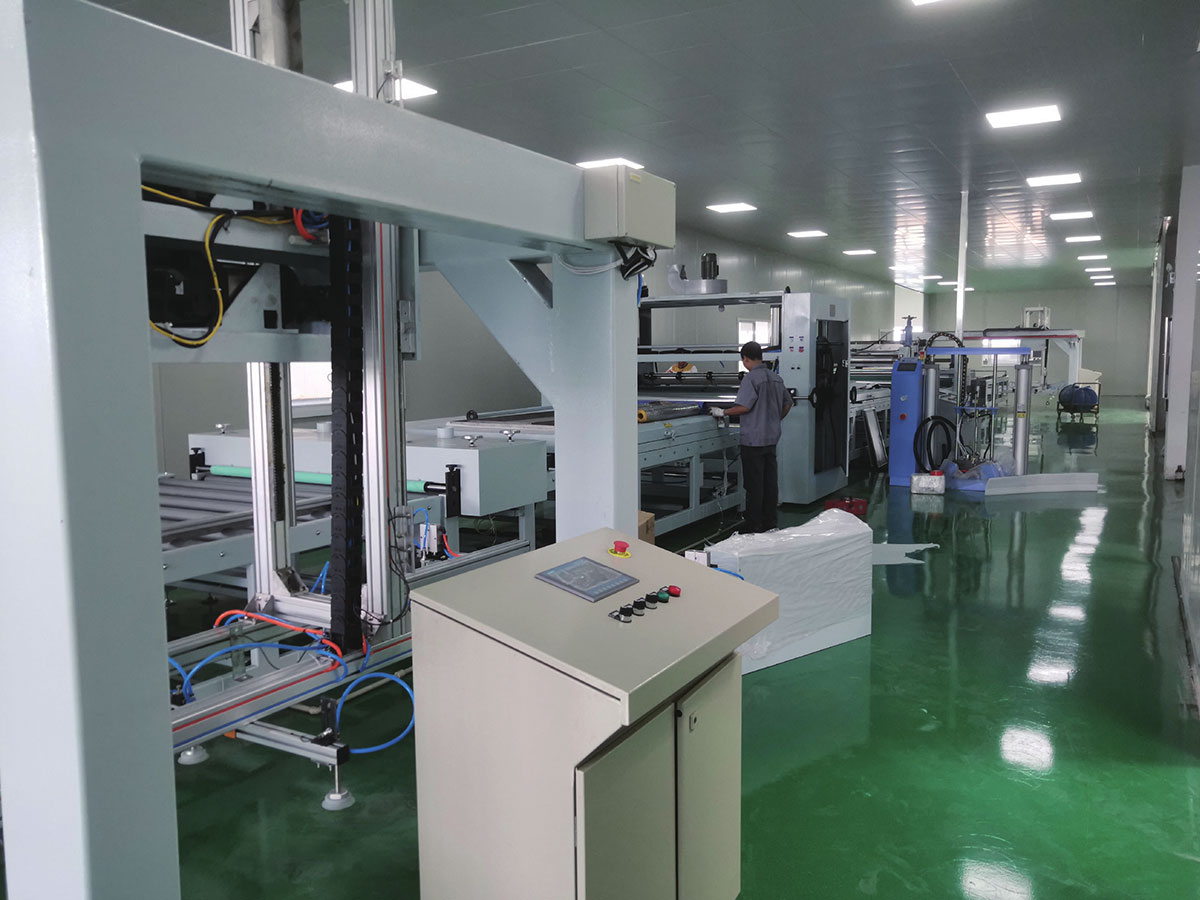
Before coating can bond reliably, the aluminum or steel surface must be free of rolling oil, dust, and oxide. A pre-treatment cleaning line controls the chemical bath concentration, rinse water temperature, and drying section. Its output directly changes coating adhesion and final corrosion resistance. A small pH drift can reduce the conversion layer weight enough that the coating starts peeling after a few days in the field.
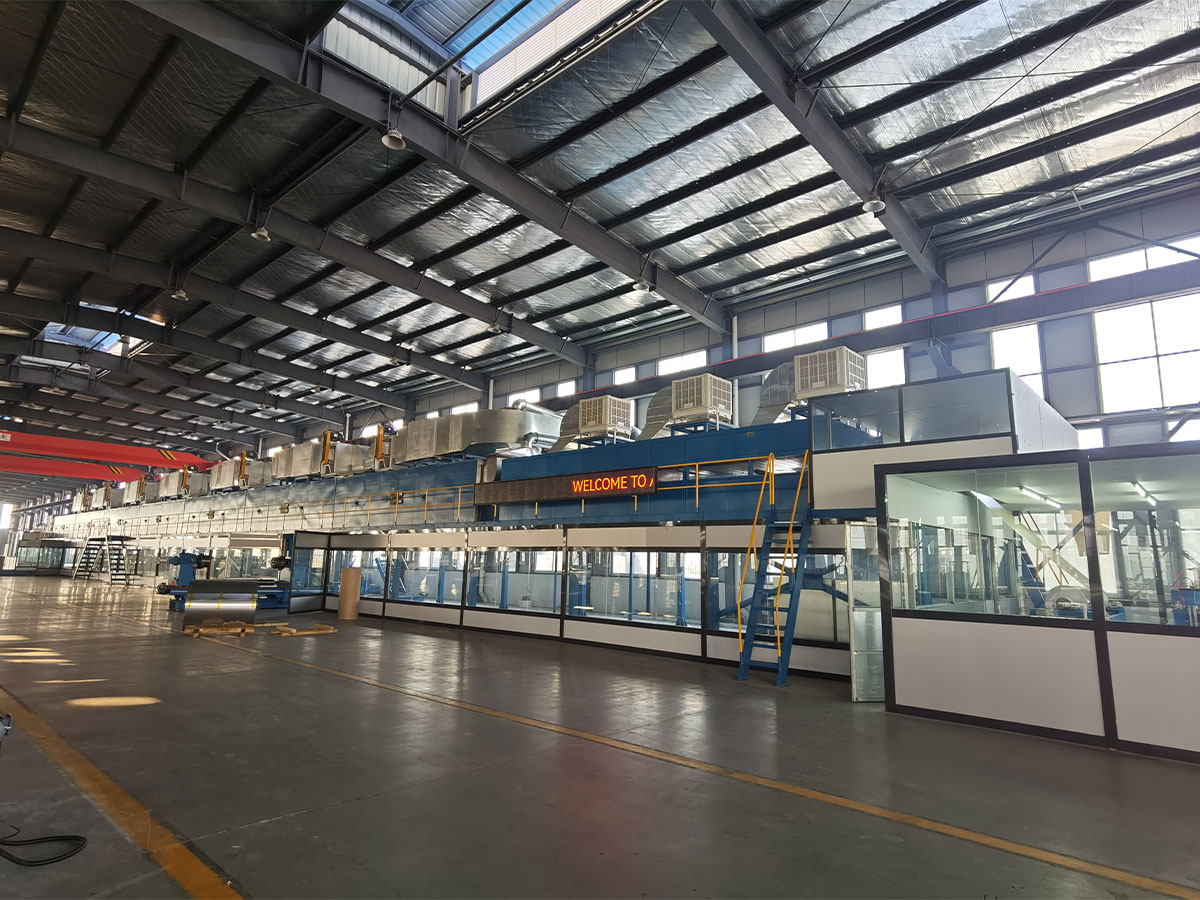
 Pretreatment Cleaning Line for Metal Coil Surface TreatmentThis cleaning line removes rolling oil, dust, and oxides before coating, directly affecting adhesion and corrosion resistance. The text emphasizes that even minor pH drift can cause coating failure, making this equipment critical for downstream quality.View Product →
Surface finishing and conversion
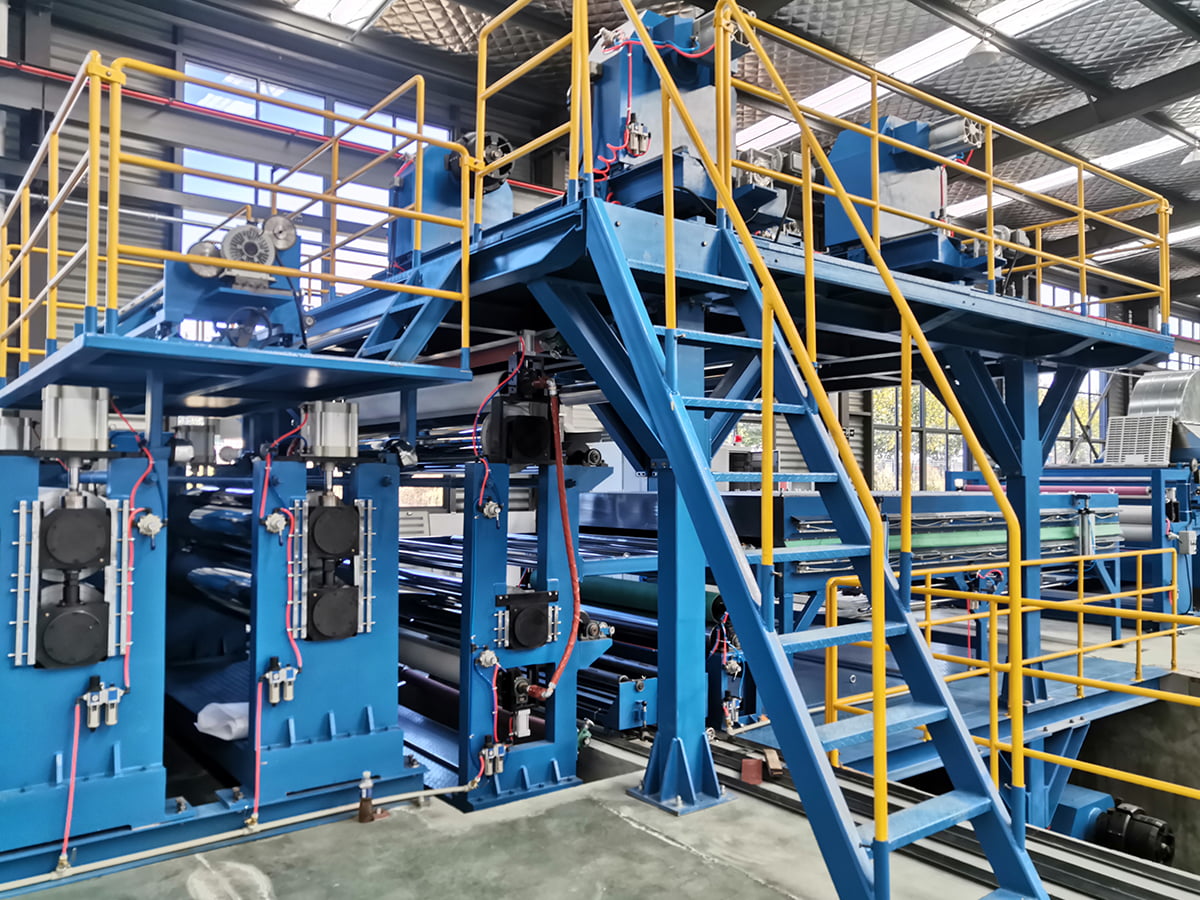
After lamination or coating, the material still has to become a product. Embossing machines add texture, film laminators apply protective or decorative film, and grooving and cutting equipment creates the widths and formats customers order. These machines normally sit downstream of the main process, but they control the delivered value of every square meter.
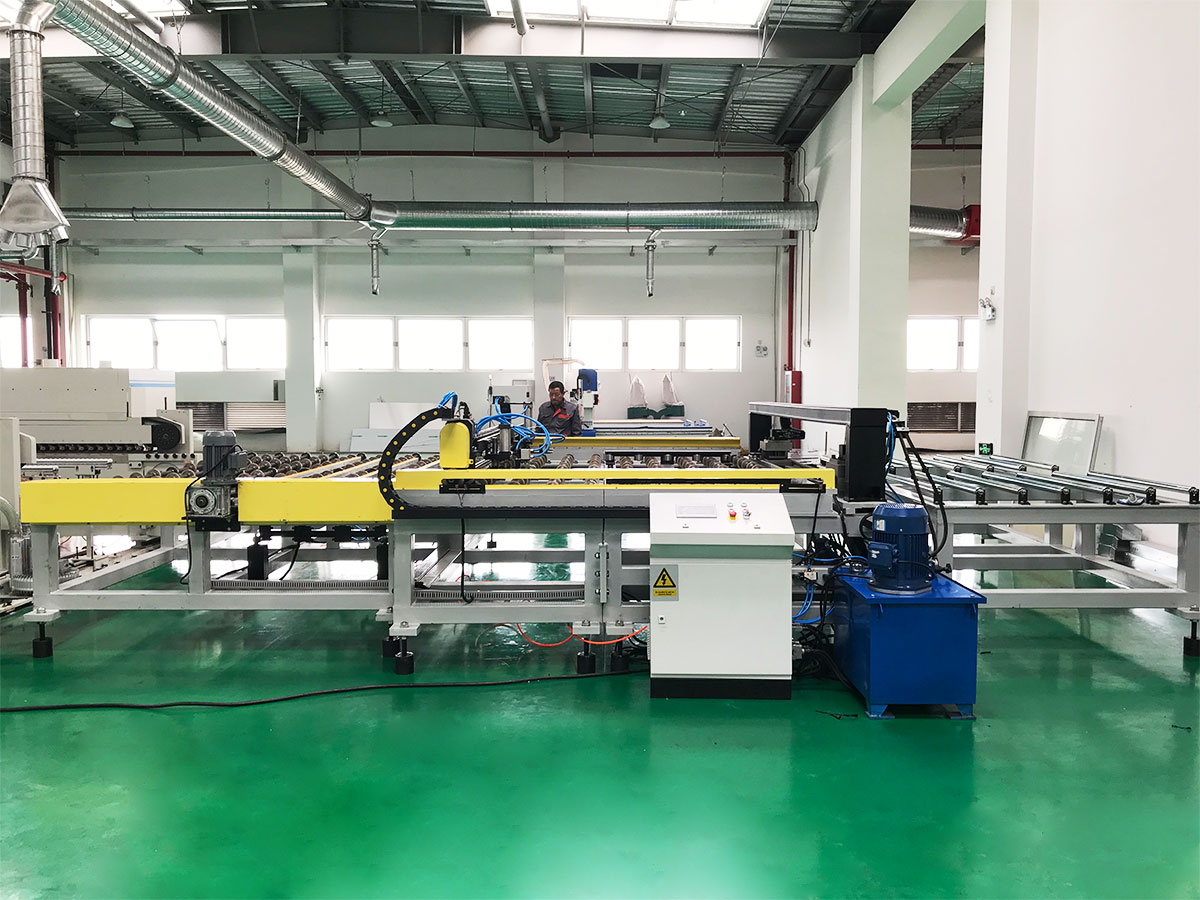
Embossing Machine for Adding Texture and Rigidity to PanelsAfter coating, embossing adds three-dimensional patterns that enhance aesthetics and structural strength. This machine controls the delivered value of each square meter, providing customizable textures and precision that meet customer specifications.View Product →
Recoiling and handling
Continuous process lines produce coils, not final products. A coil rerolling line rewinds slit or coated coils to remove defects, improve telescoping, and set the exact length or footage required by the next production step. Tension control is critical; uneven tension can stretch thin aluminum permanently and turn a saleable coil into scrap.
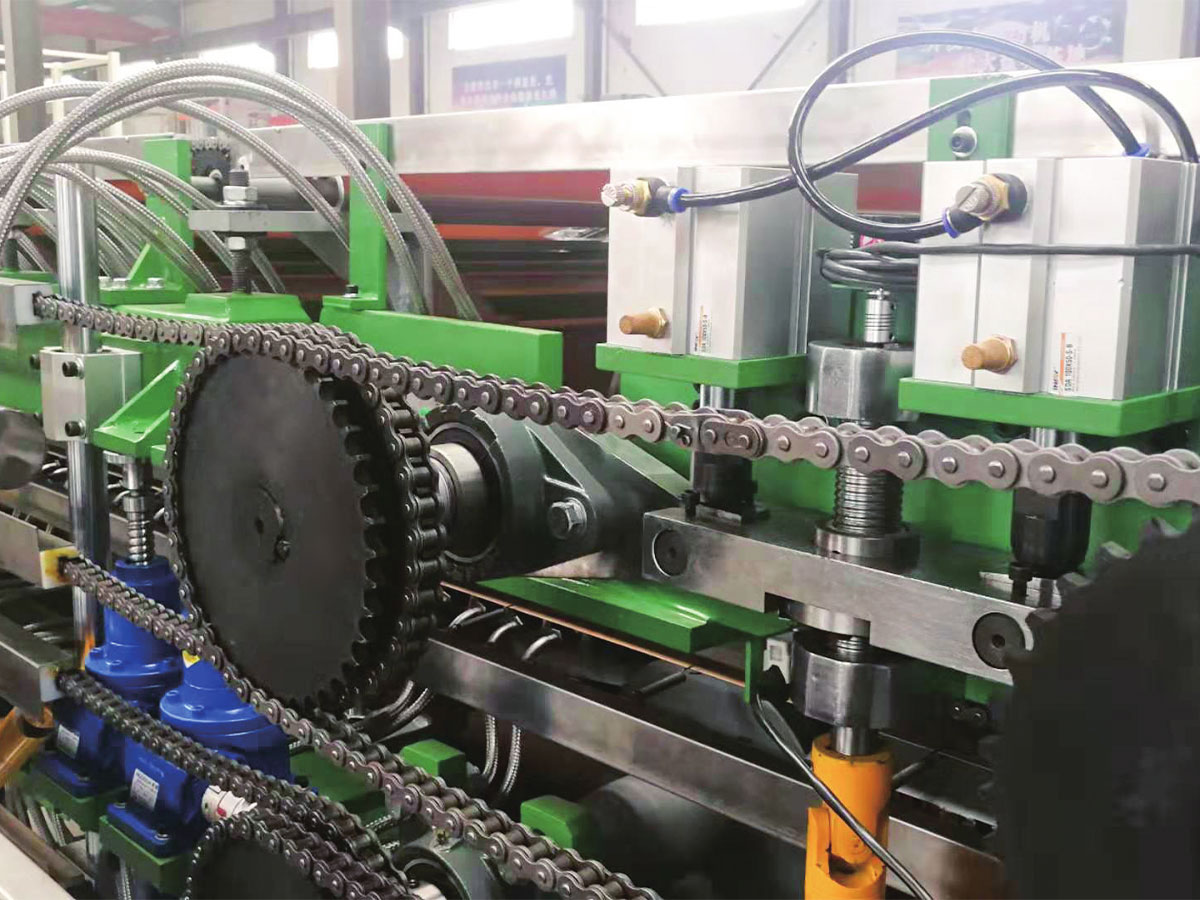
Coil Rerolling Production Line for Finishing and InspectionThis rerolling line rewinds, slits, and inspects coils to remove defects and set exact lengths. Tension control is vital because uneven tension can permanently damage thin aluminum, so this equipment directly determines whether a coil becomes saleable product.View Product →Why auxiliary equipment dictates real output performance
The primary machine sets a theoretical production speed. Auxiliary equipment decides what percentage of that theoretical speed becomes accepted product. This is why every auxiliary group deserves the same engineering attention as the main press or coating head.
Read this as a typical shape of contribution, not as numbers you can add together. Material preparation usually appears first because contamination at the entry section multiplies later defects. Temperature and curing control ranks second because coating and lamination depend on a stable heat curve. Surface finishing and conversion adds direct product value. Cutting and recoiling affects yield and handling loss. When the auxiliary groups work together, the line can consistently run close to its real design speed. When they do not, even the best main press cannot compensate.
Consider a coil coating line where the pre-treatment bath chemistry is checked only once a week. The pH drifts slowly, the conversion layer becomes uneven, and the line speed must be reduced to keep coating quality. The result shows up not as a sudden breakdown but as month after month of lost output.
The orange line shows what happens when equipment is neglected: downtime climbs from fifteen hours to over eighty hours within six months. The blue line, with routine checks and early parts replacement, stays below twenty hours. In a production line, each lost hour carries the gross margin of the entire output for that hour. The neglected line will also consume more spare parts after bearings and seals fail from continuous overwork. The warning signs are easy to read: delayed heating, varying tension, coating streaks, and low line speed. Act before these signs become hard mechanical damage.
Centralized or standalone auxiliary configurations
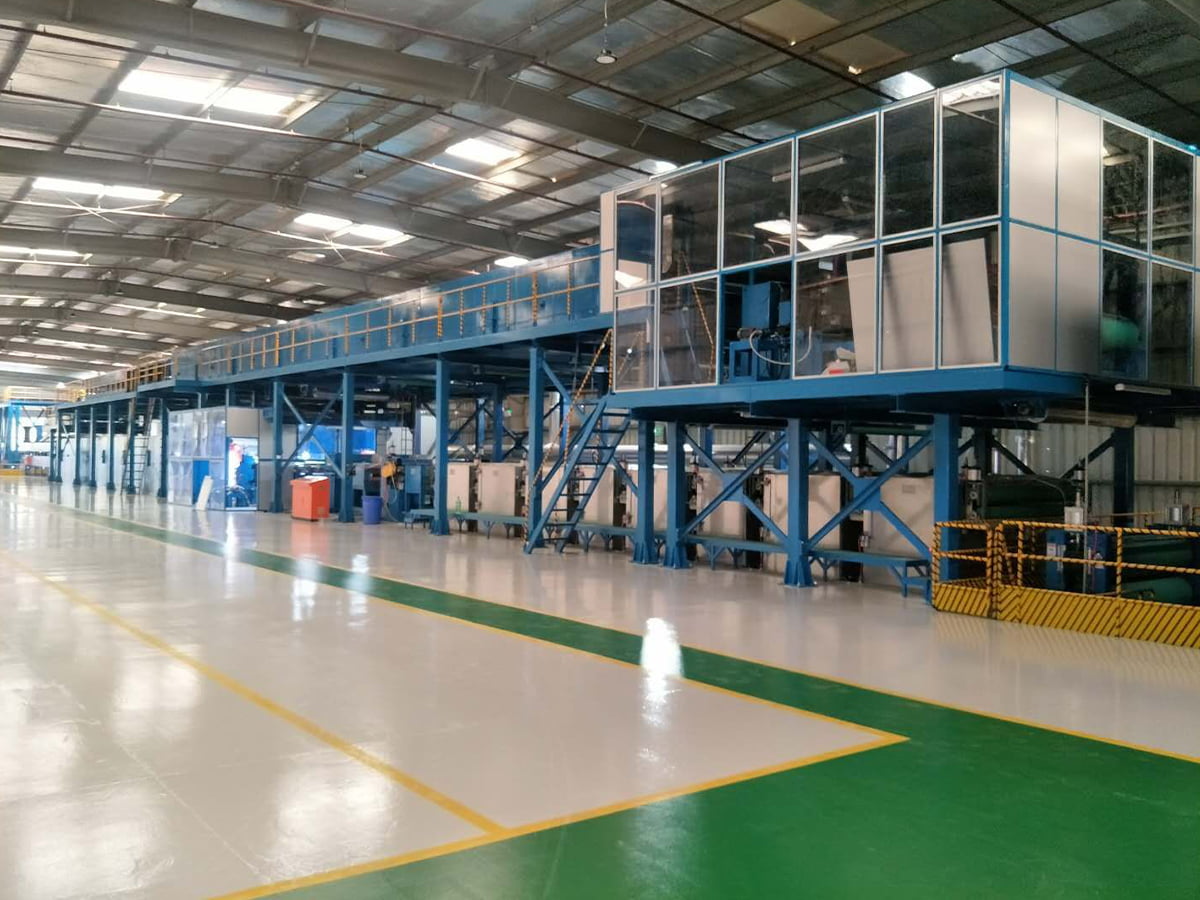
There are two practical layouts for auxiliary equipment. In a centralized configuration, one group of pumps, dryers, chillers, or monitors serves several lines through a distribution network. In a standalone configuration, each line carries its own dedicated machine. The choice changes the plant footprint, operating cost, and maintenance procedure.
The radar chart compares two typical configurations on six practical criteria. Centralized auxiliary equipment earns high scores on floor space, energy efficiency, ease of operation, and scalability because its shared infrastructure spreads cost across many lines. Standalone equipment earns high scores on cost effectiveness and redundancy because it avoids long distribution networks and keeps failures local. For a plant with a stable product mix and continuous operation, centralized systems usually deliver a lower operating cost. For a plant that runs many short job changes or special materials, standalone machines protect uptime better. The correct choice depends on your line count, shift plan, and material range.
| Criterion | Centralized | Standalone |
|---|---|---|
| Floor space | Compact, one station serves several lines | Larger footprint because every line has its own unit |
| Energy consumption | Better because pumps and drives are shared | Simpler but often more energy loss per line |
| Maintenance | Requires scheduled central maintenance | Unit can be isolated and repaired quickly |
| Redundancy | Lower; failure of the central unit stops many lines | High; each line has its own backup margin |
| Scalability | Harder to expand after the pipework is fixed | Easy, add one more dedicated machine |
Selection criteria for auxiliary equipment in metal composite and coil coating lines
Choose auxiliary equipment with the same discipline you use for the main unit. The selection process usually covers six areas.
- Speed matching: the auxiliary system must cover the fastest line speed plus 10 percent reserve.
- Material compatibility: define aluminum alloy, steel thickness, coil width, and surface chemistry before requesting a quote.
- Automation level: decide whether operators will load coils manually or start and stop from a central control room.
- Maintenance access: check component commonality and whether the unit can be isolated for repairs.
- Service response: confirm remote diagnosis and local spare parts availability.
- Future flexibility: leave space for a wider coil, a thicker substrate, or an additional coating head.
The chart shows a typical coil coating line that invested in a better pre-treatment station, additional dryer zones, and a new recoiler. The defect cost fell from $120,000 per year to $35,000 because cleaning and temperature control removed the main sources of coating failure. Material waste fell from $95,000 to $30,000 because the line stopped producing off-spec coils during startup and changeover. Energy cost dropped because the line no longer had to overheat the strip to compensate for unstable curing. Downtime cost fell from $140,000 to $38,000 as the new auxiliary units included remote monitoring and quicker access. The total annual saving is about $290,000, which usually pays for the upgrade within two years.
Look at your own line with the same eyes you would apply to a new investment. Identify which auxiliary function creates the most frequent rejects or stoppages, and compare it with the main machine capability. That single comparison often reveals a larger saving than replacing the main equipment. For a deeper understanding of line selection, review the complete guide to choosing a high-performance metal composite panel production line. You can also talk directly to the manufacturer about a configuration for your specific material mix and floor plan.