grammy@cjm.com.cn

 English
 русский
 Español
 عربى
عربى
Content
Unexpected stops are expensive. For a typical coil processing line, each hour of unplanned downtime can represent thousands of dollars in lost output, especially when crew members are waiting for spare parts or chasing a recurring sensor fault. The answer is not to run the equipment harder but to implement a structured preventive maintenance program built around daily checks, scheduled service, and honest record keeping. This article provides a practical guide to maintenance for coil processing equipment, with clear priorities, recommended frequencies, and the reasoning behind each step.
Why Preventive Maintenance Matters
A preventive maintenance program is the single most effective way to reduce downtime on a coil processing line. Regular checks catch small problems before they become major failures. For example, a worn bearing in the uncoiler can be replaced in minutes during a scheduled stop, but the same bearing can destroy a shaft and stop production for a full day if left unattended. Preventive maintenance also stabilizes output quality because it keeps tension, alignment, and cutting clearances within specification. The cost of prevention is usually less than 5 percent of the total maintenance budget, while the cost of unplanned downtime can be far higher.
The chart above shows how annual downtime changes as the maintenance interval is extended. A line that receives a full preventive check every week experiences the fewest stoppages. Moving from a one-week interval to a four-week interval increases annual downtime by more than 12 hours. After six weeks, the curve becomes noticeably steeper. Most plants find that a one-week interval for routine inspection and a four-week interval for deeper service keeps downtime stable without overloading the maintenance crew.
Daily and Weekly Maintenance Checks
Daily and weekly checks are small in effort but large in impact. They take about 15 minutes per shift and catch most of the failures that lead to mid-week stoppages. The goal is to inspect what changes fast: oil levels, air pressure, sensor alignment, fasteners, and wear parts. The table below lists the baseline tasks for a coil processing line.
| Frequency | Check item | What to look for |
|---|---|---|
| Daily | Strip guiding sensors | Dust, misalignment, false triggering |
| Daily | Uncoiler mandrel and grippers | Wear marks, cracks, low air pressure |
| Daily | Cutting and punching tooling | Chips, dull edges, loose inserts |
| Weekly | Hydraulic oil level and temperature | Visible leaks, contamination, overheating |
| Weekly | Tension system calibration | Reading accuracy, air supply stability |
| Weekly | Fasteners and locking devices | Loose bolts, missing pins, worn washers |
| Weekly | Safety interlocks | Function test, reset behavior |
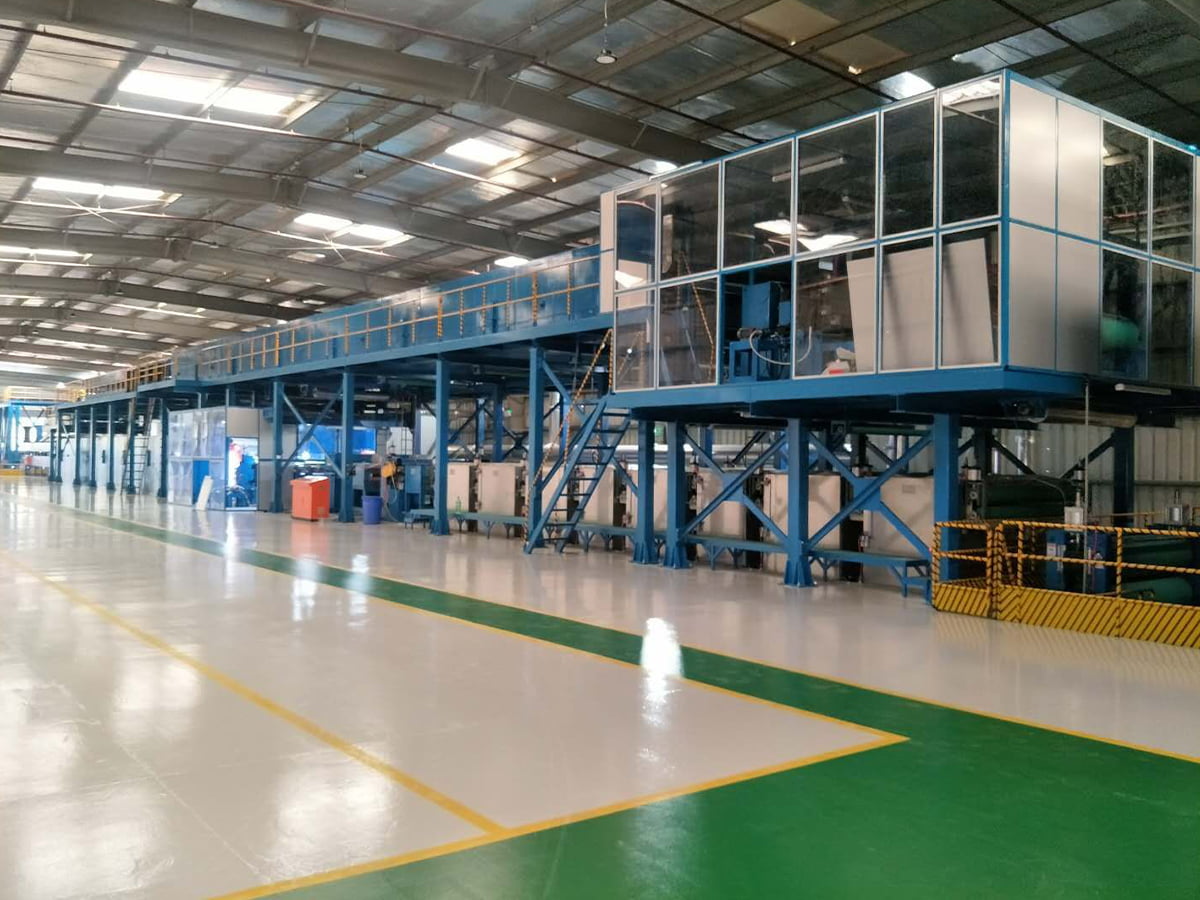
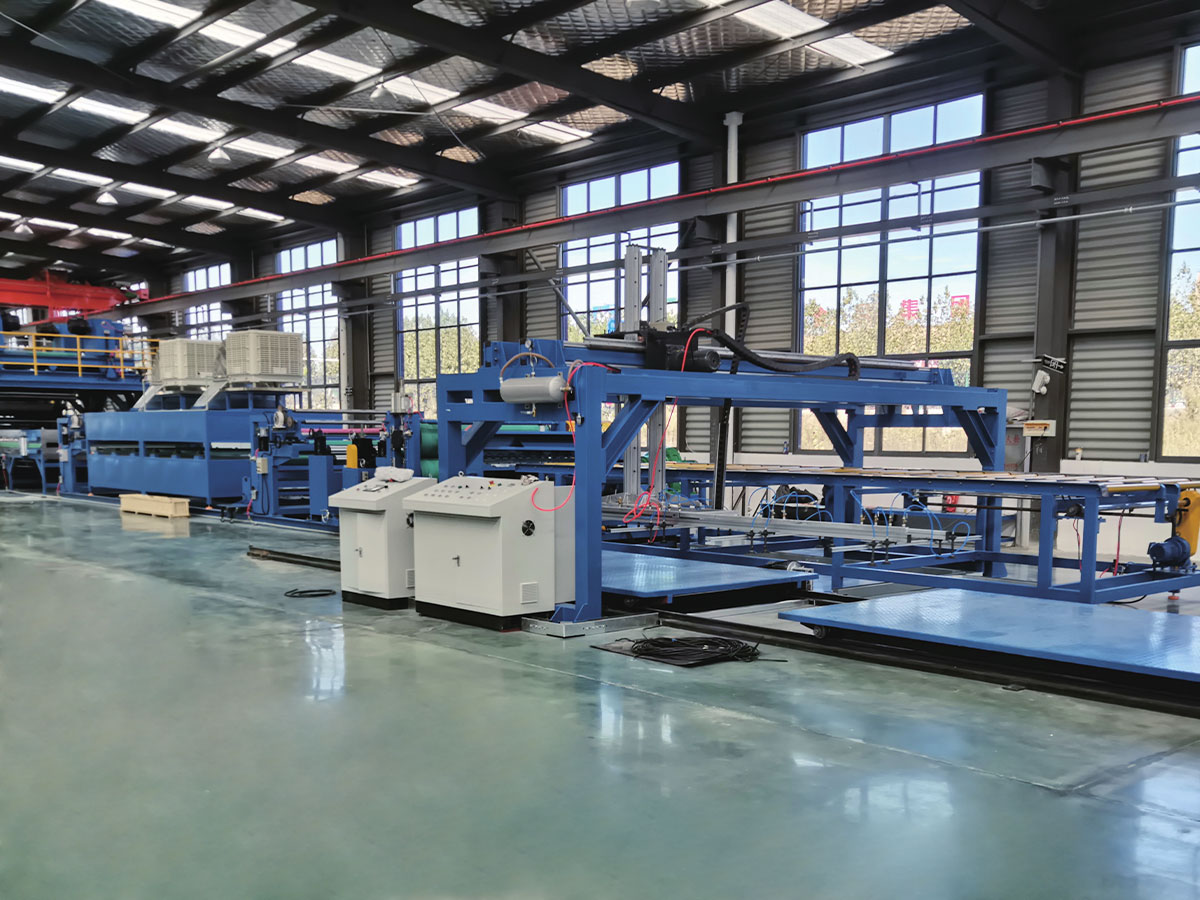
Built-in inspection windows and color-coded lubrication points reduce the time needed for these daily checks on high-speed lines such as our aluminum-steel coil coating and printing line. A short walk-around before each shift lets operators spot oil drips, strange noises, or worn tooling before a minor issue becomes a major repair.
 Aluminum/Steel Coil Coating and Printing Line Supplier, FactoryJiangSu XieCheng is a China aluminum/steel coil coating & printing line supplier and factory, we offer professional aluminum/steel coil c...View Product →
Monthly and Quarterly Service
Monthly and quarterly service protects the systems that are easy to overlook during daily operation. Hydraulic power units, electric cabinets, and mechanical drives accumulate wear that is not visible in a quick walk-by. A monthly service should include oil sampling, terminal torque checks, and a run test of all safety functions. Quarterly service should add alignment verification, drive belt inspection, and a review of control parameters.
The chart below shows a typical distribution of failure causes for coil processing equipment. Hydraulic issues are the most common source of unplanned stops. Electrical faults follow closely, often from loose terminals or worn contactors. Mechanical drive problems are less frequent but cause longer repairs. By checking hydraulic oil condition and retorquing electric terminals monthly, you eliminate the two largest failure groups.
Component-Specific Maintenance
Each major component of a coil processing line needs its own maintenance rhythm. The horizontal bars illustrate how much labor each component group normally absorbs during a month. Drive systems and levelers demand the most attention because they directly affect material shape and line speed. The uncoiler and slitter need shorter but more frequent visual checks, while the hydraulic unit benefits from a focused monthly service rather than weekly tinkering.
The horizontal bars above show the typical monthly maintenance workload for the main component groups on a coil processing line. Drive systems require the most attention because they involve belts, couplings, and gearboxes. The leveler follows closely, since roll condition directly affects strip flatness. The uncoiler and slitter need less time but still require daily visual checks. Allocating labor according to this profile prevents the popular habit of only reacting to noisy components.
Leveler and Roller Tables
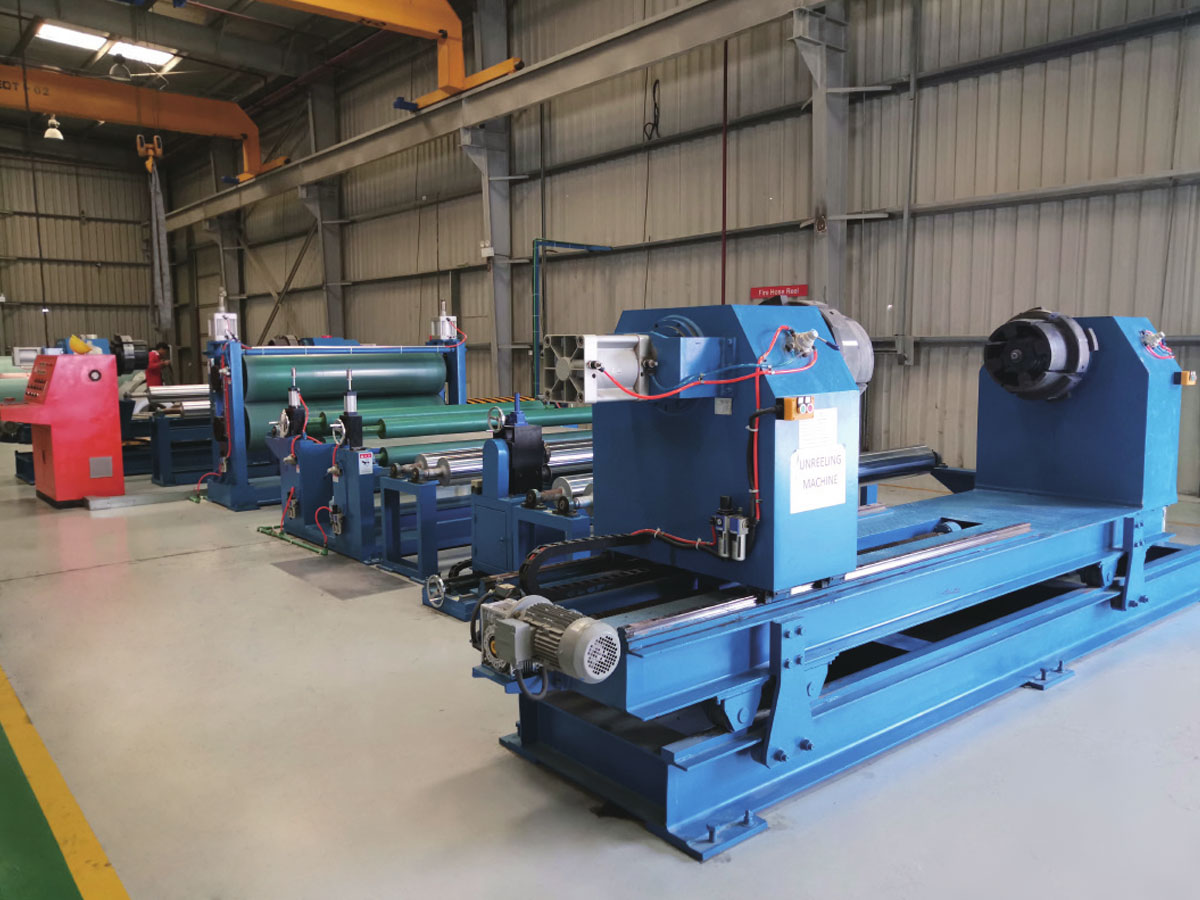
The leveler is the heartbeat of flatness control. Roll wear changes the gap profile, and even a small variation shows up as edge waviness or center buckles. Weekly inspection of roll surfaces, bearing temperatures, and gap setpoints is recommended. Our three-roller levelling machine uses a split housing that makes roll removal much quicker during weekly inspection, reducing the time needed for this routine.
Hydraulic Power Units
Hydraulic oil drives most positioning and clamping functions. Monthly oil sampling catches water contamination and particle buildup before they cause pump wear. If oil temperature rises above 60 degrees Celsius, check the cooler and pressure relief settings. A clear drain valve on the tank makes water sampling simpler, and a small logbook next to the unit helps operators record top-up volumes consistently.
Composite Panel Line Specifics
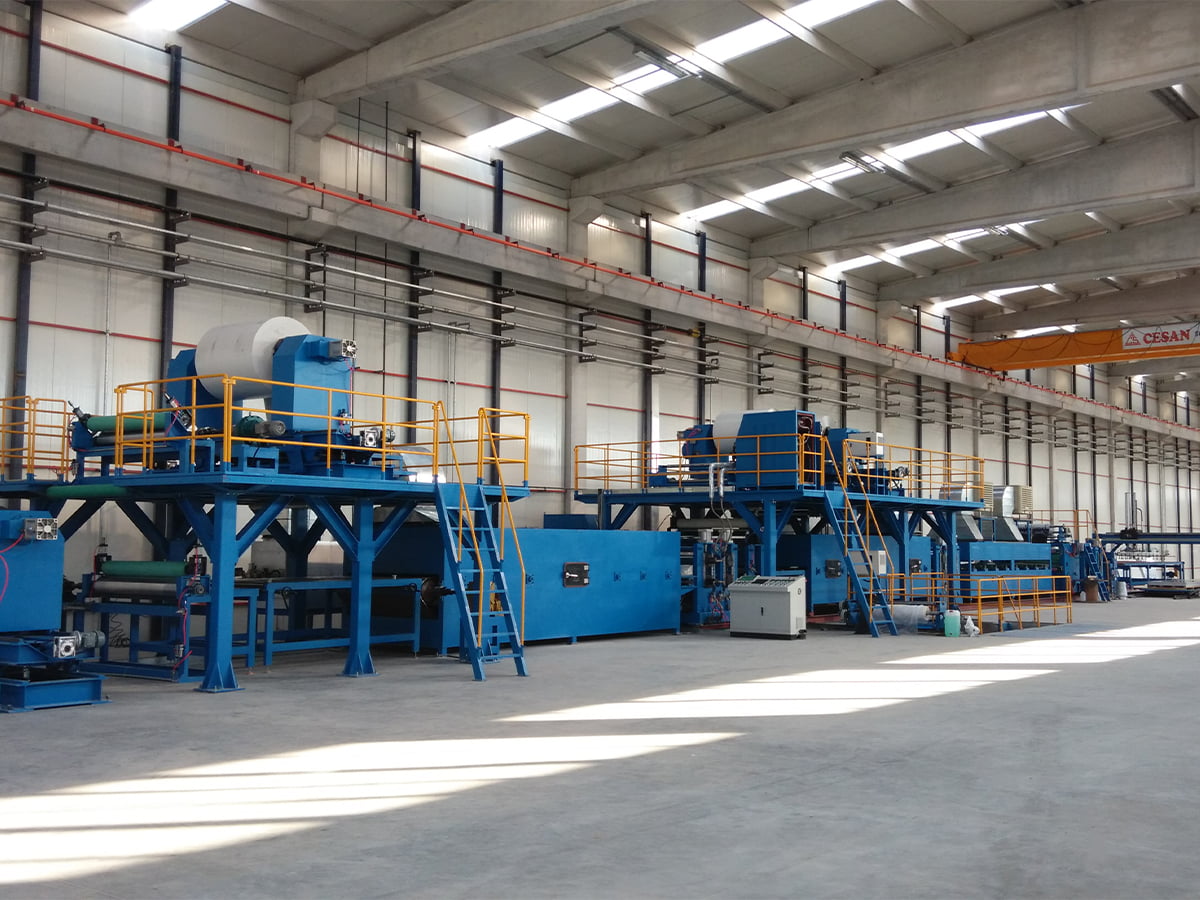
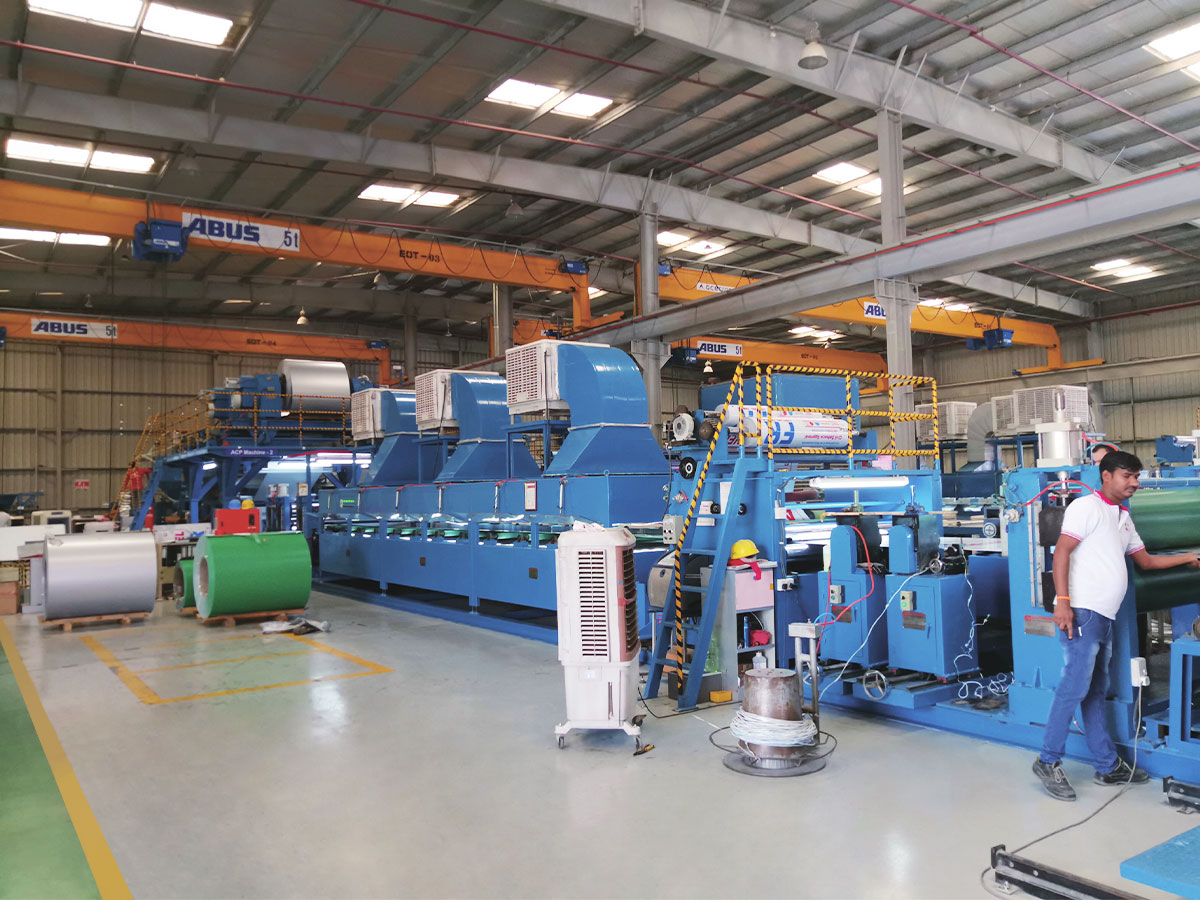
On a metal composite panel line, regular greasing of the roller table and calibration of the heating zone are essential; our A2 metal composite panel production line is designed with accessible lubrication ports to make this routine faster. This line also has a quick-release filter housing on the cooling circuit, which shortens the quarterly service time by about 30 percent.
OEM A2 Metal Composite Panel Production Line Supplier, Factory - JiangSu XieChenJiangSu XieCheng is a China A2 Metal Composite Panel Production Line supplier and OEM factory, we provide professional A2 Metal Composite...View Product →Spare Parts Management
A well-stocked spare parts room is the difference between a one-hour repair and a two-day shutdown. The goal is to carry the parts that fail most often or take the longest to procure, without turning the store into an unused warehouse. Critical spares usually include sensors, hydraulic hoses, filters, V-belts, cutting blades, and roll bearing cartridges. Each spare should be tagged with the machine model, part number, and a minimum stock level. When a part is used, the maintenance record must be updated on the same day so the reorder cycle stays accurate.
The radar chart above compares two maintenance strategies across five important factors. Preventive maintenance with a stocked spare parts room scores high on uptime, cost control, safety, equipment life, and planning confidence. A reactive approach scores low on every axis, especially planning confidence and equipment life. The shape of the preventive polygon is broad and near the edge, while the reactive polygon collapses toward the center. This visual makes it easy to justify a small stock of critical spares even if the initial cost seems high.
Training and Documentation
Operator and maintenance training turns a checklist into a culture. A line that is well understood by its crew leaks less oil, runs smoother, and reports problems before they wake someone up at night. Training should cover daily inspection tasks, safe lockout procedures, and basic troubleshooting. Documentation is equally important: every repair, part replacement, and calibration should be logged with the date, the person, and the reading. These records help predict when a component will need service again. If you need support building this program, contact our service team and they can review your line setup and provide a custom maintenance plan.
Partnering with the Equipment Builder
Working with the original equipment manufacturer for service support can extend the life of a line by years. An OEM knows the design margin of each component and can advise when a small repair is safe and when it is a warning of a larger problem. At our company, we supply not only complete coil processing lines but also remote diagnostic support, onsite installation and commissioning, and a spare parts catalog matched to each machine. This close connection between design, manufacturing, and after-sales service means the maintenance procedures recommended for our lines are based on real operating data, not generic laboratory estimates.
A maintenance program for coil processing equipment does not need to be complicated. Start with the daily and weekly checks, build a monthly and quarterly service rhythm, stock the right spares, and keep training your crew. The result is predictable output, fewer emergency repairs, and a longer working life for every component on your line.