grammy@cjm.com.cn

 English
 русский
 Español
 عربى
عربى
Content
- 1 Consistent Product Quality Across Every Panel
- 2 Faster Production Cycles and Higher Daily Output
- 3 Reduced Dependence on Highly Skilled Manual Labor
- 4 Scalability to Meet Growing Demand
- 5 Better Material Utilization and Cost Control
- 6 Consistent Panel Flatness and Structural Performance
- 7 Improved Working Conditions and Reduced Physical Strain
- 8 Stronger Quality Documentation for Customer Confidence
- 9 Long-Term Return on Investment
- 10 Who Benefits Most From These Advantages
A metal composite panel production line delivers its greatest value through consistent product quality, faster production cycles, reduced dependency on skilled manual labor, and the ability to scale output to meet growing order volumes without proportionally increasing staffing. By automating lamination temperature, roller pressure, and cutting precision, manufacturers eliminate much of the variability that manual fabrication introduces from batch to batch. Production benchmarking data commonly referenced across composite panel manufacturing indicates that facilities transitioning from manual to automated lines often see first-pass yield improve by a significant margin, directly reducing rework and material loss across large production runs.
Consistent Product Quality Across Every Panel
Manual lamination processes are inherently subject to human variation, since pressure, timing, and temperature application can differ slightly from one operator or shift to the next. An automated line removes much of this inconsistency.
Sources of Improved Consistency
- Programmed temperature control maintains identical bonding conditions across the full length of every panel
- Automated roller pressure eliminates the uneven bonding that can occur with manual lamination technique
- Standardized cutting and trimming produces uniform panel dimensions across an entire production batch
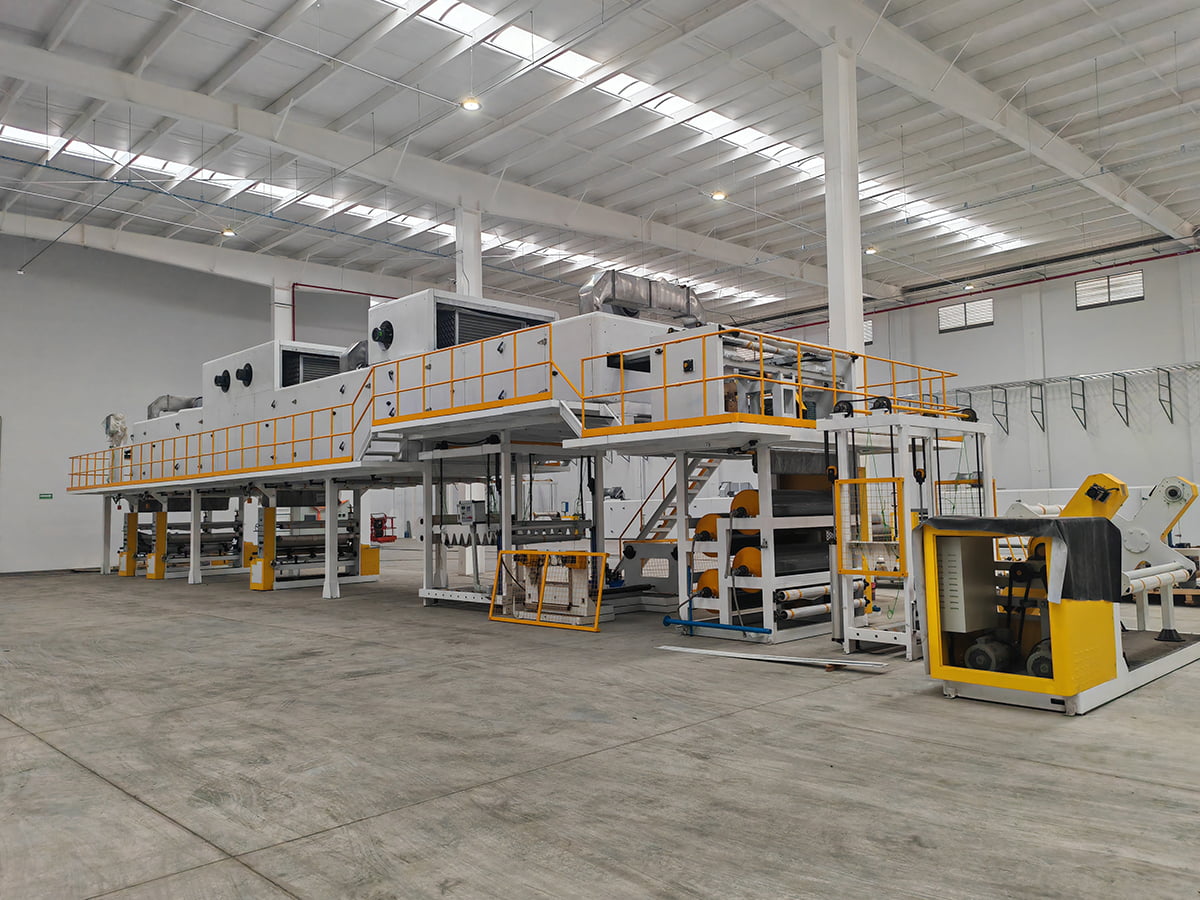
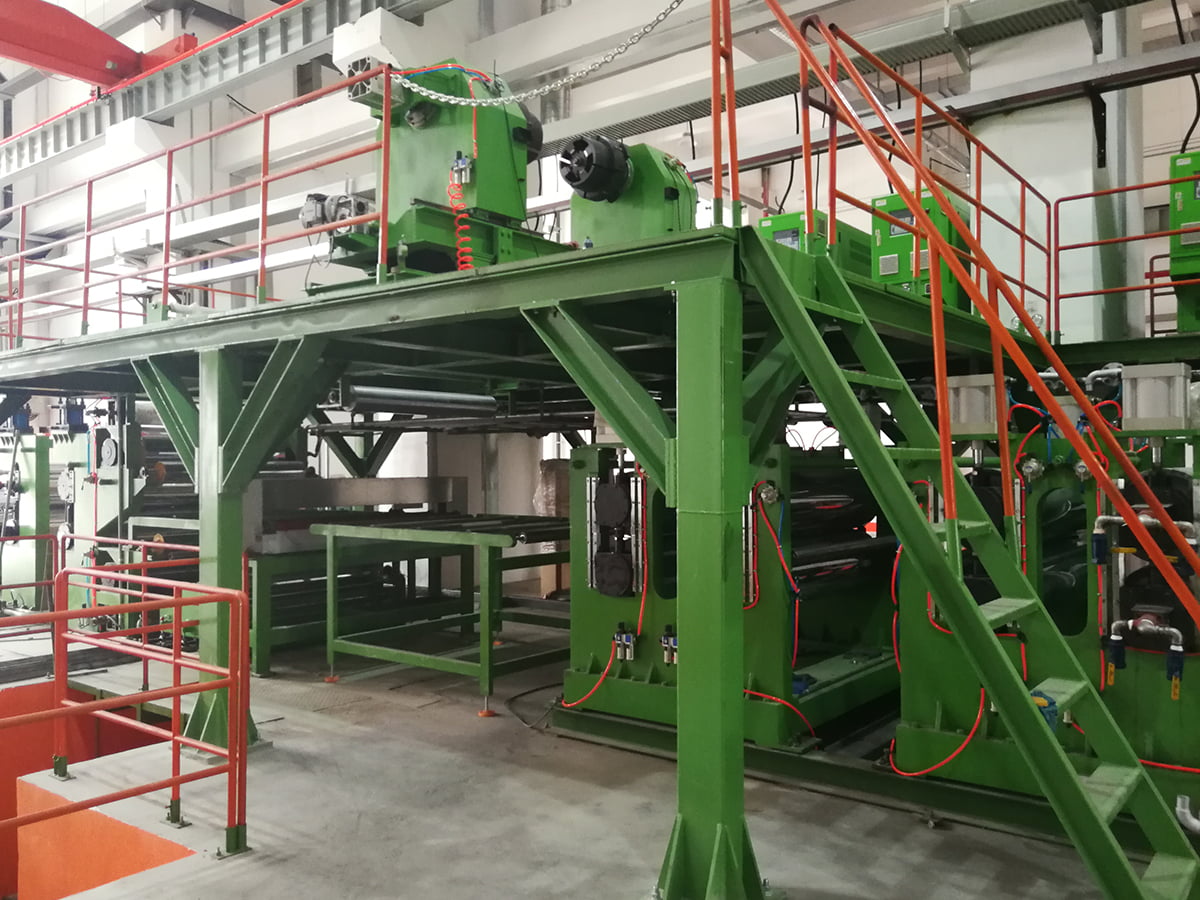
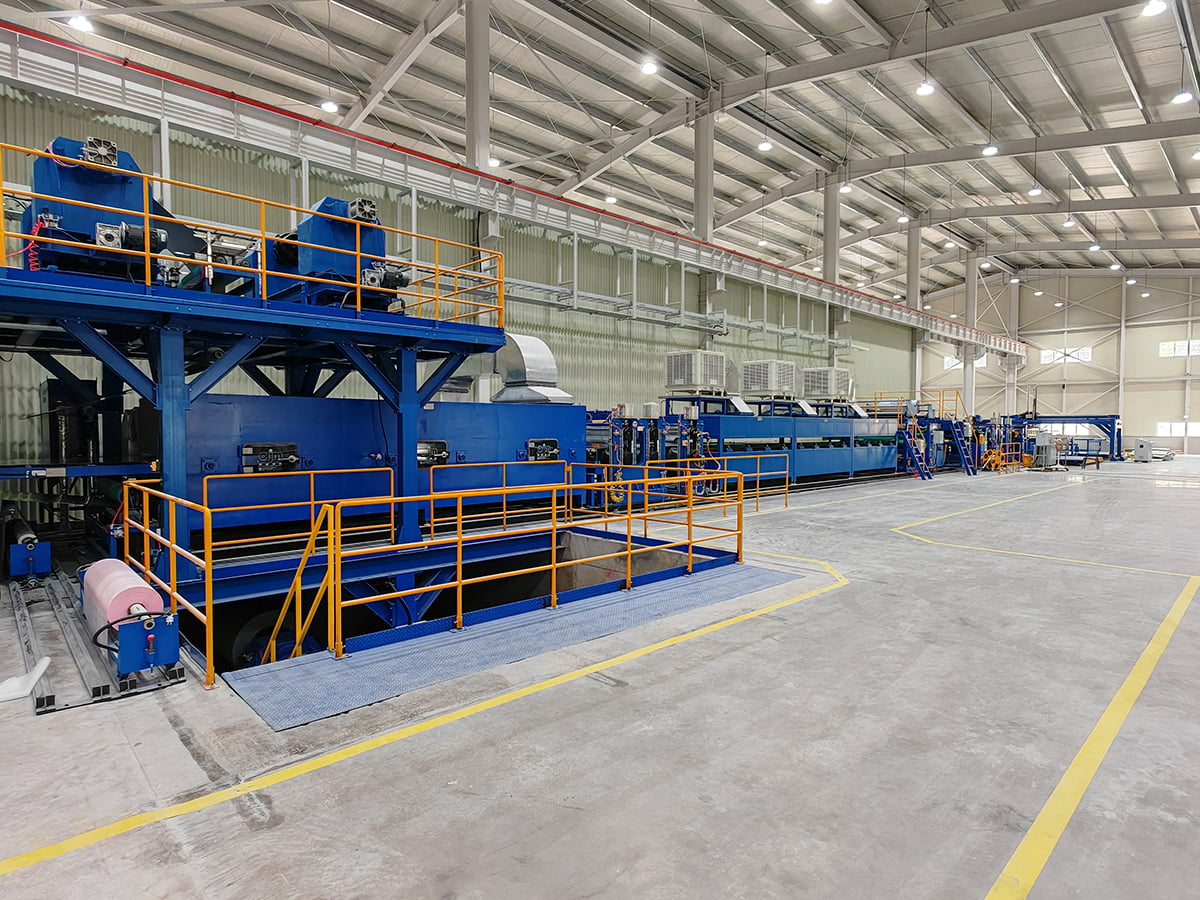
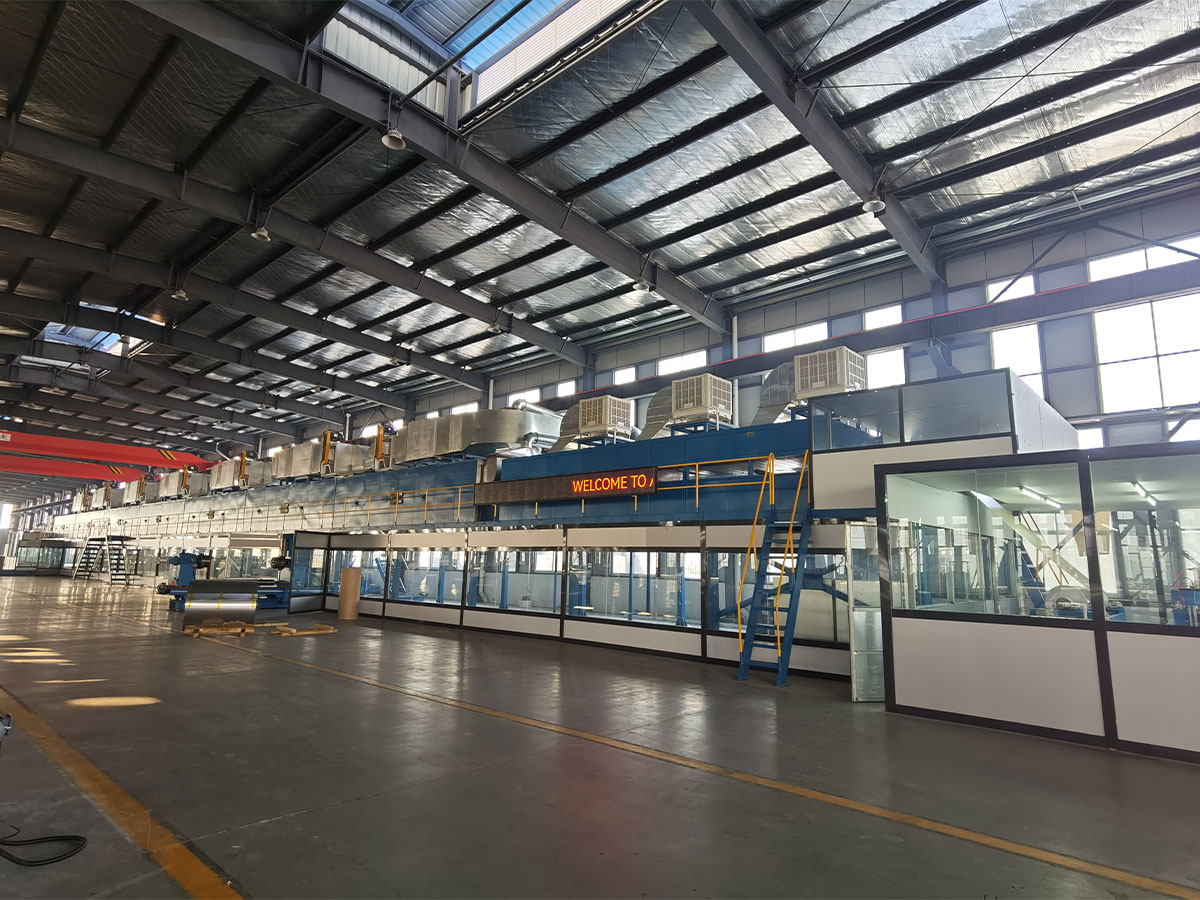
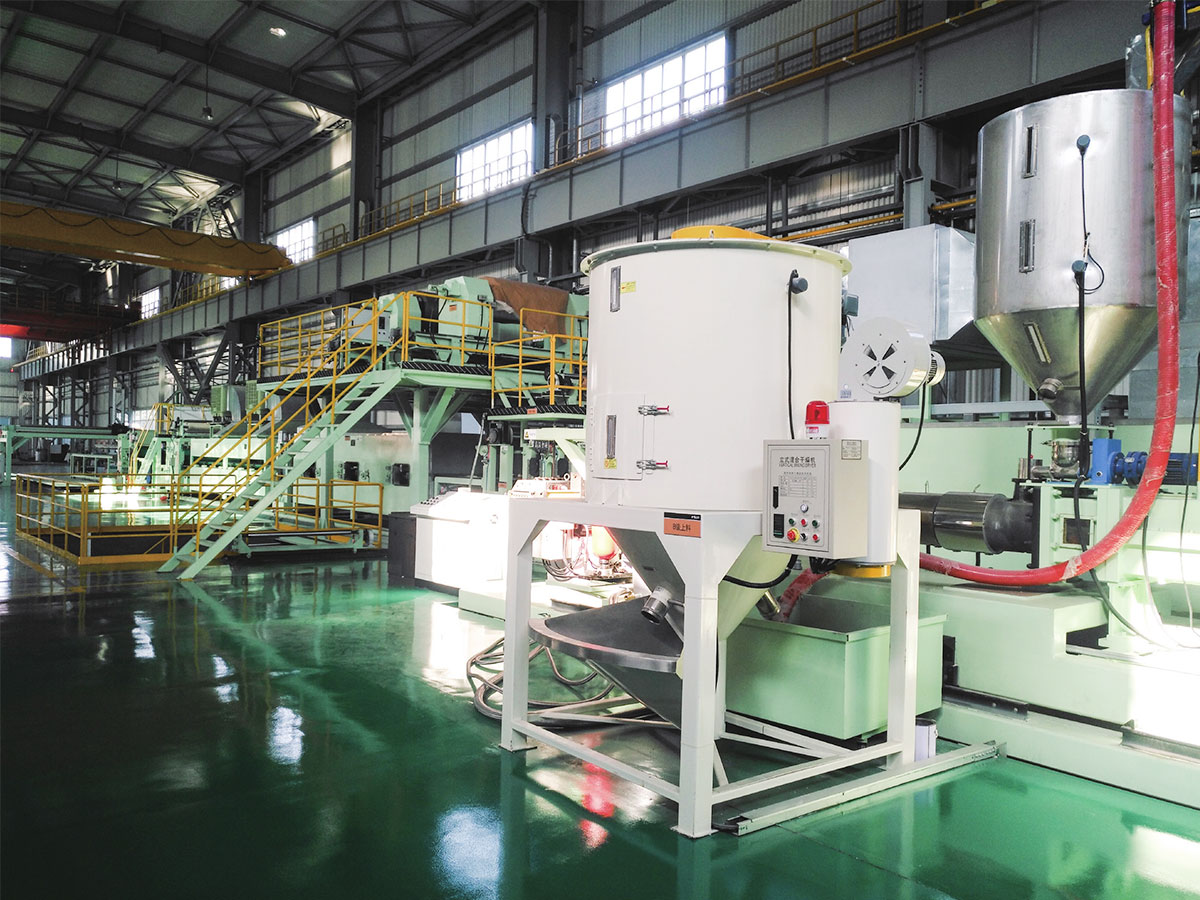
A properly calibrated Metal Composite Panel Production Line ensures that the tenth panel produced in a shift meets the same quality standard as the first, a level of consistency manual lamination methods struggle to match over long production runs.
Faster Production Cycles and Higher Daily Output
Speed is one of the most tangible advantages an automated line offers, since continuous processing removes the setup and adjustment delays that interrupt manual production between panels.
Cycle Time Comparison
| Production Approach | Relative Output Speed |
| Manual or semi-manual lamination | Slower, interrupted by manual adjustments |
| Automated production line | Faster, continuous processing with minimal downtime |
This increased speed allows manufacturers to fulfill larger orders within tighter deadlines, which becomes particularly important when competing for commercial construction or signage contracts with strict delivery timelines.
Reduced Dependence on Highly Skilled Manual Labor
Manual lamination traditionally requires experienced operators who have developed a feel for correct pressure and timing through years of hands-on practice, making skilled labor both scarce and costly to retain.
How Automation Changes Staffing Needs
- Process parameters are programmed once and repeated consistently, reducing reliance on operator judgment
- New staff can be trained more quickly to monitor and operate automated systems than to master manual lamination technique
- Reduced turnover risk, since production quality is less dependent on retaining specific experienced individuals
This shift allows manufacturers to maintain consistent output quality even during periods of staff turnover, which is a common operational challenge in facilities still relying heavily on manual production expertise.
Scalability to Meet Growing Demand
As order volumes grow, manual production methods often hit a throughput ceiling that cannot be resolved simply by adding more workers, since coordination and consistency become harder to maintain across larger manual teams.
Why Automated Lines Scale More Effectively
An automated line's output is governed primarily by conveyor speed and cycle timing rather than the number of available skilled operators, allowing manufacturers to increase shift hours or add a second line more predictably than scaling a manual workforce.
Supporting Larger Commercial Contracts
This scalability makes automated production particularly valuable for manufacturers pursuing larger commercial cladding or signage contracts, where consistent, high-volume delivery capability is often a prerequisite for winning the business in the first place.
Better Material Utilization and Cost Control
Automated lines typically achieve more efficient material usage than manual processes, since programmed cutting patterns and consistent bonding quality both contribute to lower overall waste.
Where Material Savings Come From
- Optimized cutting sequences minimize aluminum coil trim waste at the edges of each panel
- Fewer bonding defects mean fewer panels scrapped due to delamination or surface flaws
- Consistent core material placement reduces the over-application common in manual lamination
These material savings compound significantly over high-volume production runs, since aluminum and core material represent a substantial portion of the overall cost of producing composite panels.
Consistent Panel Flatness and Structural Performance
Beyond surface bonding quality, an automated line also improves panel flatness, a factor that directly affects how well finished panels perform once installed on a building facade or signage structure.
Why Flatness Matters for Installation
Panels with inconsistent flatness can create visible waviness once mounted, particularly under changing light conditions on large building facades, and can also complicate installation by requiring additional shimming or adjustment at the mounting frame.
How Automated Cooling Supports Flatness
Controlled cooling stages built into automated lines allow the bonded panel to cure evenly as it moves through the system, reducing the internal stress that can otherwise cause warping, a risk that increases significantly when panels cool unevenly during manual handling.
Improved Working Conditions and Reduced Physical Strain
Automated production lines also change the nature of factory labor, shifting workers away from physically repetitive tasks and toward monitoring and quality control roles that carry lower injury risk over time.
How Automation Reduces Physical Demands
- Mechanized material feeding reduces repetitive lifting and manual coil handling
- Automated cutting and stacking limits repeated bending and reaching motions common in manual production
- Reduced direct contact with hot lamination surfaces lowers burn and injury risk for line staff
Over time, these ergonomic improvements can contribute to lower workplace injury rates and reduced absenteeism, both of which support more stable production planning across extended operating periods.
Stronger Quality Documentation for Customer Confidence
Automated production lines often generate process data logs covering temperature, pressure, and line speed for each production run, providing documentation that manual processes typically cannot offer.
Why Documentation Matters to Buyers
Commercial construction clients and architects specifying composite panels for large projects increasingly expect traceable quality documentation, and manufacturers able to provide production data records for their panels often have a competitive advantage when bidding on larger projects.
Supporting Warranty and Compliance Claims
Detailed production records also help manufacturers respond more effectively to any post-installation performance questions, since specific batch data can be reviewed to confirm the panel in question was produced within normal process parameters.
Long-Term Return on Investment
While the upfront cost of an automated line exceeds that of manual lamination equipment, the combined savings in labor, material waste, and rework typically deliver a favorable return over a reasonable operating period.
Calculating the Payback Timeline
Manufacturers evaluating a Metal Composite Panel Production Line investment should weigh reduced labor costs, lower scrap rates, and increased throughput capacity against the initial equipment cost, since these combined savings often offset the investment within a few years of consistent production volume.
Who Benefits Most From These Advantages
Manufacturers experiencing consistent order growth, pursuing larger commercial contracts, or struggling with quality variability from manual production methods stand to gain the most from investing in an automated production line. Facilities aiming to reduce dependency on a small number of highly skilled operators, while improving both output consistency and overall production capacity, will generally find the transition to automated composite panel manufacturing delivers measurable operational benefits over time.