grammy@cjm.com.cn


 English
 русский
 Español
 عربى

Content
On a metal composite panel line, a bonding fault often gets blamed on the laminator. In practice, the root cause is frequently upstream: melt pressure moving at the die, a feed throat bridging, or a cooling roll running slightly off temperature. Plastic extrusion technologies are the quiet control point that connects resin, core sheet, adhesive film, and final peel strength.
Here is the practical conclusion. If you are specifying or upgrading a composite panel, SPC flooring, or CFRT line, treat extrusion as a system, not a standalone screw and barrel. The extruder, die, calendering or cooling section, tension control, and lamination station have to work inside one process window. When they do, thickness, adhesion, and line speed become repeatable. When they do not, operators spend shifts chasing defects downstream.
What Plastic Extrusion Technologies Cover on a Production Line
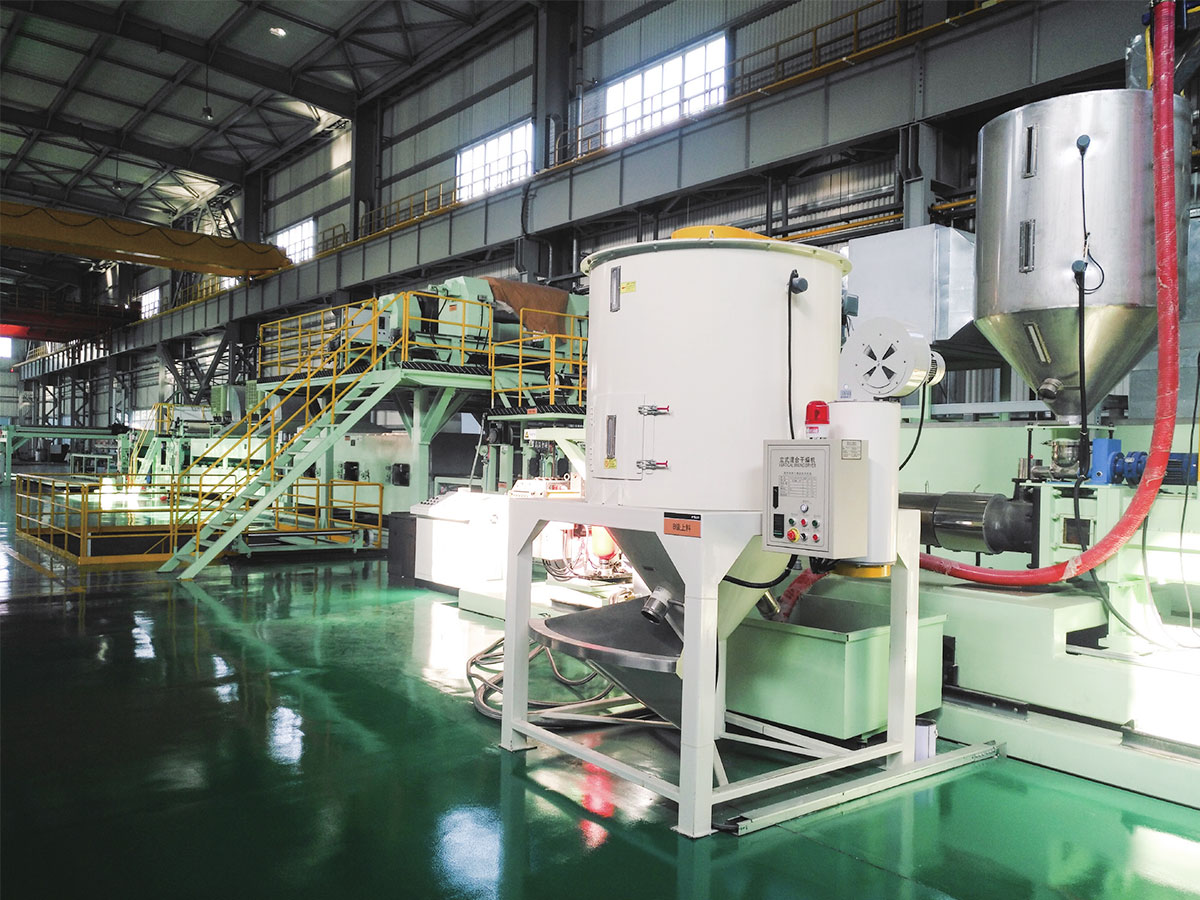
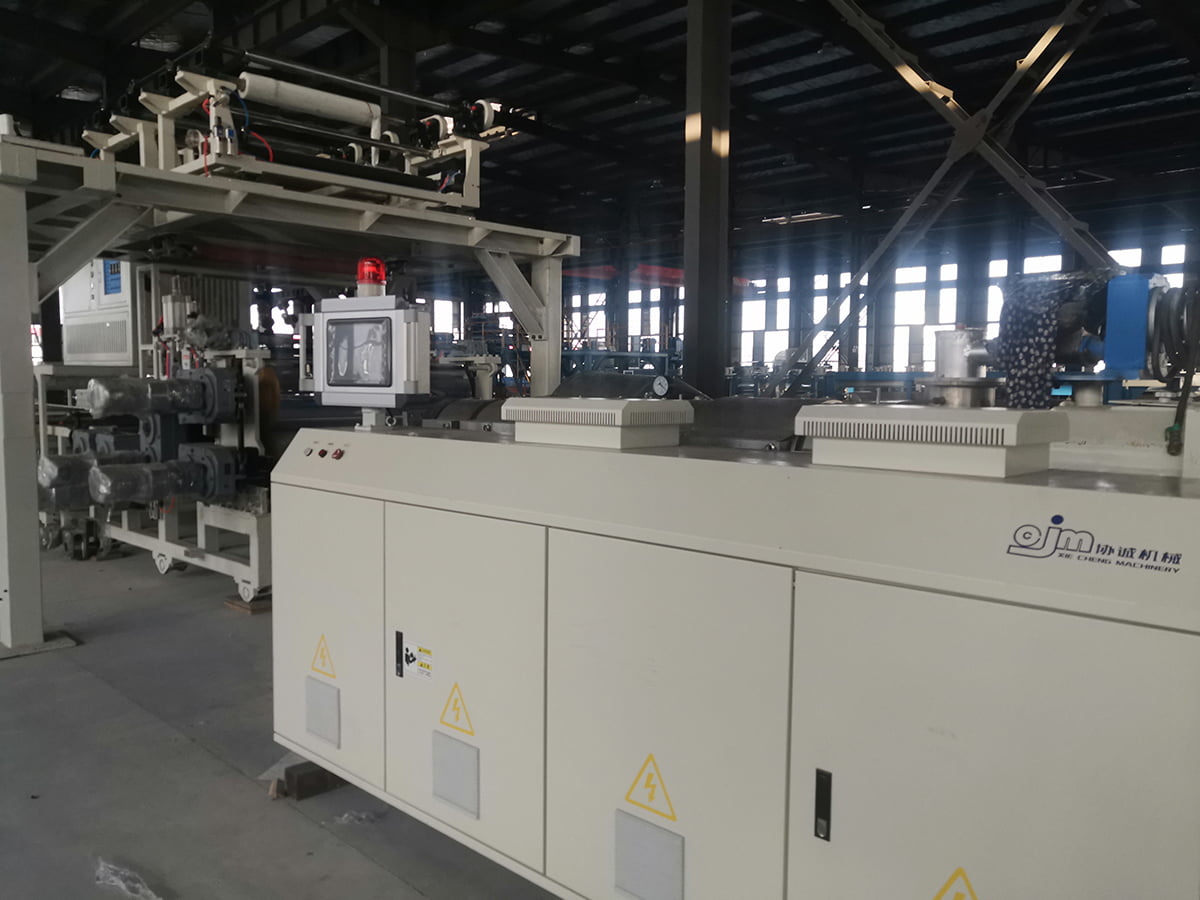
In broad terms, plastic extrusion technologies cover the continuous melting, conveying, metering, and shaping of polymer. In a factory, that may be a single screw extruder for a simple sheet, a twin screw compounding line for filled or fire-retardant compounds, a co-extrusion setup for multiple layers, or a flat die and calendering train for wide sheet. The common thread is stable melt delivery rather than the shape of the final profile.
On composite production lines, extrusion appears in several places. It may form the core sheet of a metal composite panel, create an adhesive film, plasticize PVC for flooring, or impregnate continuous fiber for CFRT. The table below sets out where the technology sits and what plant teams should watch.
| Production line | Typical extrusion role | Main control target | Common risk |
|---|---|---|---|
| A2 and B1 metal composite panel | Core sheet or adhesive layer feeding the lamination station | Melt temperature, pressure stability, gauge uniformity | Poor peel strength, core thickness drift, surface waviness |
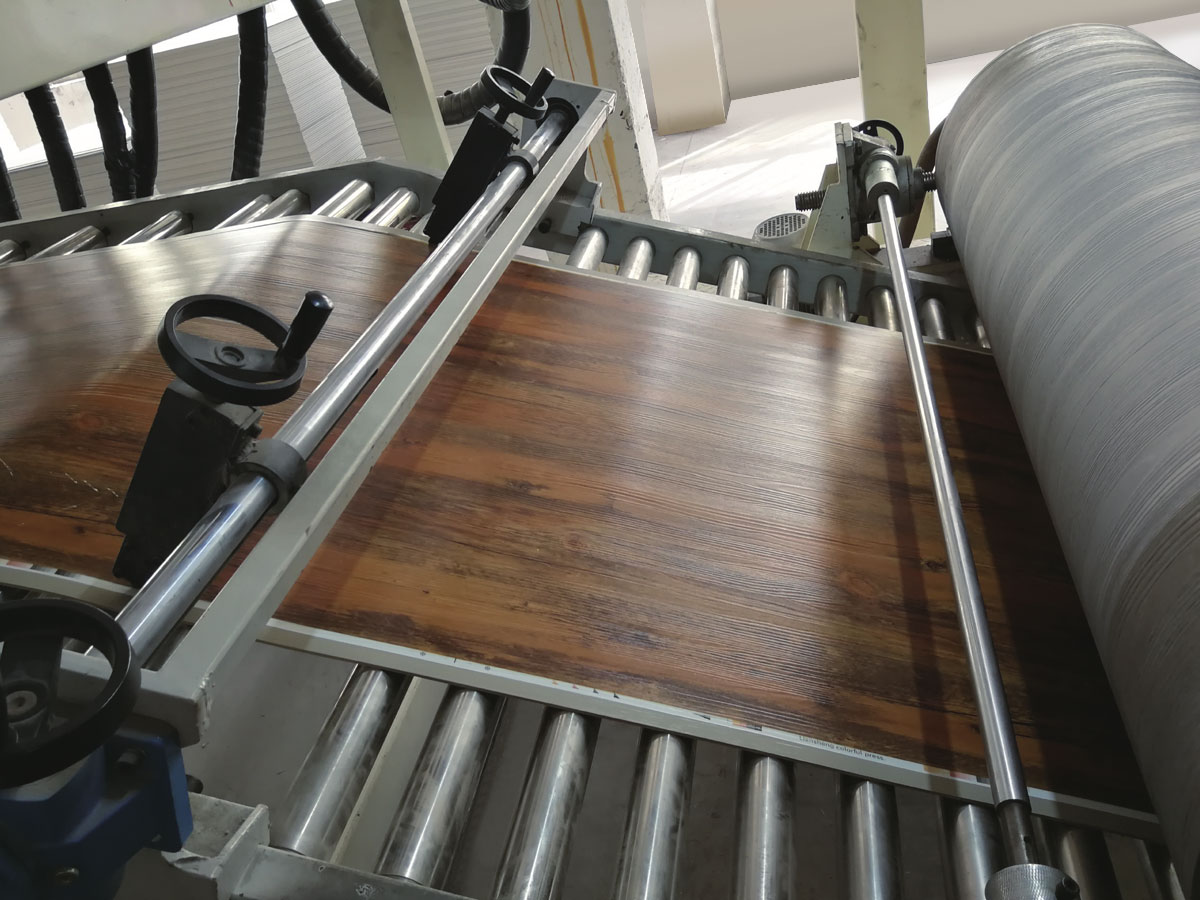
| SPC flooring | PVC compound plasticizing and sheet forming before calendering | Gelation, formulation dispersion, sheet flatness | Brittle edges, density variation, dimensional change |
| CFRT composite | Melt impregnation of continuous fiber and consolidation | Fiber wet-out, temperature profile, line tension | Dry spots, voids, uneven mechanical performance |
| Coil coating with film lamination | Adhesive or functional film extrusion before nipping | Coating weight, bond window, web tension | Delamination, orange peel, edge buildup |
The Process Window That Decides Quality
An extruder is often judged by output, but output without a stable window is expensive capacity. For composite panel work, four variables deserve continuous attention: material condition, melt quality, die and roll alignment, and downstream tension. A line can have a large motor and still produce poor sheet if the feed section surges or the melt pump is fighting a poorly set die.
Temperature and Pressure
Melt temperature is not a single setpoint. It is a profile across the feed zone, compression zone, metering zone, adapter, and die. The operator should be able to see a stable trend, not a sawtooth pattern, at the die pressure gauge. Small pressure swings become thickness bands, and thickness bands become adhesion variation after lamination. Before blaming the laminator, check the last hour of melt pressure and screw speed data.
Gauge and Tension
Sheet gauge variation that looks minor at the die can become a visible defect after lamination, embossing, or trimming. Cooling roll temperature, roll speed, and haul-off tension all influence final flatness. A useful commissioning sequence is:
- Verify material drying and feed consistency before running production resin.
- Establish a stable melt profile at low output, then increase screw speed in steps.
- Set die bolts and cooling rolls to a flat sheet, not to a target output number.
- Synchronize the lamination or calendering section with the extruder speed.
- Record the window where gauge and adhesion remain stable, then train operators to stay inside it.
From Melt to Bond: Line Integration Matters
The most common procurement mistake is to buy an extruder and a laminator as separate machines. For A2 and B1 metal composite panels, the core formulation, film adhesive, and lamination temperature form a bond window. The extruder must deliver a sheet with consistent thickness and thermal history before the nip point. If the sheet is too hot, the film can degrade. If it is too cool, wet-out is incomplete and peel strength drops even when the laminator pressure looks correct.
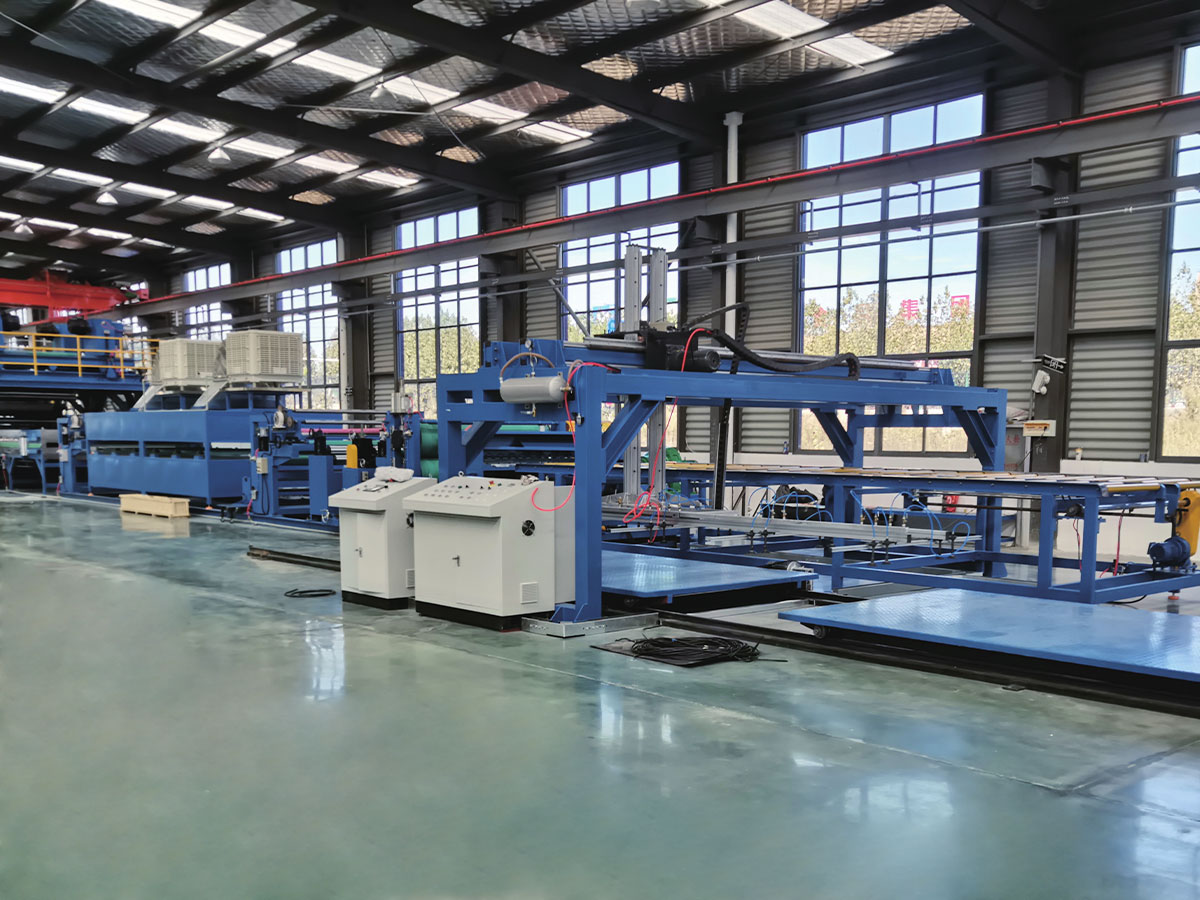
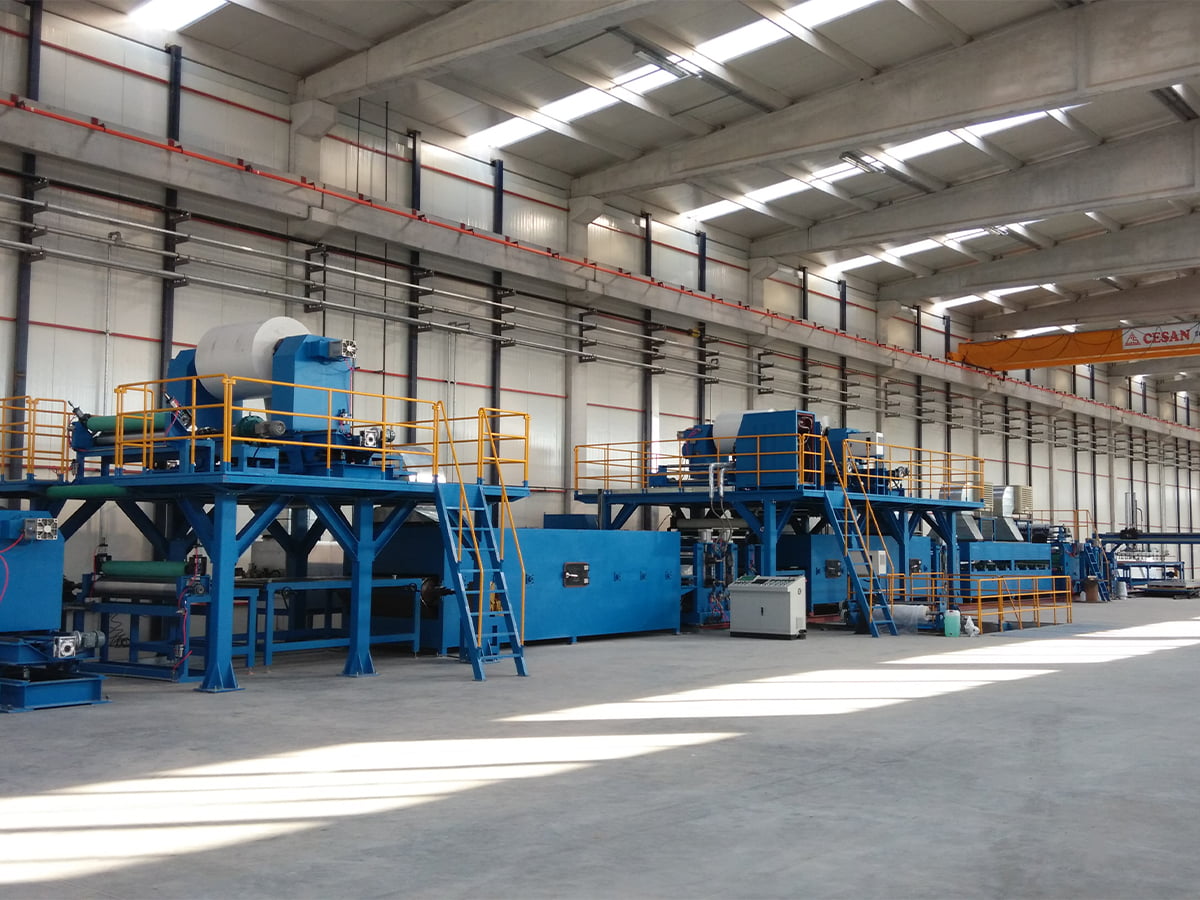
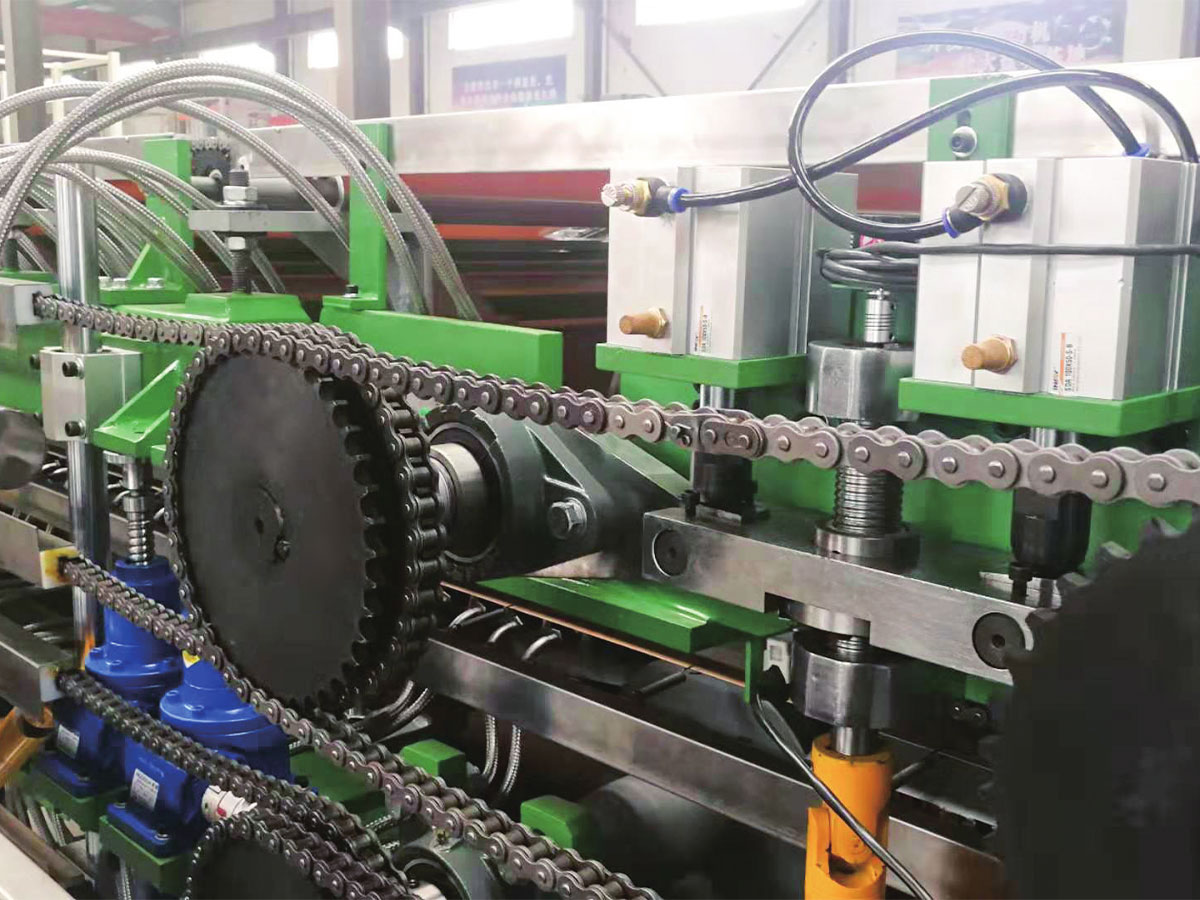
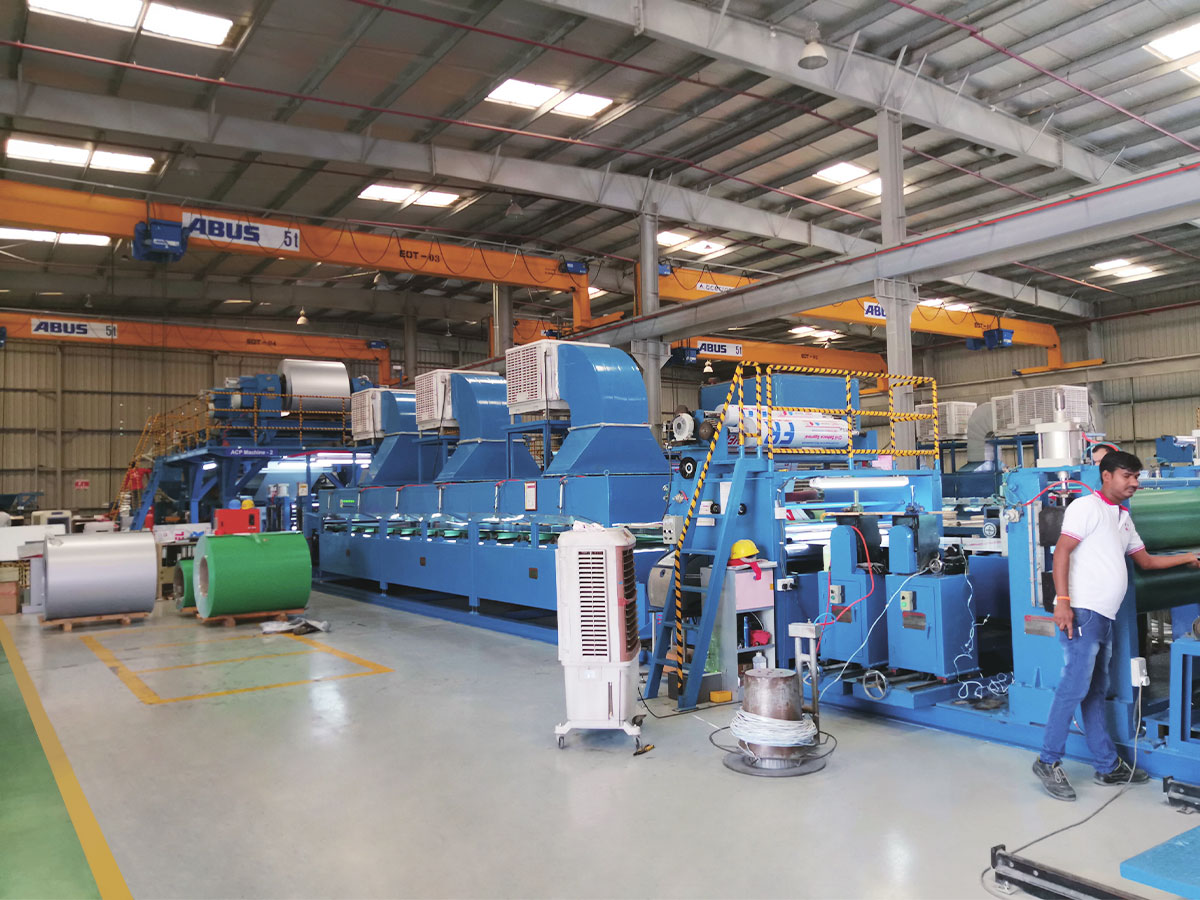
 A2/B1 Two-Way Metal Composite Panel Production LineDual-mode line for PE/B1 and A2 metal composite panels, useful when assessing integrated core extrusion, lamination, and thermal consistency before the nip point.View Product →
SPC Flooring and CFRT
SPC flooring adds a different challenge. The PVC compound needs adequate gelation without scorching, and the calender stack has to hold thickness across the full width. CFRT moves in another direction: continuous fiber must be wetted by polymer melt, then consolidated under tension. In both cases, the extruder is only as good as the die, cooling, and haul-off around it.
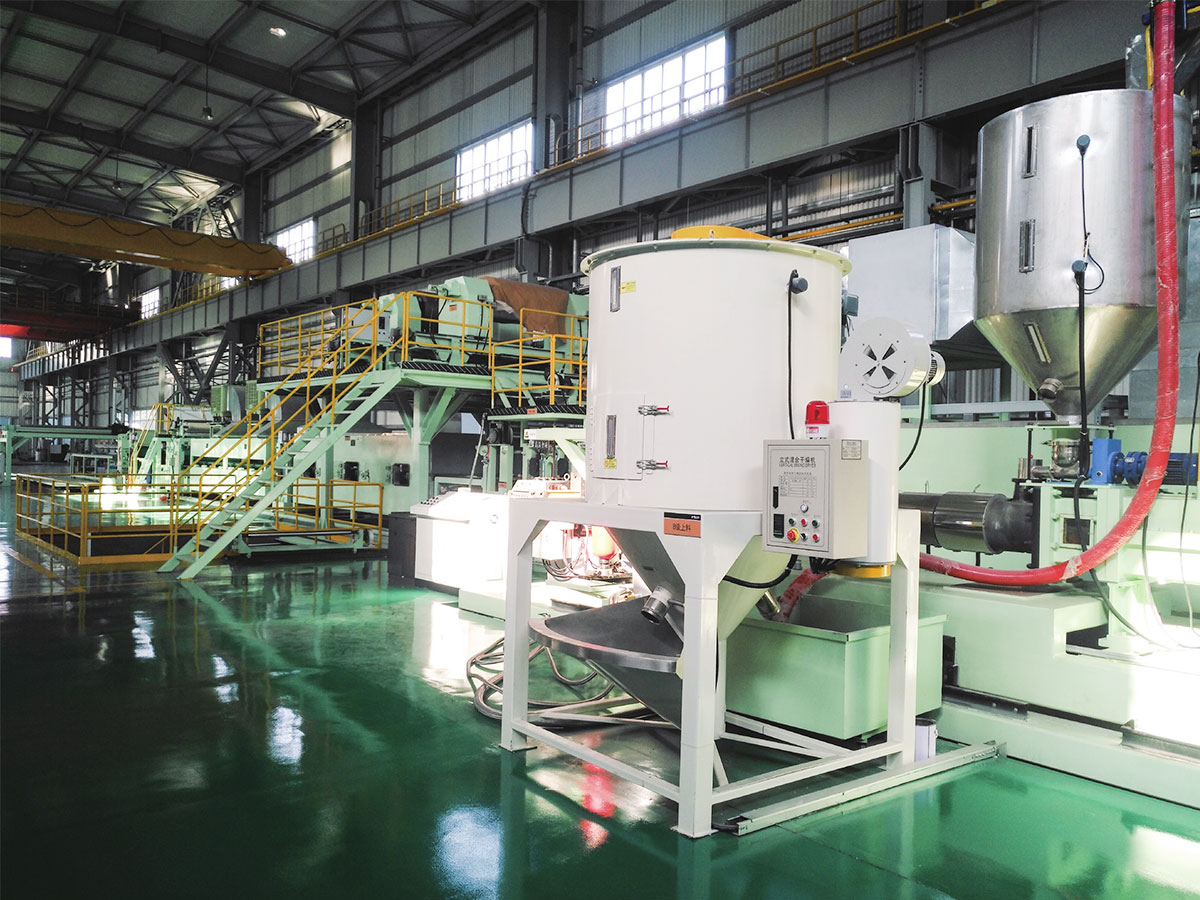
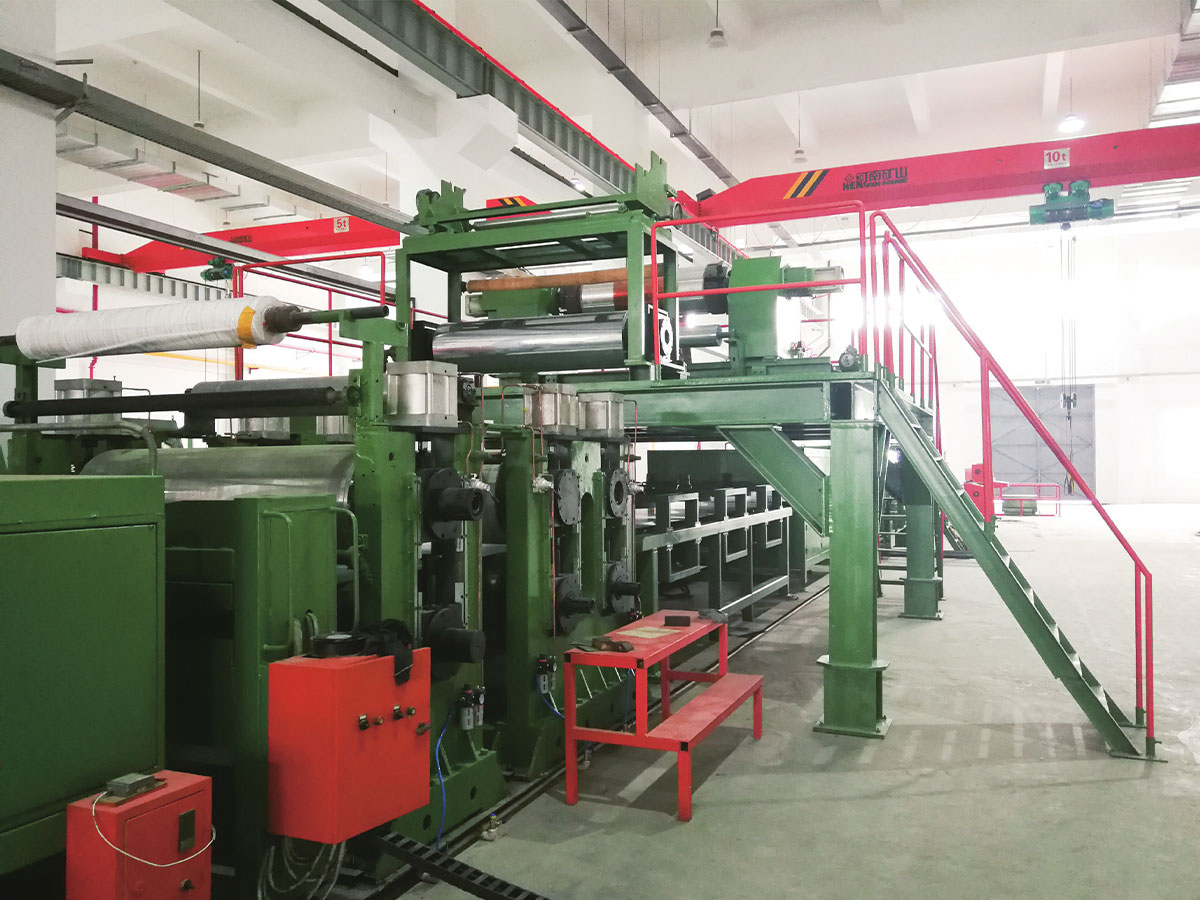
 PVC/WPC/SPC Flooring Line with Five-Roller CalenderExtrudes and calendars SPC core with five-roller system, relevant for checking gelation, thickness control, and integrated film and wear-layer lamination.View Product →
 PET/PP CFRT Composite Material Production LineCFRT composite line listed by JiangSu XieCheng for PET/PP; worth viewing when evaluating fiber wet-out and consolidation, though visible details are limited.View Product →
Specification and Procurement Checks
When comparing plastic extrusion technologies for a new line, ask for evidence rather than a list of screw diameters. A larger barrel does not guarantee better melt quality. Request a trial run with your formulation, or at least a reference run on a closely matched compound. Check how the supplier handles wear protection for mineral-filled A2 core compounds, how melt pressure is controlled, and how the line handles a stop and restart without scrapping half a shift.
- What resin range and filler loading has the screw design been proven on?
- How is melt temperature measured, and where is the sensor located?
- What gauge tolerance can the die and cooling section hold across the working width?
- How does the control system synchronize extruder speed, roll speed, and lamination tension?
- What remote support and spare parts plan is offered after installation?
For teams at the specification stage, this guide to choosing a high-performance metal composite panel production line sets out practical comparison points before a purchase decision.
Matching Extrusion Technology to the Material
Polymer family changes the screw, the die, and the downstream. PVC needs careful temperature control to avoid degradation. PE and PP behave differently in the feed and metering zones. PET requires attention to drying and hydrolysis. Fire-retardant A2 core compounds are often mineral filled and abrasive, so barrel wear, screw geometry, and dispersion matter as much as motor power. Do not accept a general purpose screw for a heavily filled core without documented wear protection and a proven compounding strategy.
Color, additive dosing, and regrind also belong in the extrusion discussion. A line that runs well with virgin resin may show gauge drift when regrind content rises, not because the extruder is weak, but because the feed bulk density and melt viscosity have changed. The control recipe should allow for that shift, and the operator should know which parameters to adjust first.
Plastic extrusion technologies are not a support act to lamination. They set the thermal and dimensional conditions that make bonding, embossing, coating, and cutting predictable. If your team is comparing a new composite panel line, an SPC flooring line, or a CFRT upgrade, start with the material, the required gauge, and the downstream process, then size the extruder and control system around that window. If you are weighing a new line or a retrofit, you can discuss your material and capacity requirements with the equipment team before finalizing the extruder and downstream configuration.