grammy@cjm.com.cn


 English
 русский
 Español
 عربى

Content
Two coils of pre coated metal can leave different plants with the same colour code, the same nominal thickness and the same claimed polyester finish, then behave like two different products on your line. One bends through a 90 degree fold without a mark. The other opens hairline cracks along the fold and starts lifting at the sheared edge a few months after installation.
The difference is rarely the paint brand printed on the label. It is the condition of the strip as it entered the line, the conversion coating sitting under the primer, the film build actually achieved rather than the figure typed on the certificate, and the peak metal temperature the coating really reached in the oven. Pre coated metal is a finished surface sold as a raw material, which means buying it is really a decision about the process behind the coil.
What follows covers how that process works, which certificate values predict field behaviour, and what to insist on whether you are specifying the coil or the line that makes it.
What Pre Coated Metal Actually Means
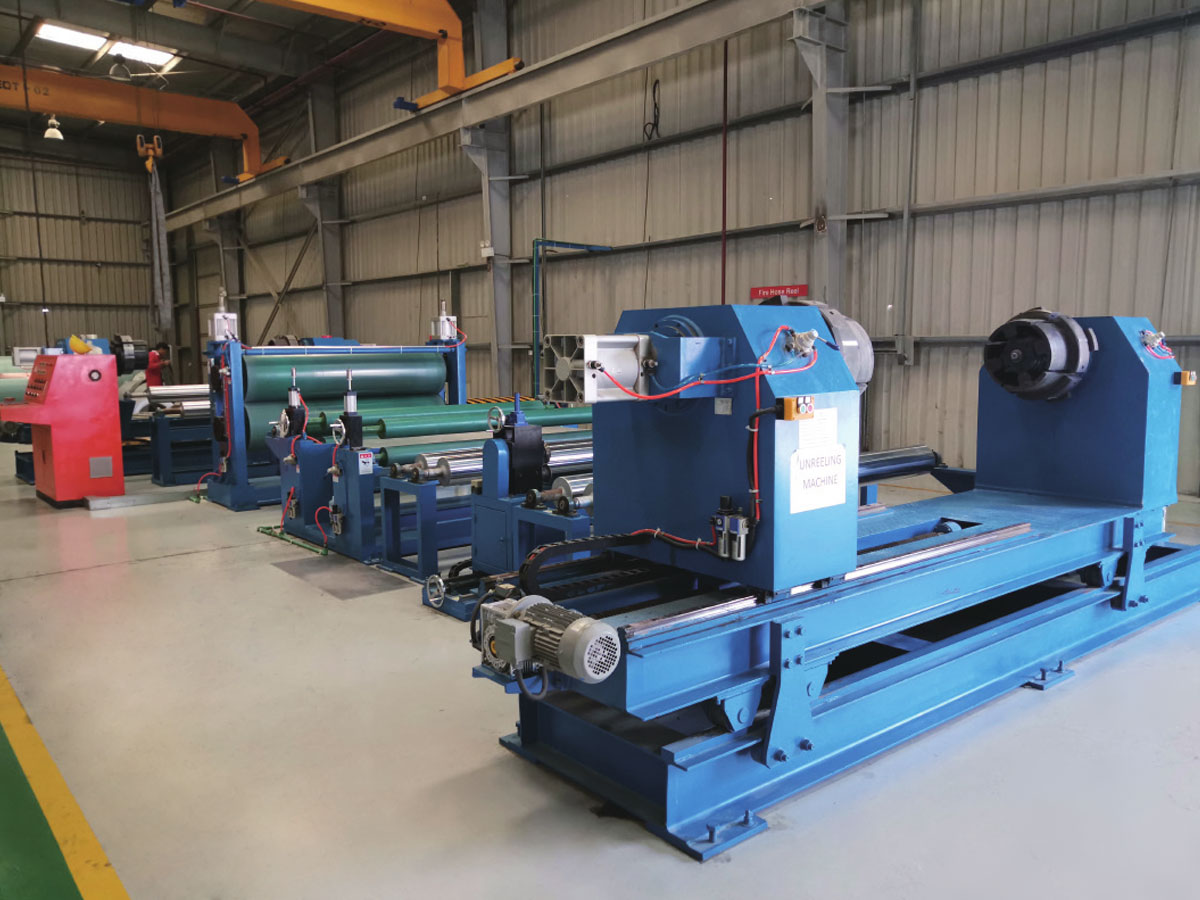
Pre coated metal, also called prepainted or coil coated metal, is steel or aluminium that receives its complete coating system in a continuous line before it is cut, formed or profiled. The strip uncoils, is cleaned and chemically converted, takes a primer and a finish coat, is cured in an oven, is cooled and is recoiled. Nothing is sprayed afterwards, so every square metre of delivered material carries the same coating system.
Compared with painting a finished part, this shifts both the economics and the risk profile:
- Coating is applied to flat strip, so thickness distribution is far more even than spraying a formed profile.
- Cut edges and sheared flanges are the only bare metal, which concentrates corrosion risk at those edges.
- Colour and gloss are locked in at the coil stage, so later touch up becomes a matching problem.
- Formability matters as much as weatherability, because the coil still has to survive your bending, rolling and profiling.
The Stages That Decide Coating Quality
Every defect you meet downstream traces back to one of six stages. Knowing which one narrows a complaint from a general argument about quality to a specific line setting.
| Stage | What happens | Defect when it drifts |
|---|---|---|
| Cleaning and entry handling | Alkaline degrease and rinse before any chemistry is applied | Patchy adhesion, oil residues, skip coating |
| Pretreatment conversion | Chromate or chromium free conversion layer at controlled coating weight | Blistering, humidity delamination, uneven paint holdout |
| Primer application | Roll coating to a specified dry film, usually 4 to 7 microns | Weak intercoat adhesion, reduced corrosion resistance |
| Finish coat application | Roll coating of the topcoat, typically 15 to 25 microns | Poor hiding, colour drift, low flexibility |
| Curing | Peak metal temperature held inside a defined window by oven zones | Under cure gives weak solvent resistance, over cure gives cracking on bending |
| Cooling and recoiling | Controlled cooling, optional back coat or protective film | Blocking, film marks, wrap damage |
Pretreatment and curing cause the most disputes because both fail slowly. A conversion coating that is slightly light will pass a bend test in the factory and blister on a facade two winters later. An oven running a few degrees hot will produce a coil that looks perfect and cracks at the first tight fold.
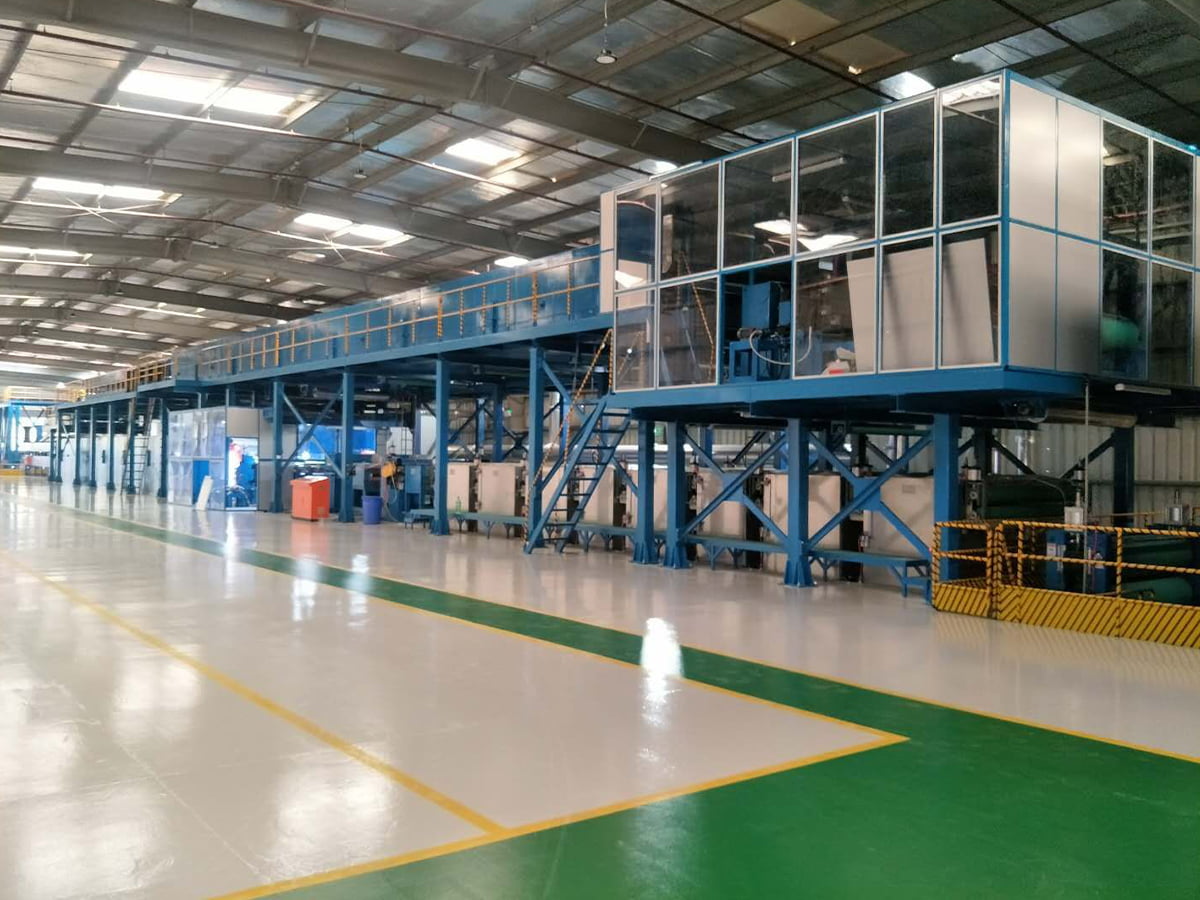
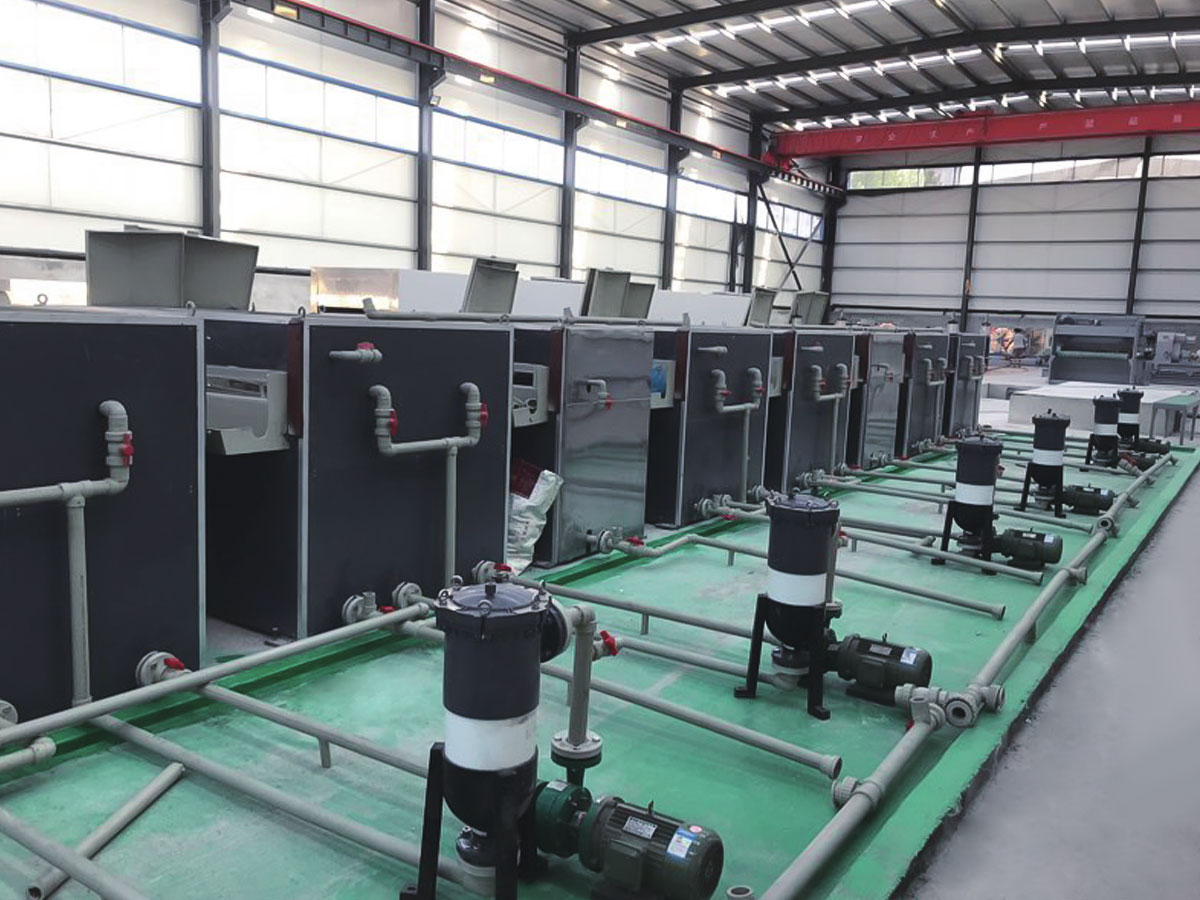 Metal Coil Pretreatment and Chemical Conversion Cleaning LineView this OEM line for multi-stage spray cleaning, chromium-free conversion coating, and rinse/drying design before color coating.View Product →
A pretreatment and cleaning section that cannot hold a stable chemical concentration or squeeze roll pressure will undo every good decision made further down the line, which is why experienced buyers ask about stage count and rinse design before they ask about maximum line speed.
Numbers on the Certificate Worth Checking
Specification sheets are not all written to the same standard, so ask for the test method beside each value rather than the value alone. A T bend figure means little without the substrate thickness it was measured on.
| Property | Typical range | What it tells you |
|---|---|---|
| Total dry film thickness | 20 to 30 microns | Barrier performance, below roughly 20 microns corrosion resistance falls away quickly |
| T bend | 0T to 2T for good architectural polyester | Cured film flexibility, 3T or worse suggests over cure or excessive thickness |
| Pencil hardness | HB to 2H | Degree of cure, read together with flexibility rather than alone |
| MEK double rubs | 100 plus with no film removal | Solvent resistance, an indirect check on cure |
| Gloss at 60 degrees | 20 to 40 units for standard exterior finishes | Appearance consistency between batches |
| Colour difference | 1.5 Delta E or tighter for matched panels | Whether two coils can sit on the same visible facade |
Pairing Substrate with Coating Chemistry
Hot dip galvanised steel gives the best cost to corrosion balance for roofs, walls and general building panels, and the zinc layer tolerates minor edge exposure. Aluminium suits facades and coastal work where weight and salt resistance matter more than stiffness, but it needs a conversion coating that genuinely bonds to the alloy surface.
On chemistry, standard polyester covers most interior and mild exterior use, silicon modified polyester stretches the colour retention window, and PVDF is the sensible choice for high UV or high humidity exteriors and for any project with a long repaint interval. Whatever the topcoat, confirm the back coat and the edge protection plan, because a sheared edge with no allowance is where most corrosion complaints begin.
Failure Patterns and What They Usually Mean
- Edge creep along a cut line: insufficient edge coverage, or a coating system chosen for the flat face only.
- Cracking at folds and profiles: over cure, film build above the formable limit, or a T bend value never tested on your thickness.
- Chalking and colour fade within a few years: standard polyester used where UV exposure demanded PVDF.
- Blistering in humid service: pretreatment conversion weight out of range or rinse water contamination.
- Gloss variation across a facade: separate production batches accepted without a colour difference limit.
Buying the Line, Not Just the Coil
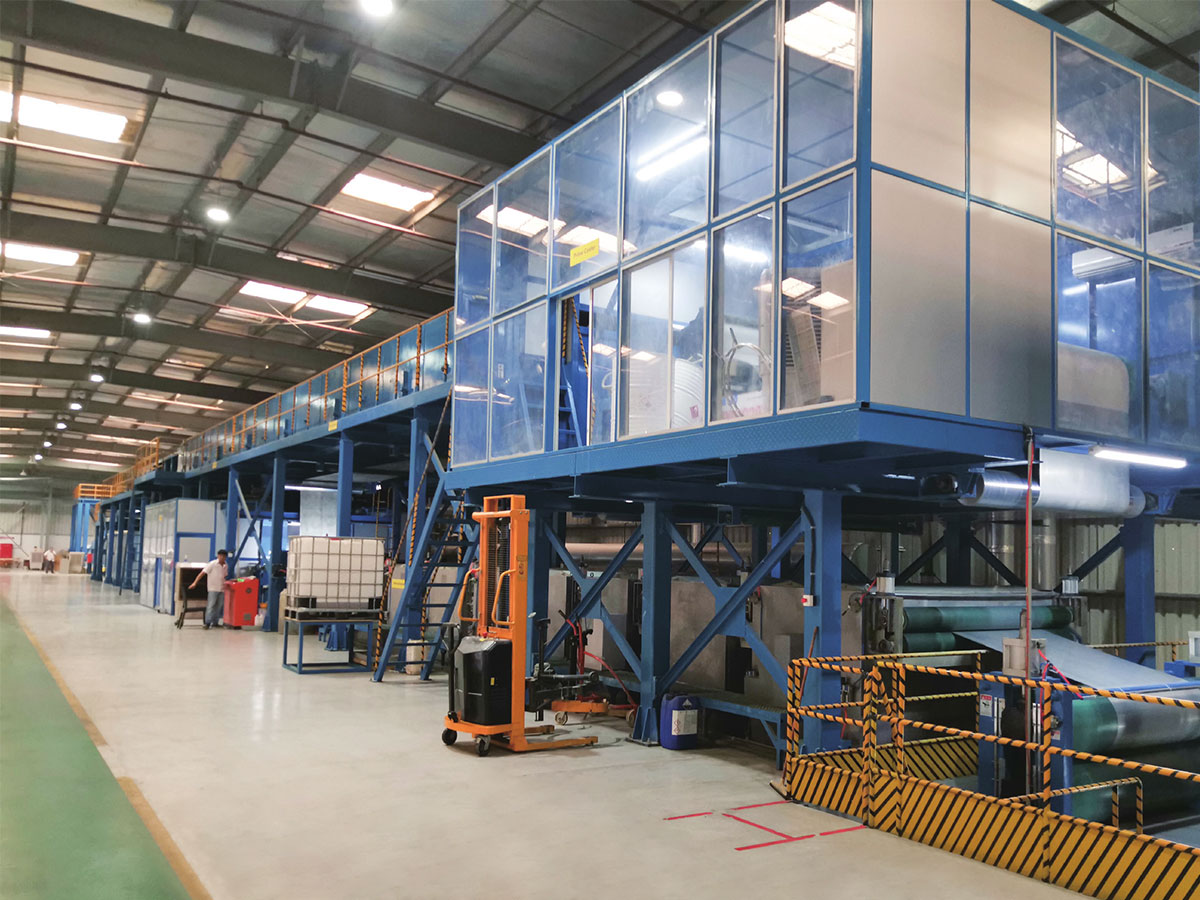
For manufacturers setting up their own coating capacity, the decision is a process design question. Oven length against target line speed sets the cure window, accumulator capacity sets how the line survives a coil change without stopping the strip, the number of coating heads sets whether primer and topcoat run in one pass, and tension control across the whole line sets whether thin gauge material stays flat.
It is worth reading how a coil coating line changes production economics before fixing a budget, because a line sized only on speed usually ends up running below its own cure window on thin strip.
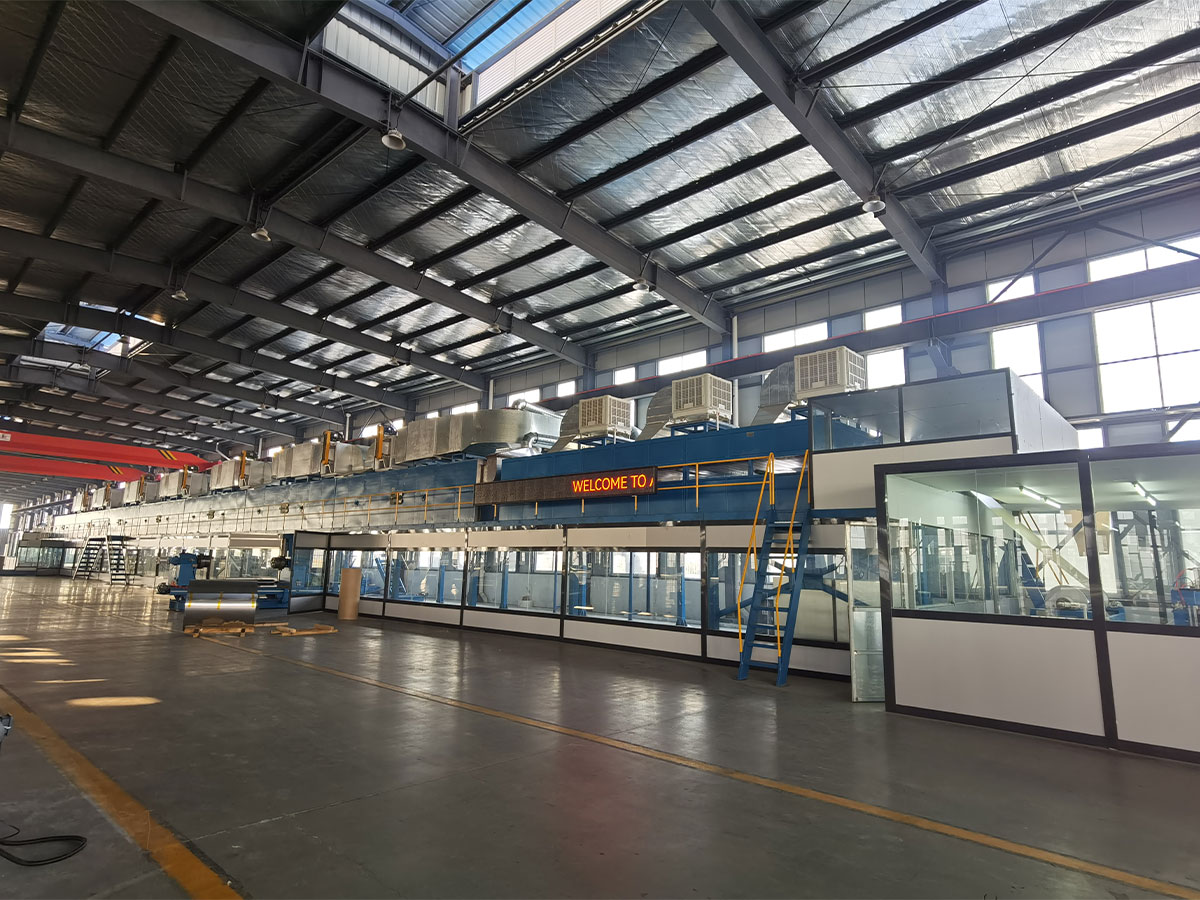
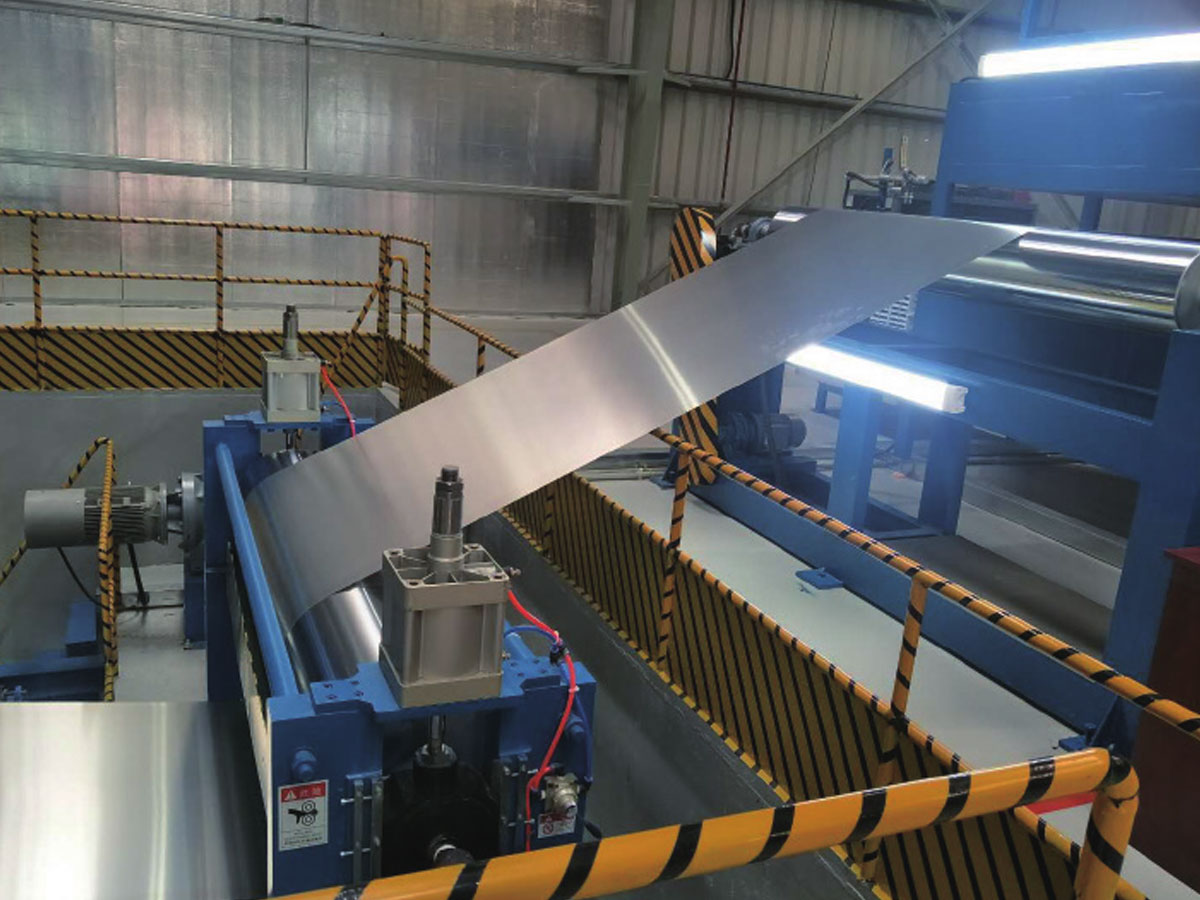 Metal Coil Color Coating Line with Four-Roll Reverse CoaterA four-roll reverse coating line with multi-zone curing, configurable pretreatment and coating passes for PE, acrylic or PVDF finishes.View Product →
A practical specification for a colour coating line should state substrate gauge range, target annual tonnage, coating systems to be handled, and the finish quality standard the output must reach, not just a maximum speed figure.
From Coated Coil to Finished Panel
Pre coated metal is also the visible skin of composite panels, and there the coil quality meets a second process. Lamination temperature, adhesive film selection and cooling rate decide whether the coated face stays flat and whether the bond survives a peel test after ageing. A premium coil bonded on a poorly controlled line gives a poor panel, and the coil supplier usually gets the blame.
For teams building that stage, selection points for a high performance metal composite panel line covers the parameters that matter most on the laminating side.
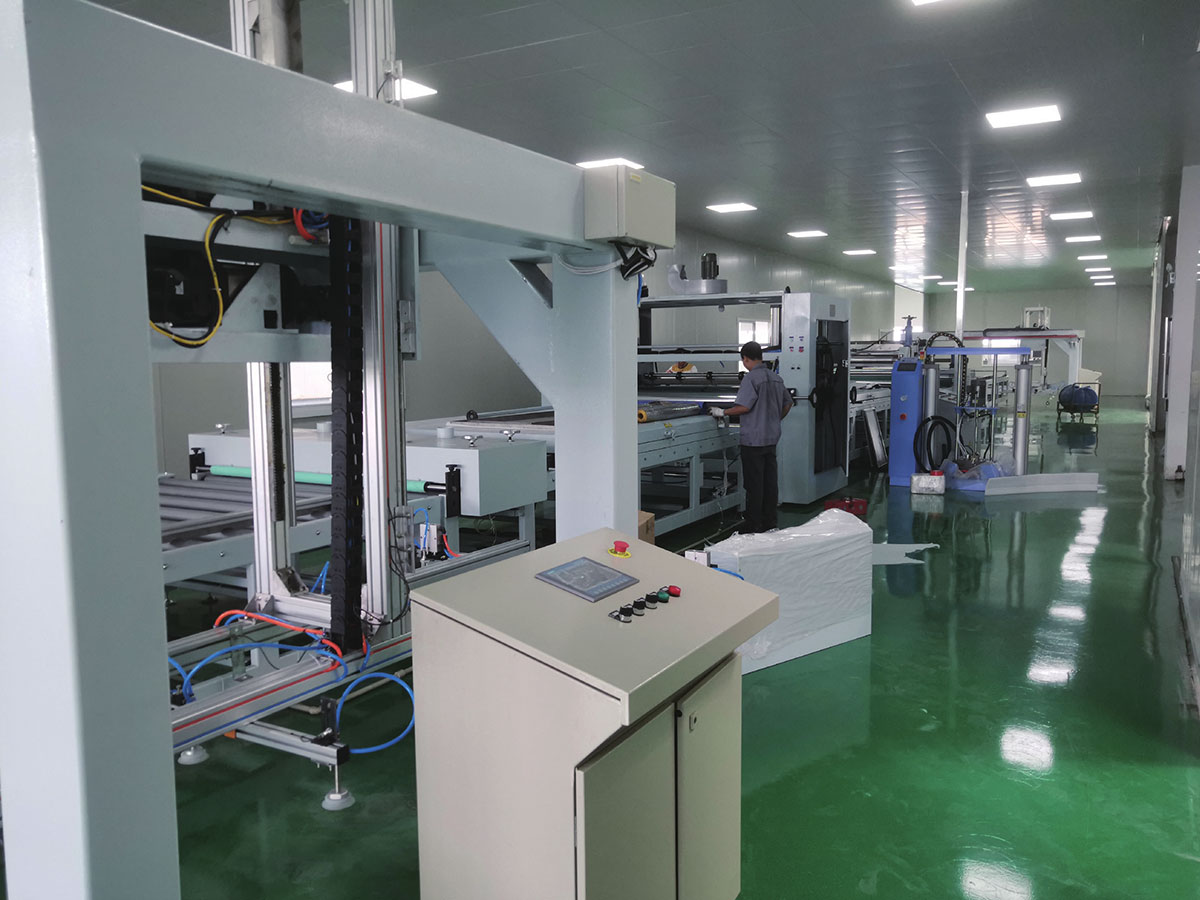
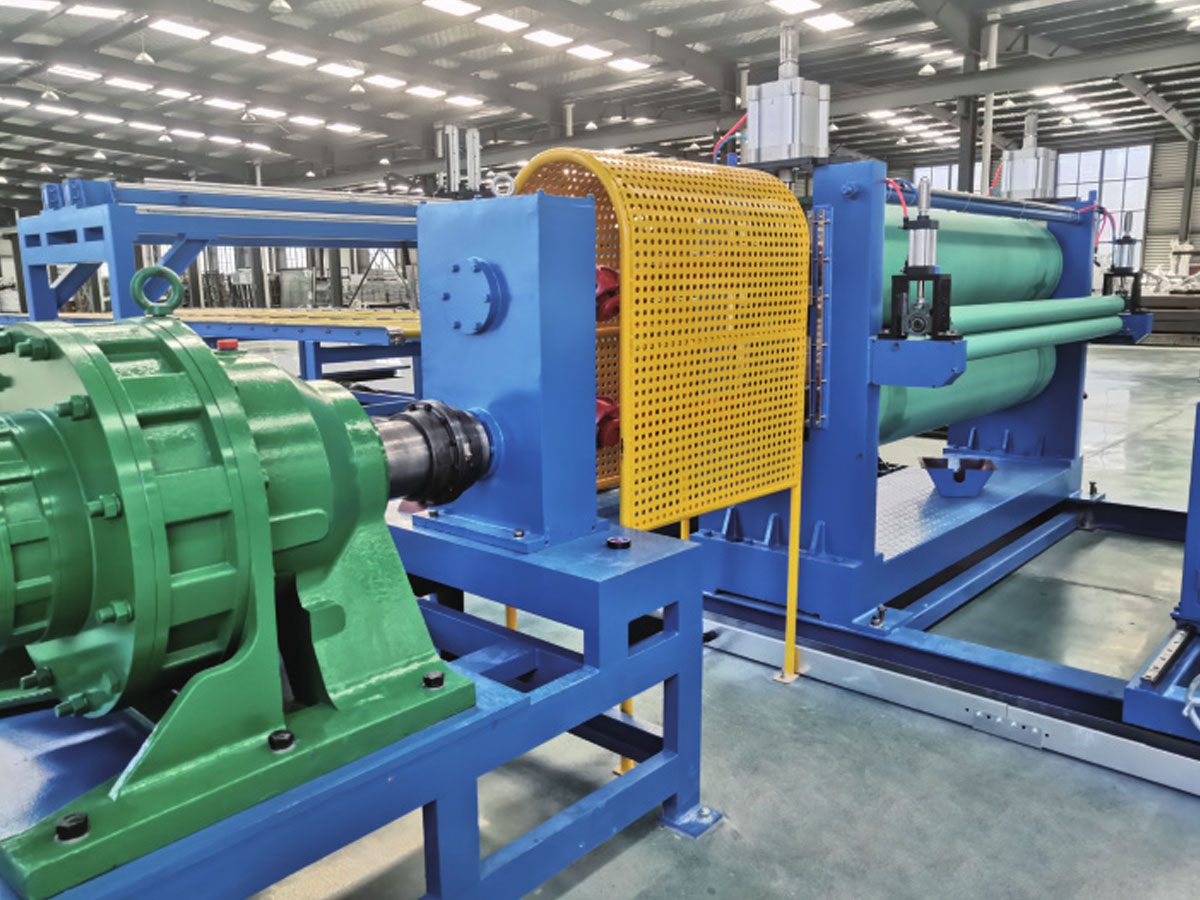 A2 Fire-Resistant Metal Composite Panel Production LineContinuous lamination line bonding A2 core coils with metal skins, separating core production from lamination to reduce investment and simplify panel output.View Product →
Matching the coating system to the laminating line early avoids the common situation where a fire rated core and a coated skin are each correct on paper but thermally incompatible in practice.
Before placing an order, ask three questions of any pre coated metal supplier or line builder. Which pretreatment chemistry is used and what conversion weight is targeted. What peak metal temperature window is held, and how is it recorded per coil. And how is T bend verified on the actual substrate thickness you will form. The answers separate a coil that merely looks right from one that survives a decade of weather and a few hundred thousand bends.