grammy@cjm.com.cn

 English
 русский
 Español
 عربى
عربى
Content
- 1 SPC Flooring Production: The Core Application
- 2 LVT Flooring Production for Residential and Light Commercial Use
- 3 WPC Flooring Production with Integrated Underlayer
- 4 Key Application Sectors for Panels Produced by the Line
- 5 Product Performance Features Enabled by the Production Line
- 6 Production Line Equipment Stations and Their Role
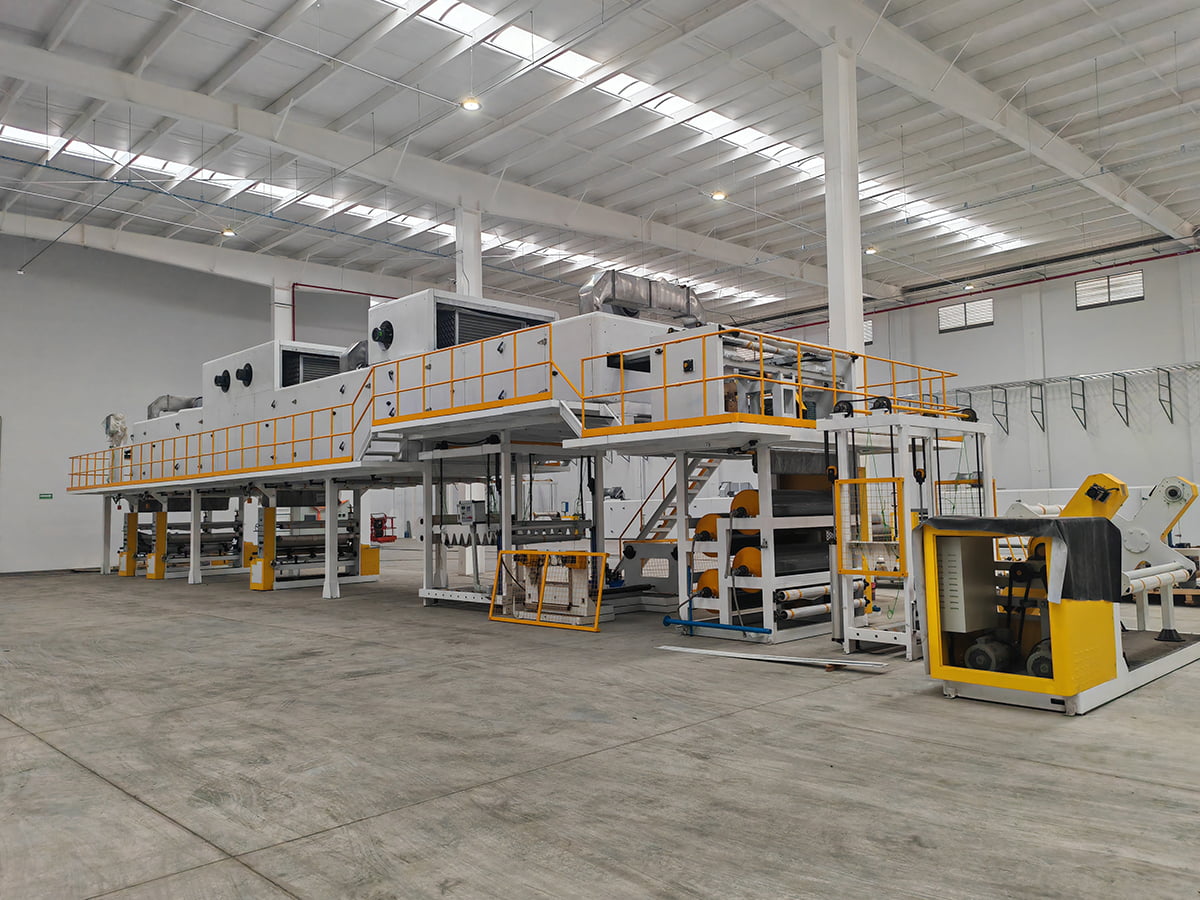
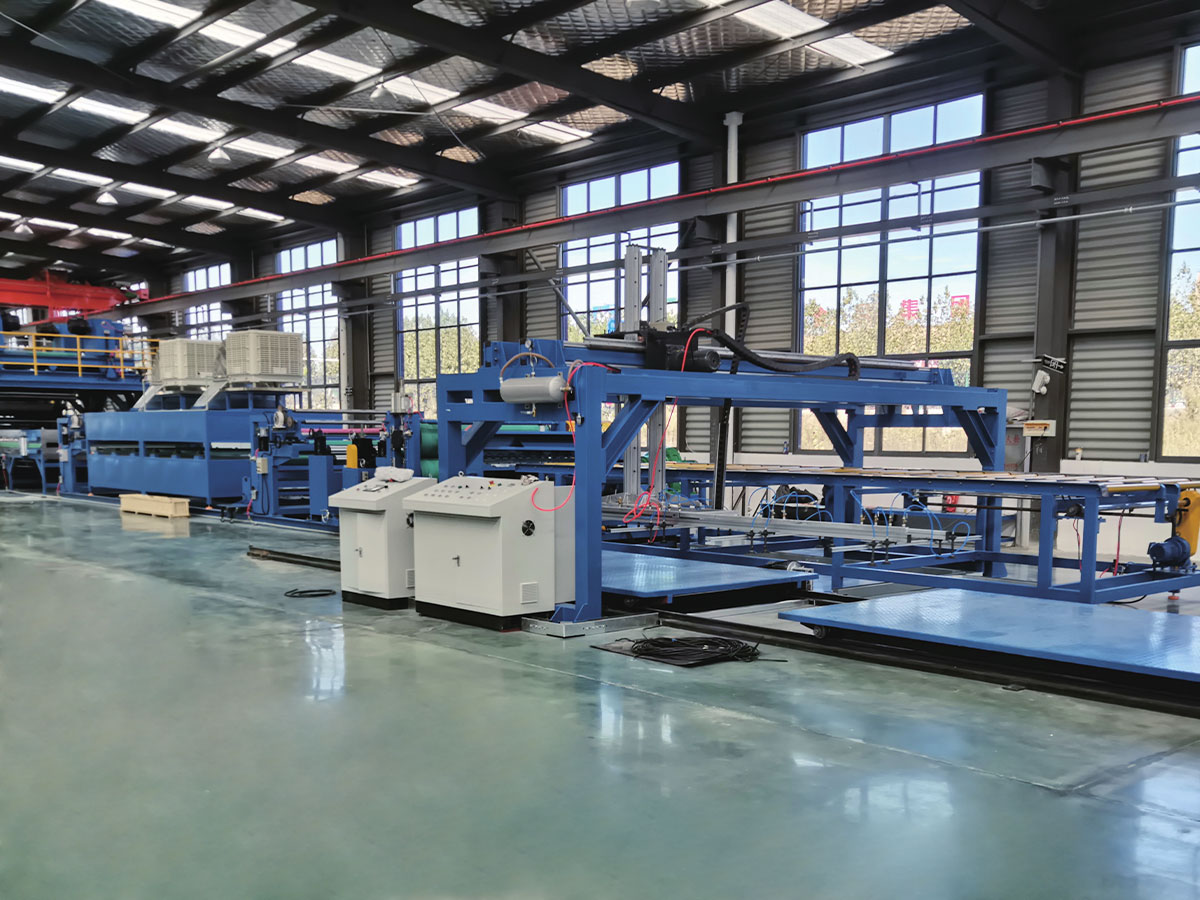
A PVC laminate panel production line is primarily used to manufacture finished flooring panels and decorative surface boards by laminating printed PVC decorative films and protective wear layers onto rigid or semi-rigid PVC-based substrates. The main product categories produced include SPC (Stone Plastic Composite) flooring, LVT (Luxury Vinyl Tile) flooring, and WPC (Wood Plastic Composite) flooring — all widely used in residential, hospitality, healthcare, and commercial interior decoration. These production lines integrate all key manufacturing stages — from raw material compounding through to surface finishing, click-lock profile cutting, underlayer lamination, and automatic packaging — into a single continuous process that converts base materials into installation-ready flooring panels with fire resistance, moisture resistance, insect resistance, and mold resistance built into the product structure.
SPC Flooring Production: The Core Application
SPC (Stone Plastic Composite) flooring is the highest-volume product manufactured on modern PVC laminate panel production lines. The production line produces rigid, dimensionally stable flooring boards by laminating a decorative PVC film and transparent wear layer onto a dense limestone-powder-and-PVC composite core.
- The SPC core board typically contains 60–70% calcium carbonate (limestone powder) blended with PVC resin and stabilizers, producing a board with very high rigidity and a density of approximately 2.0–2.2 g/cm³. This dense core gives SPC flooring its defining characteristic: near-zero thermal expansion and contraction, which eliminates gapping or buckling between planks across seasonal temperature changes.
- A printed decorative PVC film (typically 0.07–0.10 mm thick) is laminated onto the core to provide the visual appearance — wood grain, stone, ceramic tile, or abstract patterns — followed by a transparent wear layer of 0.2 mm to 1.0 mm thickness that determines the floor's durability class.
- Global SPC flooring production has grown to exceed 800 million square meters annually, with demand driven by the product's combination of waterproofing, dimensional stability, and relatively low installation cost compared to ceramic tile or hardwood.
LVT Flooring Production for Residential and Light Commercial Use
LVT (Luxury Vinyl Tile) flooring is produced on PVC laminate production lines configured for thinner, more flexible vinyl substrates. LVT panels consist of multiple laminated PVC layers — a backing layer, a printed film layer, and a wear layer — without the rigid mineral core used in SPC flooring.
- Glue-down LVT (total thickness typically 2.0–3.0 mm) is produced for installation directly onto existing subfloors using adhesive. It is widely used in healthcare facilities, retail stores, and office buildings where minimal floor height addition is required.
- Click-lock LVT (typically 4.0–6.0 mm total thickness) incorporates a rigid interlocking profile milled into the plank edges, enabling floating floor installation without adhesive. The click profile is machined by the click profiling station of the production line and is engineered to withstand a lateral pull-out force of minimum 800 N/m per EN 14085 testing standards.
- LVT's flexibility and thinner profile make it suitable for installation over radiant underfloor heating systems, where its lower thermal resistance compared to rigid SPC allows efficient heat transmission to the room above.
WPC Flooring Production with Integrated Underlayer
WPC (Wood Plastic Composite) flooring combines a foamed PVC-wood fiber core with the standard laminated PVC surface layers, producing a flooring panel that is lighter and warmer underfoot than SPC while retaining full waterproofing.
- The WPC core density of approximately 0.8–1.2 g/cm³ — significantly lower than SPC at 2.0+ g/cm³ — results in a flooring panel that is quieter underfoot and provides better thermal insulation, making it preferred in residential bedroom and living room applications.
- The IXPE or EVA foam underlayer lamination station on the production line bonds a 1.0–2.0 mm pre-attached underlayer to the bottom face of the WPC board in a final inline step, delivering a complete floating-floor product that requires no separate underlayer purchase or installation at the job site.
- WPC flooring total thickness typically ranges from 6.0 to 12.0 mm, and the pre-attached underlayer eliminates one step from the installer's workflow — a meaningful advantage in large commercial fit-outs where installation speed directly affects project cost.
Key Application Sectors for Panels Produced by the Line
The panels and flooring produced on PVC laminate production lines serve a wide range of end-use sectors, with the product's combination of fire resistance, moisture resistance, and ease of installation making it suitable for demanding institutional environments as well as standard residential use.
Residential Home Decoration
In residential applications, SPC and WPC flooring produced on these lines is installed in living rooms, bedrooms, kitchens, bathrooms, and basements. The 100% waterproof construction makes it suitable for wet areas where solid wood and laminate flooring cannot be used. Hundreds of available decor patterns — including realistic wood grain, marble, and stone textures — satisfy diverse residential aesthetic preferences without the cost and maintenance requirements of natural materials.
Hotel and Hospitality Fit-Outs
Hotels, resorts, and serviced apartments use PVC laminate flooring for guest rooms, corridors, lobbies, and bathrooms. The combination of high wear resistance (commercial-grade 0.5 mm wear layer achieving AC4–AC5 ratings), easy cleaning, and visual appeal makes it a cost-effective alternative to carpet or hardwood in hospitality environments. Replacement cost after heavy guest use is significantly lower than natural stone or hardwood refinishing.
Healthcare and Hospital Environments
Hospitals and clinics specify PVC laminate flooring for patient rooms, corridors, and clinical areas because of its seamless hygienic surface, resistance to disinfectants, and antibacterial properties available through antimicrobial additive packages incorporated during production. The flooring's waterproofing prevents contaminated liquids from penetrating into the subfloor, supporting infection control protocols. PVC flooring is approved under healthcare facility standards in numerous countries as a suitable surface for non-sterile clinical zones.
Commercial and Retail Spaces
Retail stores, supermarkets, offices, and educational facilities use commercial-grade SPC or LVT flooring produced on these lines. A 0.7 mm or 1.0 mm wear layer (achieving AC5 or AC6 ratings per EN 13329) provides durability sufficient for high foot traffic exceeding several thousand people per day without visible surface wear over a service life of 15–25 years.
Product Performance Features Enabled by the Production Line
The specific performance characteristics that make PVC laminate panels suitable for all the above applications are determined directly by the production line's equipment configuration and process control.
| Performance Feature | How the Production Line Delivers It | Relevant Standard / Test |
|---|---|---|
| Fire resistance | Fire retardant additives blended at the auto compounding stage into the PVC core | EN 13501 Class Bfl-s1 or Cfl-s1 |
| Waterproof / damp resistance | 100% PVC composition — no wood fiber to absorb moisture; sealed wear layer lamination | 24-hour water soak test — zero swelling |
| Insect and mold resistance | Inorganic PVC/calcium carbonate core provides no nutritional substrate for insects or fungi | ISO 22196 (antimicrobial); ASTM G21 (fungal) |
| Dimensional stability | High mineral content SPC core and precise temperature-controlled calendering during extrusion | EN ISO 23999 — max 0.25% length/width change |
| Wear resistance | UV-cured coating applied by UV finishing station onto wear layer surface | EN 13329 AC3–AC6 Taber abrasion test |
| Easy click installation | Precision click-lock profile milled by the click profiling station to tight tolerances | EN 14085 — joint pull-out force ≥ 800 N/m |
Production Line Equipment Stations and Their Role
A complete SPC/LVT/WPC flooring production line integrates multiple processing stations in sequence, each contributing a specific functional layer or property to the finished panel.
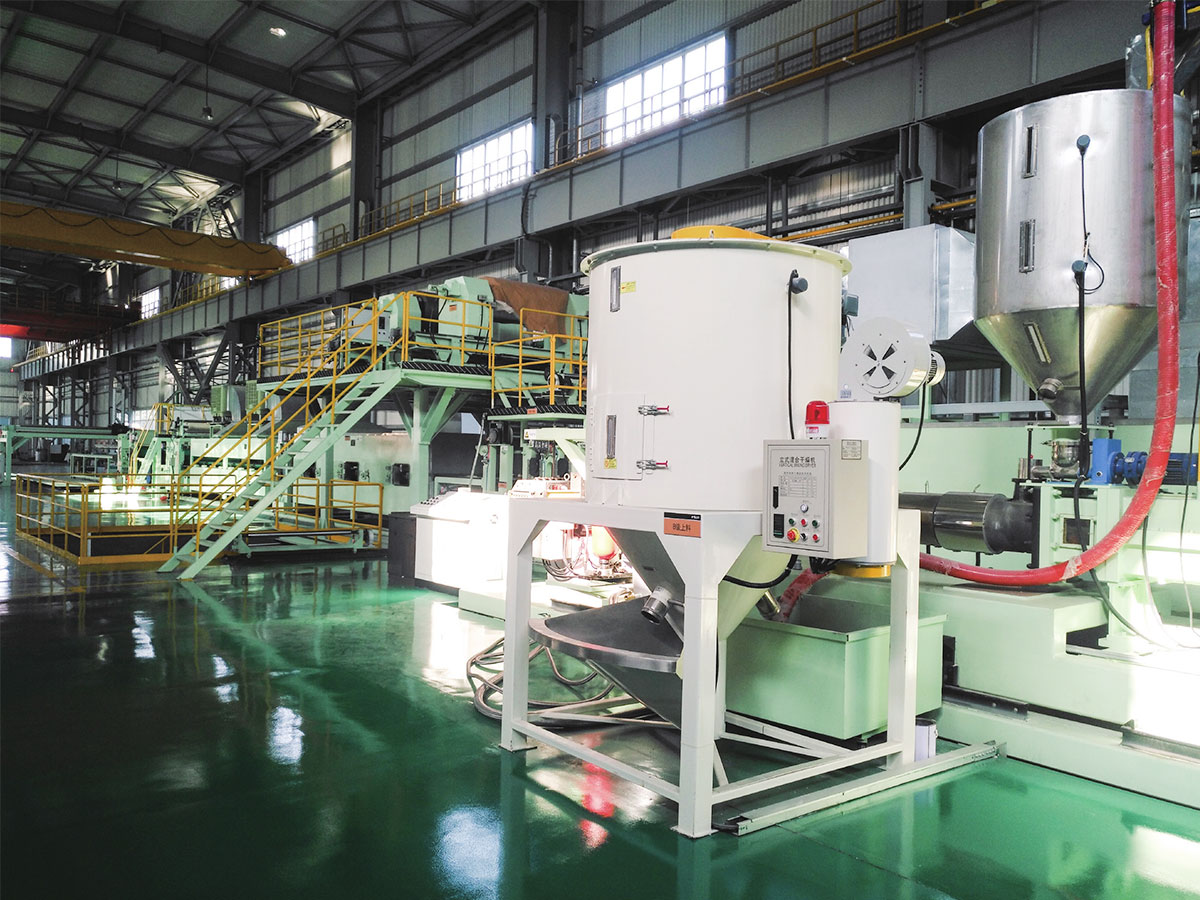
- Auto compounding system — precisely weighs and blends PVC resin, calcium carbonate, stabilizers, plasticizers, and additives to produce a homogeneous compound with consistent melt flow and physical properties. Automated dosing accuracy of ±0.5% per component is essential for maintaining consistent core density and dimensional stability across production batches.
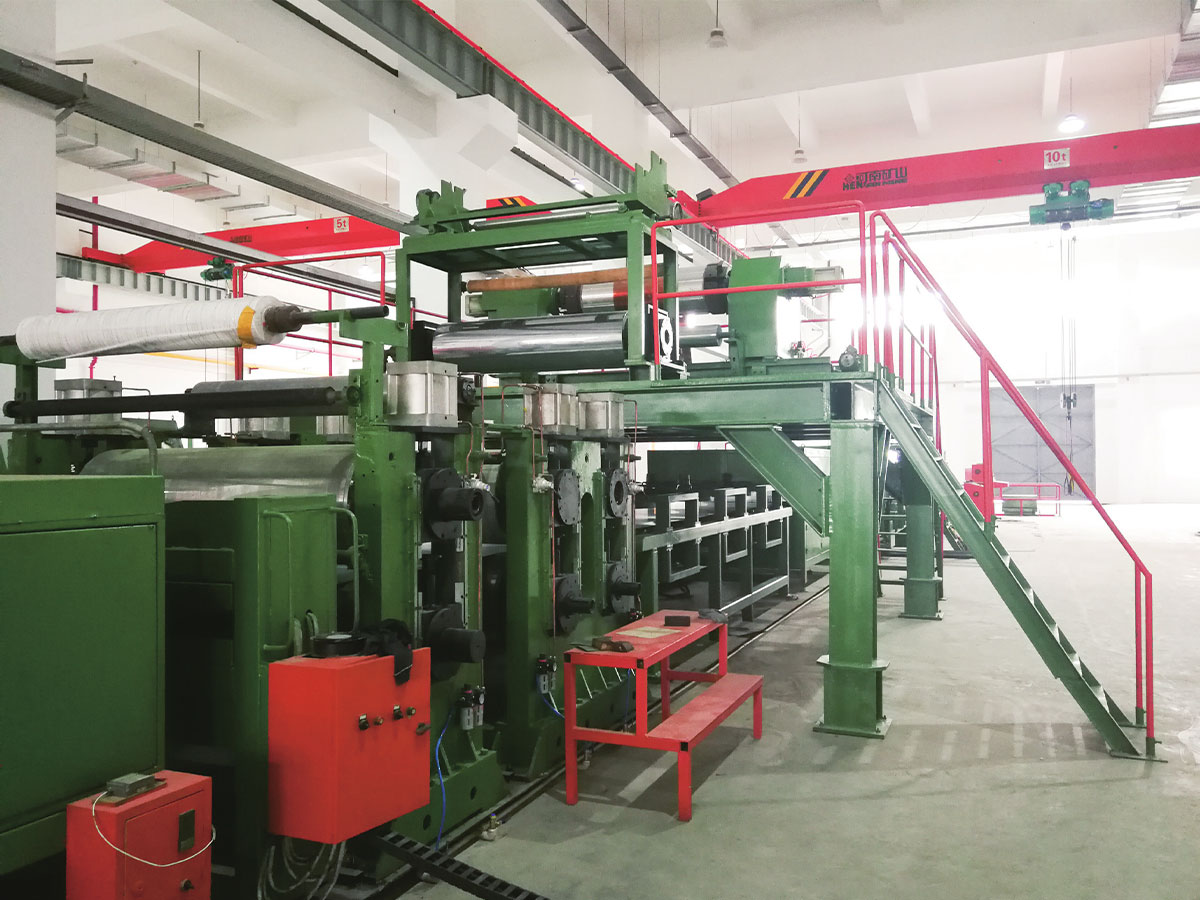
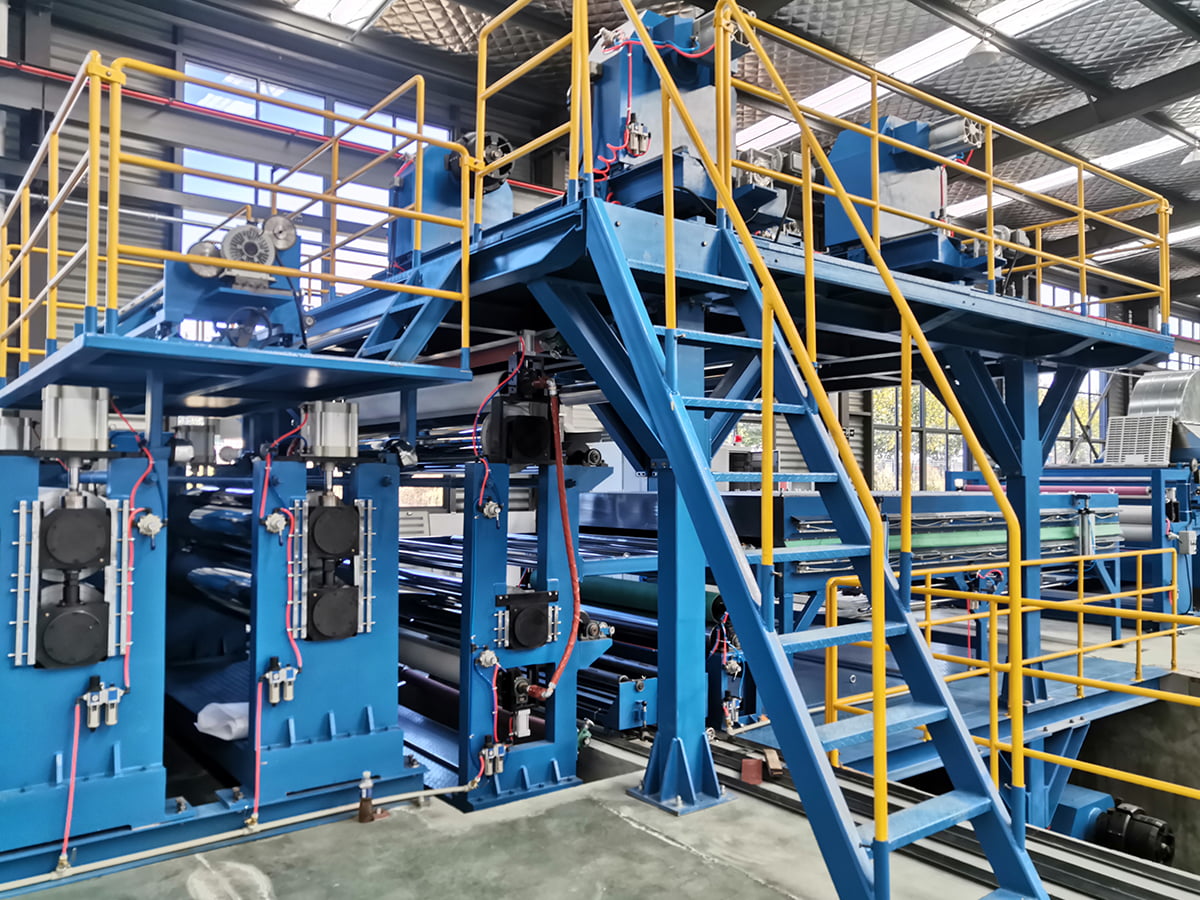
- Extruder and calender — melts and forms the compound into a flat board of precise thickness and width. Multi-roll calendering under controlled temperature and pressure produces the board's final thickness to a tolerance of ±0.05 mm.
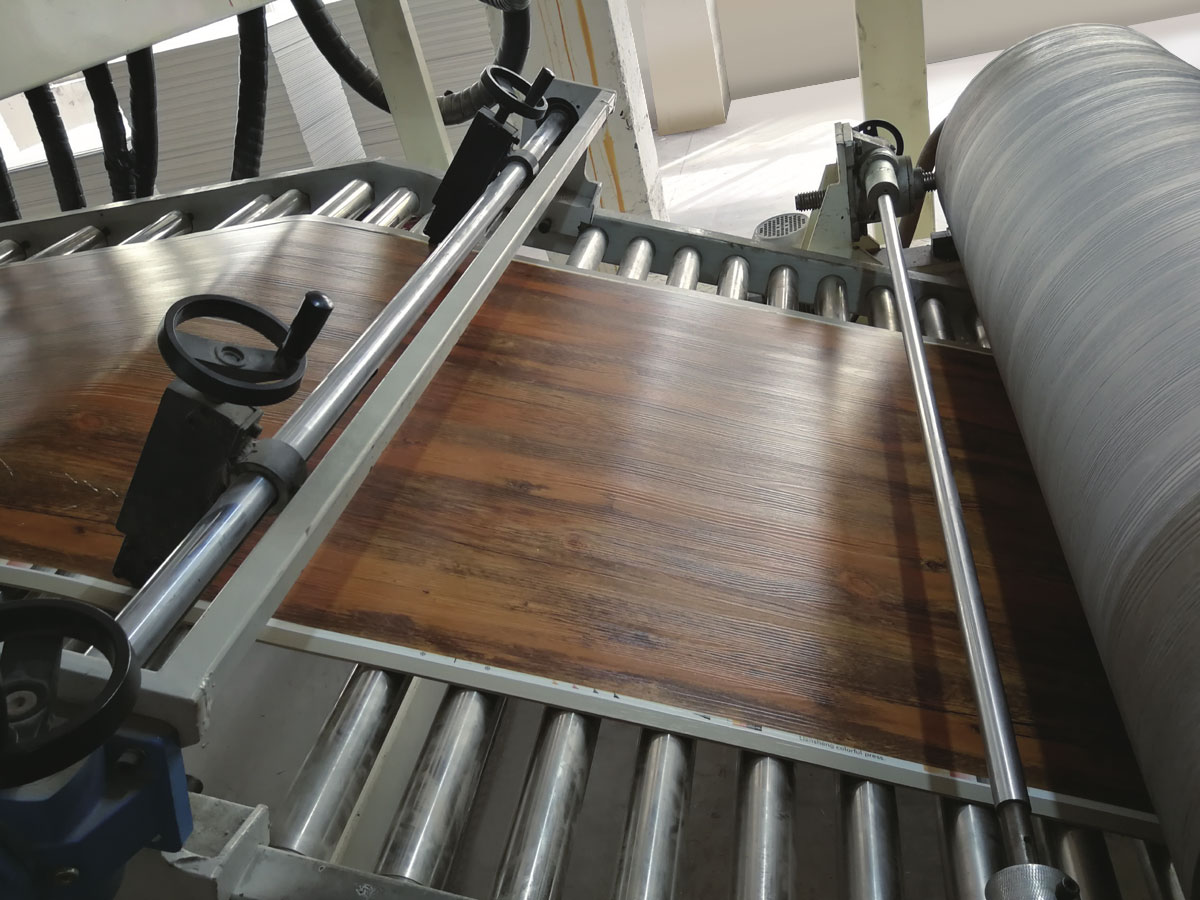
- Film lamination press — bonds the decorative film and wear layer to the core board using heat and pressure, creating a strong, peel-resistant laminate bond.
- UV finishing station — applies and cures a UV lacquer coating onto the wear layer surface, dramatically enhancing scratch resistance, gloss control, and surface cleanability.
- Click profiling station — mills the interlocking tongue-and-groove click profiles on all four edges of each panel to the precision required for smooth, gap-free field installation.
- IXPE/EVA soft film laminator — bonds a pre-cut foam underlayer to the panel's underside for WPC and premium SPC products, providing acoustic dampening and surface irregularity compensation during installation.
- Automatic flooring case packer — counts, stacks, and packages finished planks into retail cartons at line speed, eliminating manual packaging labor and ensuring consistent pack counts and carton integrity for distribution.