grammy@cjm.com.cn

 English
 русский
 Español
 عربى
عربى
Content
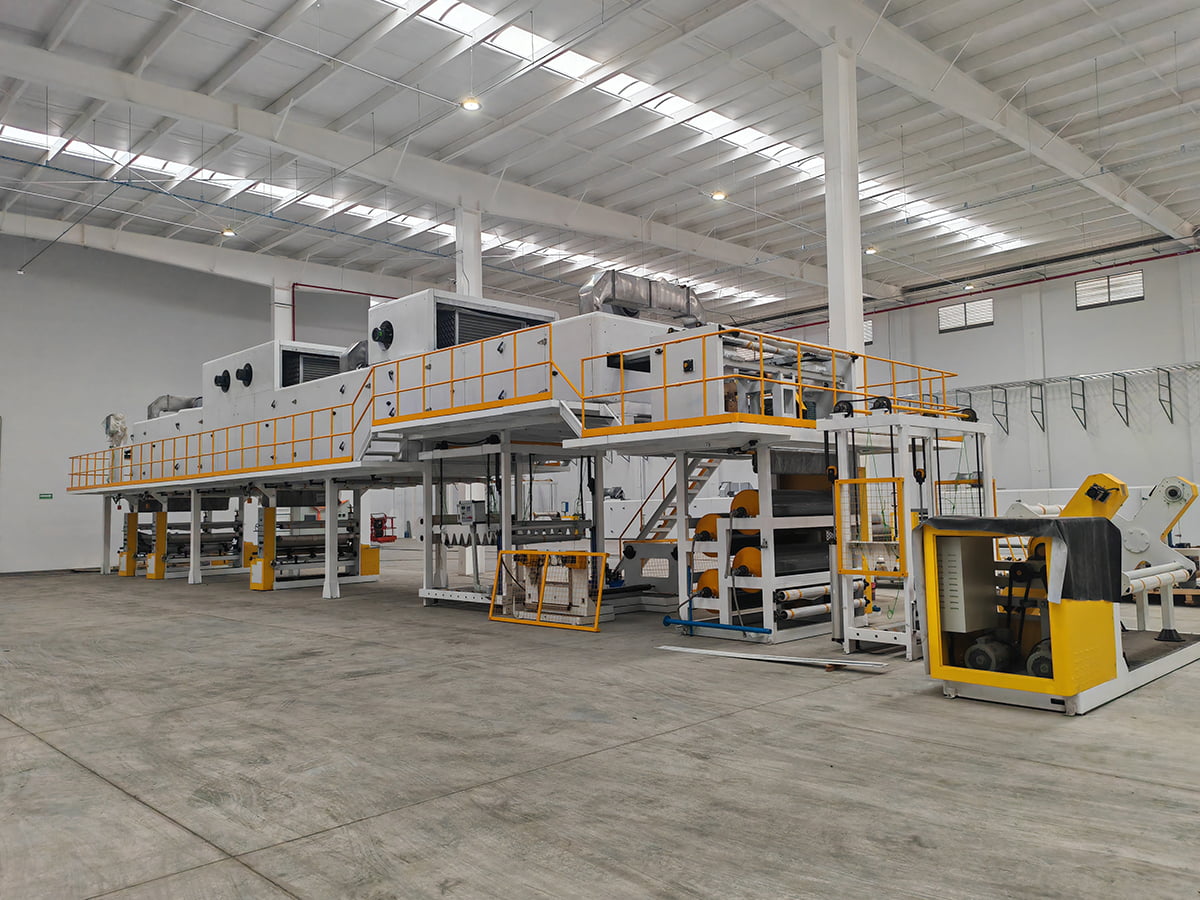
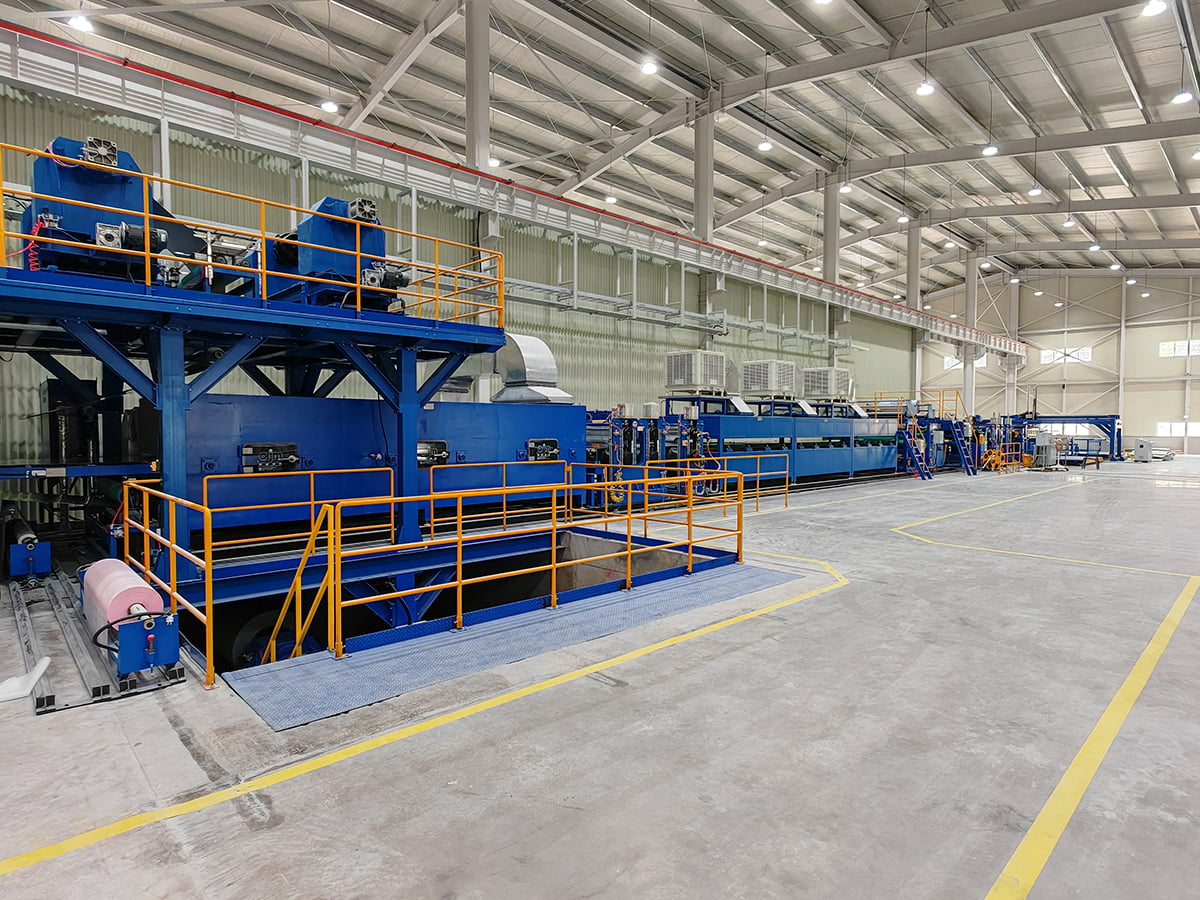
A metal coil coating line is a continuous industrial production system that applies protective and decorative coatings to flat-rolled metal substrates — primarily steel and aluminum — in coil form. The metal coil enters the line at one end as bare or pretreated metal and exits at the other as a fully finished, pre-painted coil ready for fabrication into end products. The entire process is automated and uninterrupted, making coil coating one of the most efficient surface treatment methods in modern metal manufacturing.
A well-configured coil coating line can process metal strip at speeds of 60 to 200 meters per minute and handle coil widths from 600 mm to over 2,000 mm, depending on the line design. The coatings applied can range from simple primers to complex multi-layer systems with self-cleaning, antibacterial, or high-temperature-resistant properties.
The Complete Process Sequence of a Coil Coating Line
Stage 1: Entry Section — Uncoiling and Splicing
The process begins at the entry section where a decoiler (uncoiler) holds the incoming metal coil and feeds the strip into the line. A stitcher or welder joins the tail end of the depleted coil to the leading end of the next, enabling continuous production without stopping the line. An entry accumulator (looping pit or tower) stores sufficient strip to allow coil joining without interrupting downstream processing.
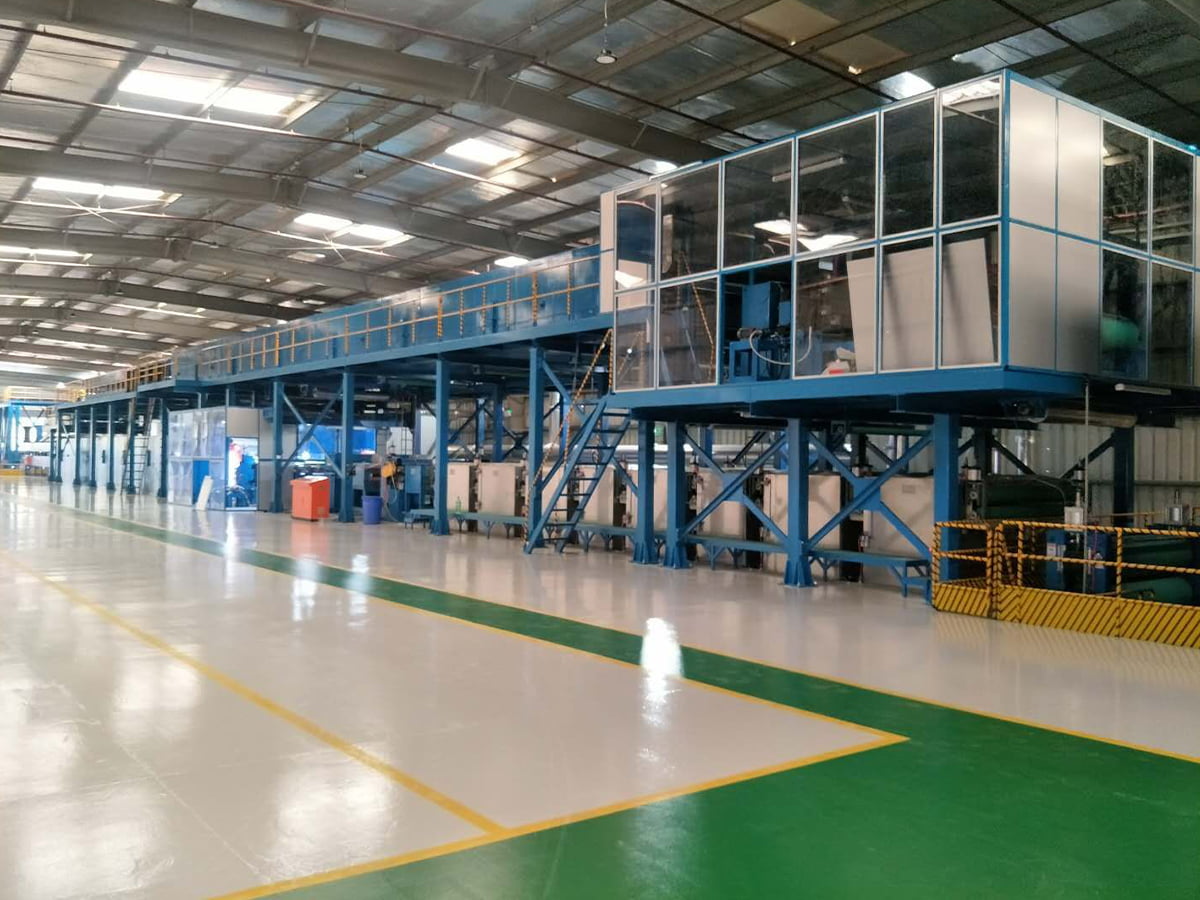
Stage 2: Pretreatment — Cleaning and Chemical Conversion
Before any coating is applied, the metal surface must be thoroughly cleaned and chemically prepared. The pretreatment section typically includes:
- Alkaline cleaning: Removes rolling oils, greases, and surface contamination through spray or immersion washing.
- Rinsing stages: Multiple fresh and demineralized water rinses remove chemical residues to prevent coating adhesion failure.
- Chemical conversion coating: A chromate or chromate-free (titanium/zirconium-based) conversion treatment is applied to form a thin reactive layer that significantly improves primer adhesion and corrosion resistance — a critical step for long-term coating performance.
- Drying: The pretreated strip passes through a drying oven to remove all residual moisture before coating begins.
Stage 3: Primer Coating Application
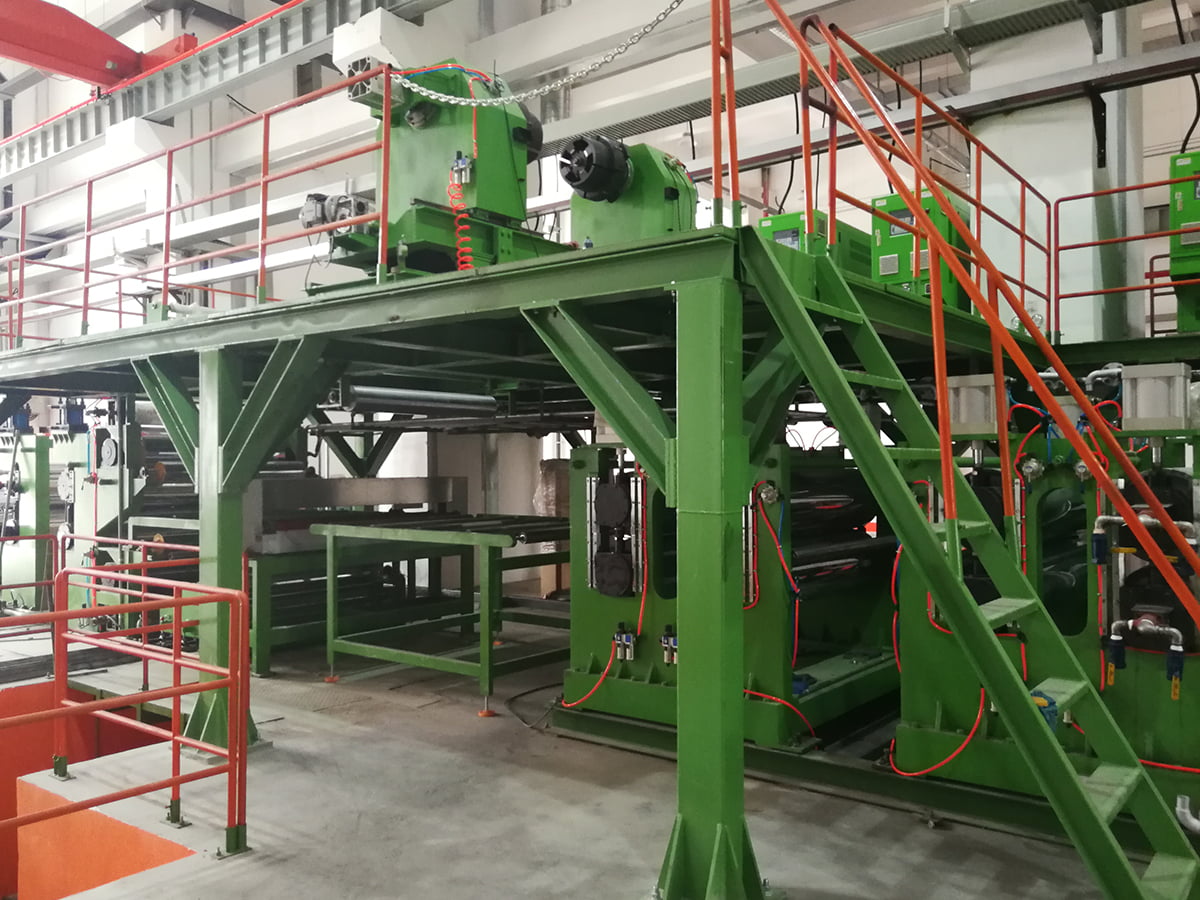
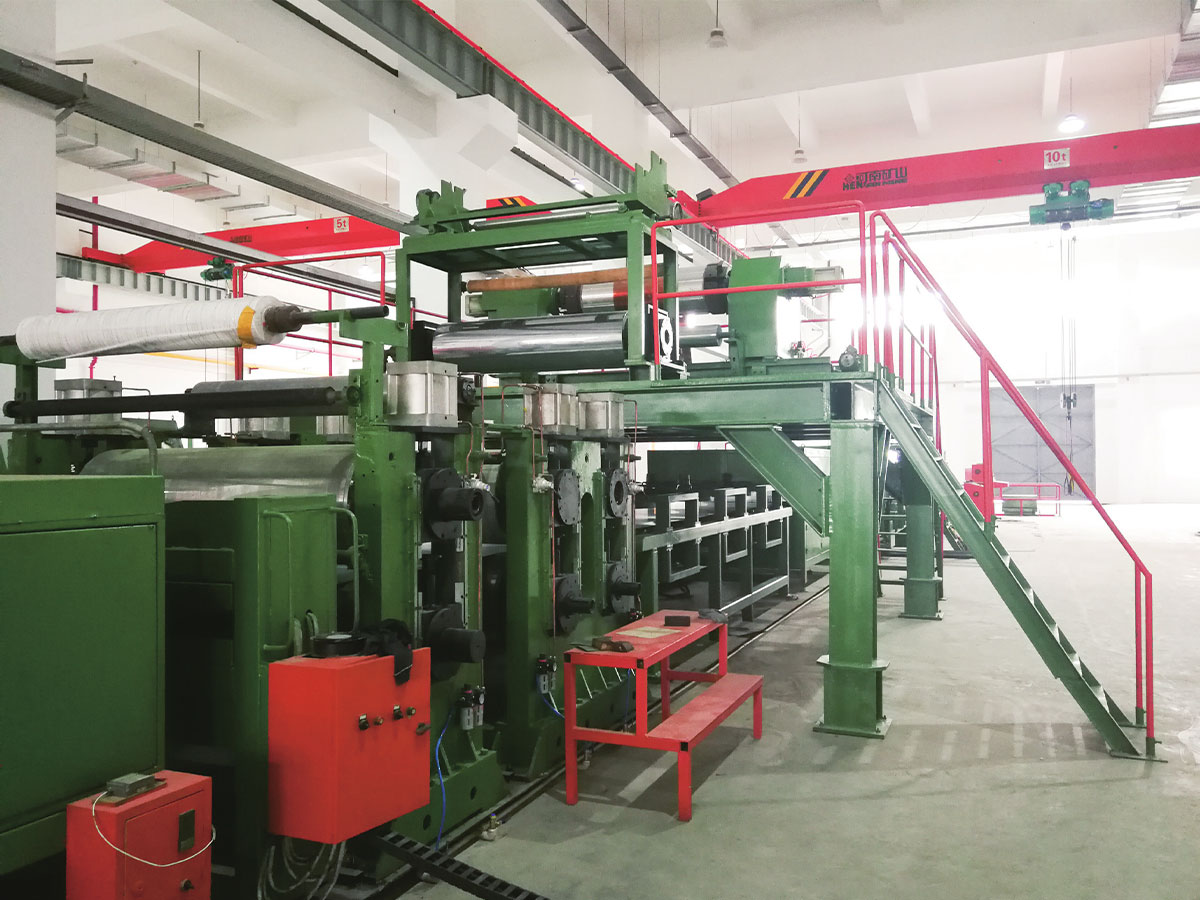
The clean, pretreated strip passes through a roll coater — the defining piece of equipment in a coil coating line. Roll coaters apply liquid paint in a precisely controlled, continuous film using a system of applicator and pick-up rollers. The primer is applied to one or both sides of the strip at a controlled wet film thickness, typically producing a dry film thickness of 5 to 10 micrometers.
Stage 4: Primer Curing Oven
The primer-coated strip enters a convection or combined convection/infrared curing oven. Peak metal temperature (PMT) — the maximum temperature the metal reaches — is precisely controlled, typically between 200°C and 250°C for polyester-based systems. The strip dwell time in the oven is a function of line speed and oven length, and must deliver sufficient thermal energy to fully cross-link the primer coating without overcuring.
Stage 5: Topcoat Application and Curing
After cooling, the primed strip receives the topcoat — the layer that determines the final color, gloss level, texture, and functional properties. Topcoat dry film thickness typically ranges from 15 to 25 micrometers for standard architectural applications, and up to 200+ micrometers for plastisol or high-build coatings. The topcoat passes through a second curing oven with independently controlled temperature zones. Some line configurations include a third coating pass for back coat or specialty functional layers.
Stage 6: Cooling, Inspection, and Recoiling
After the final curing oven, the coated strip passes through water-cooled quench rolls and air cooling sections to reduce strip temperature to a safe handling level before winding. Inline inspection systems — including surface defect cameras, thickness gauges, and color measurement sensors — monitor quality continuously. The finished coil is wound at the exit recoiler, trimmed, labeled, and prepared for dispatch.
Key Control Systems That Ensure Coating Quality
| Control System | What It Controls | Quality Parameter Protected |
|---|---|---|
| Coating thickness control | Roll coater gap and roller speed ratio | Uniform dry film thickness across web width |
| Oven temperature control | Zone-by-zone burner output and airflow | Peak metal temperature and cure completeness |
| Tension control system | Strip tension at each line section | Strip flatness, edge quality, winding tightness |
| Line speed control | Synchronized drive speeds across all sections | Consistent oven dwell time and coating weight |
| Solvent/VOC management | Oven exhaust and thermal oxidizer operation | Environmental compliance and fire safety |
Coating Types Applied on Coil Coating Lines
- Polyester (PE): The most widely used topcoat — good color retention, flexibility, and cost-effectiveness. Standard dry film thickness 15–25 µm. Used in roofing, cladding, and general construction.
- High-durability polyester (HDP/SMP): Enhanced UV resistance through modified resin chemistry. Suitable for facades and roofing in high-sun-exposure climates.
- Polyvinylidene fluoride (PVDF): Premium coating with outstanding UV resistance and color retention over 20+ years. Used on high-specification architectural cladding.
- Plastisol (PVC): Thick-film coating (100–200+ µm) with excellent formability and scratch resistance. Common in agricultural buildings and cold-store cladding.
- Functional coatings: Specialty systems including self-cleaning (photocatalytic TiO2), antibacterial (silver-ion), heat-reflective, and food-safe coatings for specific end markets.
Industries and Applications Served by Coil-Coated Metal
- Construction: Roofing sheets, wall cladding, rainwater goods, structural decking — the largest end market for coil-coated steel and aluminum globally.
- Appliances: Washing machine lids and panels, refrigerator doors, oven housings — where consistent color and cleanable surfaces are essential.
- Automotive: Door panels, underbody components, and fuel tank blanks where pre-applied corrosion protection reduces downstream processing cost.
- Packaging: Can ends, aerosol containers, and food packaging where food-safe lacquer coatings are applied inline.
- HVAC and industrial: Air handling unit panels, ducting, and ventilation components requiring corrosion resistance and clean appearance.
Why Coil Coating Outperforms Post-Fabrication Painting
Coil coating applies paint to flat strip before fabrication — the opposite of painting finished parts. This sequence offers substantial advantages:
- Coating efficiency: Transfer efficiency on a roll coater exceeds 95% — far higher than spray painting (40–70%), dramatically reducing paint waste and solvent emissions.
- Consistency: Machine-applied coatings have tighter thickness tolerances (±1–2 µm) than any manual or batch spray process, ensuring uniform appearance across every meter of strip.
- Speed: A single coil coating line can finish material at speeds that would require dozens of spray booths to match for equivalent output volume.
- Surface access: Flat strip allows the coater to reach all surfaces uniformly — complex fabricated shapes inevitably have coating shadowing, runs, or thin spots in recessed areas.