grammy@cjm.com.cn

 English
 русский
 Español
 عربى
عربى
Content
A PVC/PU leather production line is an integrated set of industrial machinery that transforms base substrates — typically woven or non-woven fabrics — into synthetic leather by applying and processing polyvinyl chloride (PVC) or polyurethane (PU) coatings through a series of sequential stages. The finished material replicates the look, feel, and durability of natural leather at a fraction of the cost, and is used across footwear, furniture, automotive interiors, bags, and garment manufacturing.
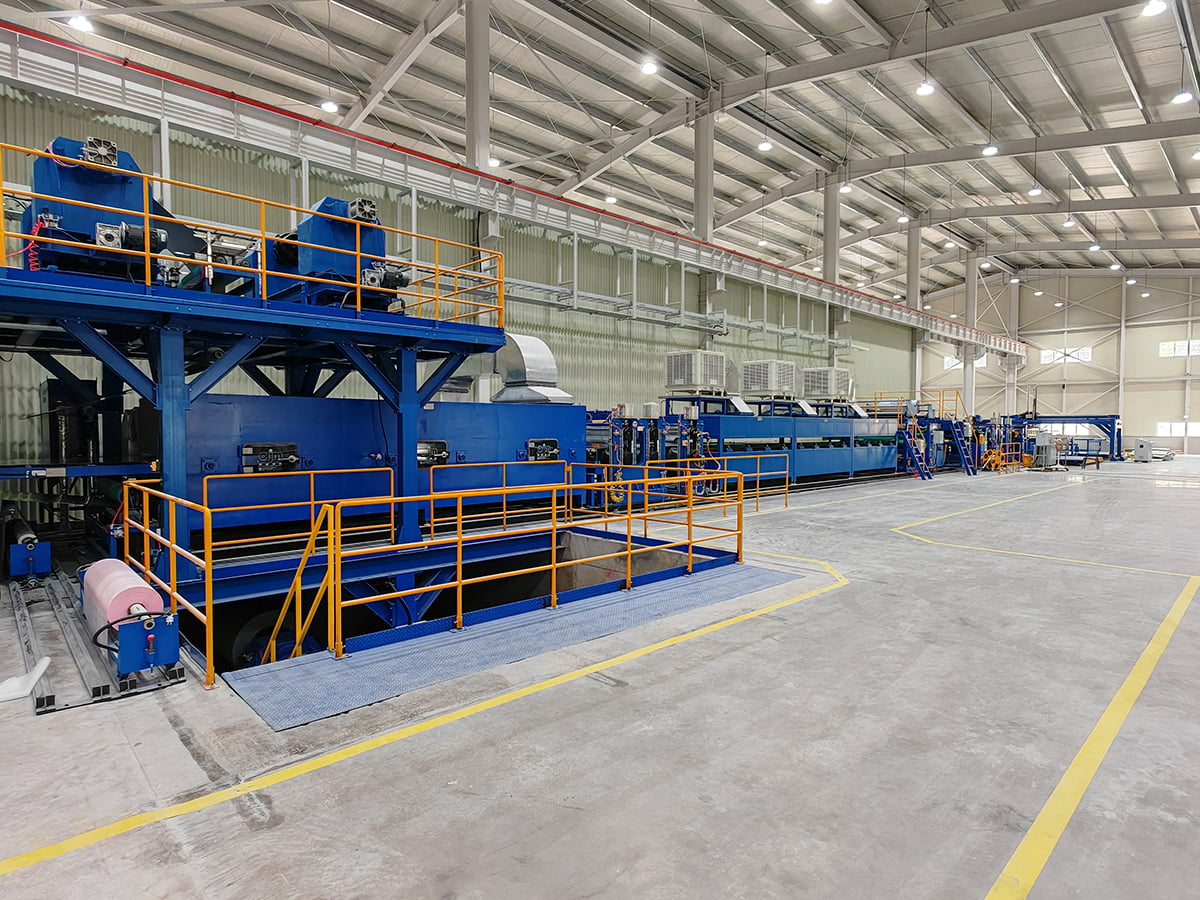
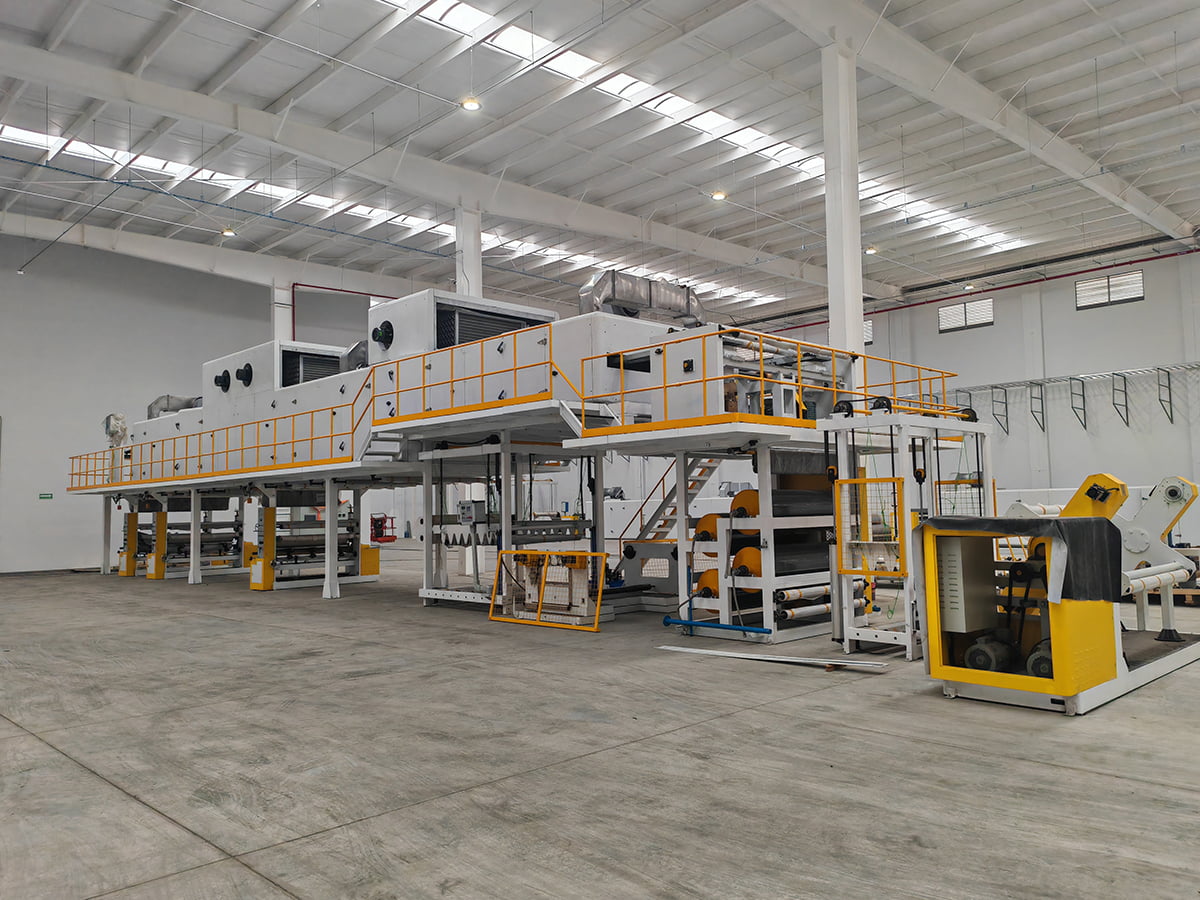
A complete production line typically spans 40 to 120 meters in length and can produce between 800,000 and 3,000,000 linear meters of synthetic leather per year, depending on line speed, configuration, and material type. PVC and PU lines share a similar architectural logic but differ in chemistry, process temperature, and finishing requirements.
PVC vs. PU Leather: Key Differences in Production
| Feature | PVC Leather Line | PU Leather Line |
|---|---|---|
| Base material | Knitted or woven fabric | Non-woven or woven fabric |
| Coating chemistry | PVC paste with plasticizers | Polyurethane resin |
| Processing temperature | 160–220°C (gelation oven) | 100–150°C (drying oven) |
| Breathability | Low | Moderate to high |
| Typical applications | Bags, upholstery, stationery | Footwear, automotive, garments |
| Environmental profile | Contains chlorine; less eco-friendly | Lower VOC options available |
Core Stages of a PVC/PU Leather Production Line
Stage 1: Substrate Unwinding and Tensioning
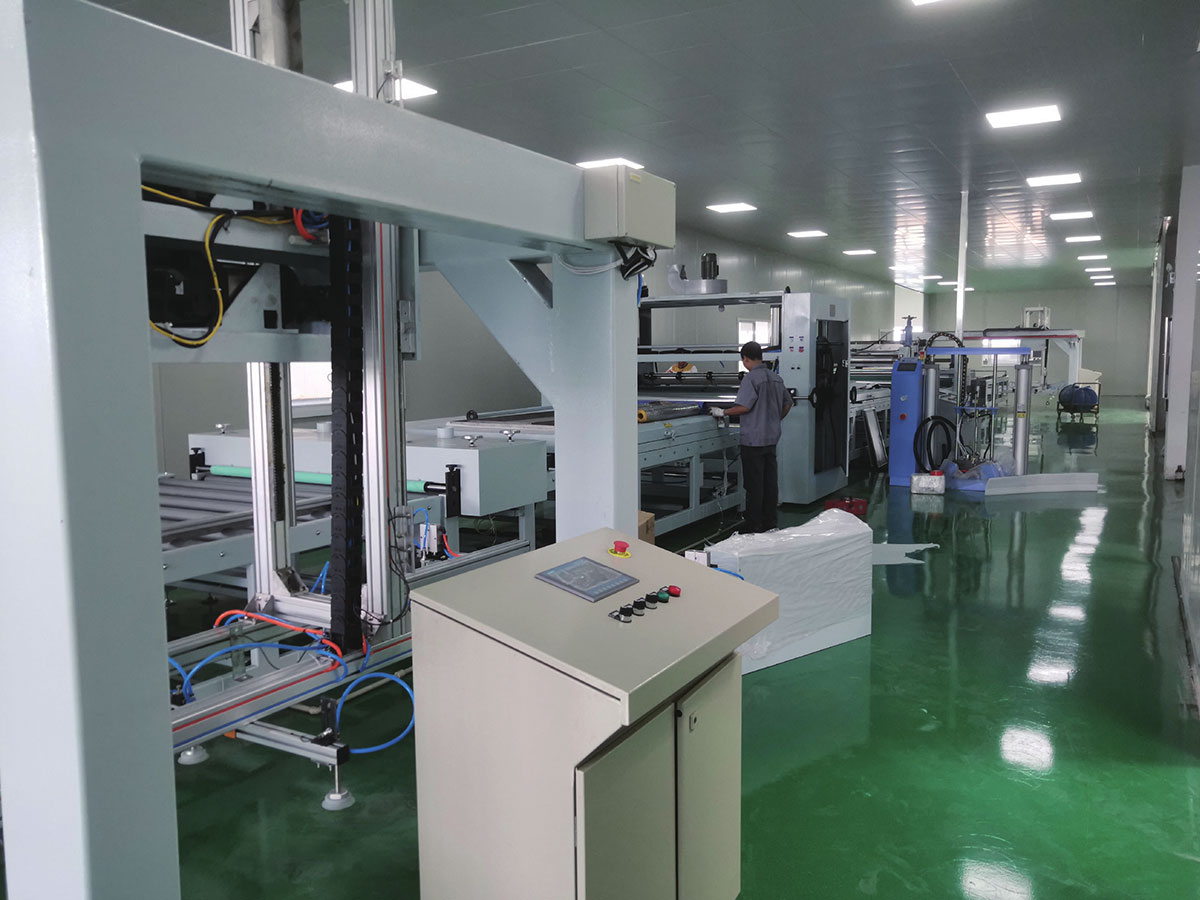
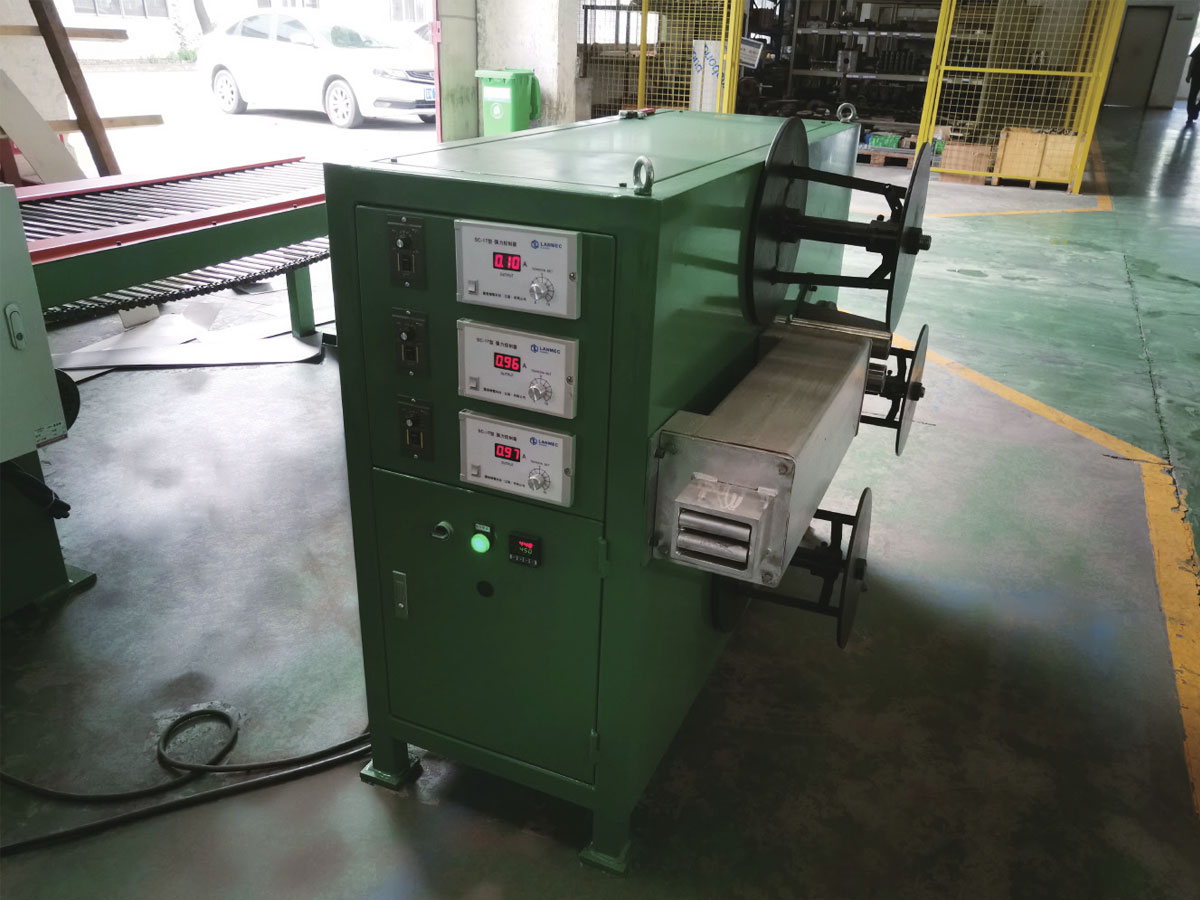
The fabric substrate is loaded onto an unwinding stand at the feed end of the line. Tension control systems maintain consistent fabric feed speed — typically 8 to 25 meters per minute — to prevent stretching or misalignment before coating begins.
Stage 2: Coating Application
For PVC lines, a knife-over-roll or knife-over-gap coater deposits a measured layer of PVC paste onto the substrate. PU lines may use a comma coater or transfer coating method, applying one or more layers of polyurethane resin. Coating thickness is precisely controlled — typically between 0.1 mm and 0.5 mm per layer — to achieve the desired hand feel and durability.
Stage 3: Oven Curing or Gelation
The coated fabric passes through a multi-zone oven. PVC lines use high-temperature gelation ovens (up to 220°C) to fuse the PVC paste into a solid film. PU lines use lower-temperature drying ovens to evaporate solvents or cure water-based resins. Oven length typically ranges from 20 to 40 meters, with independently controlled heating zones.
Stage 4: Embossing and Surface Texturing
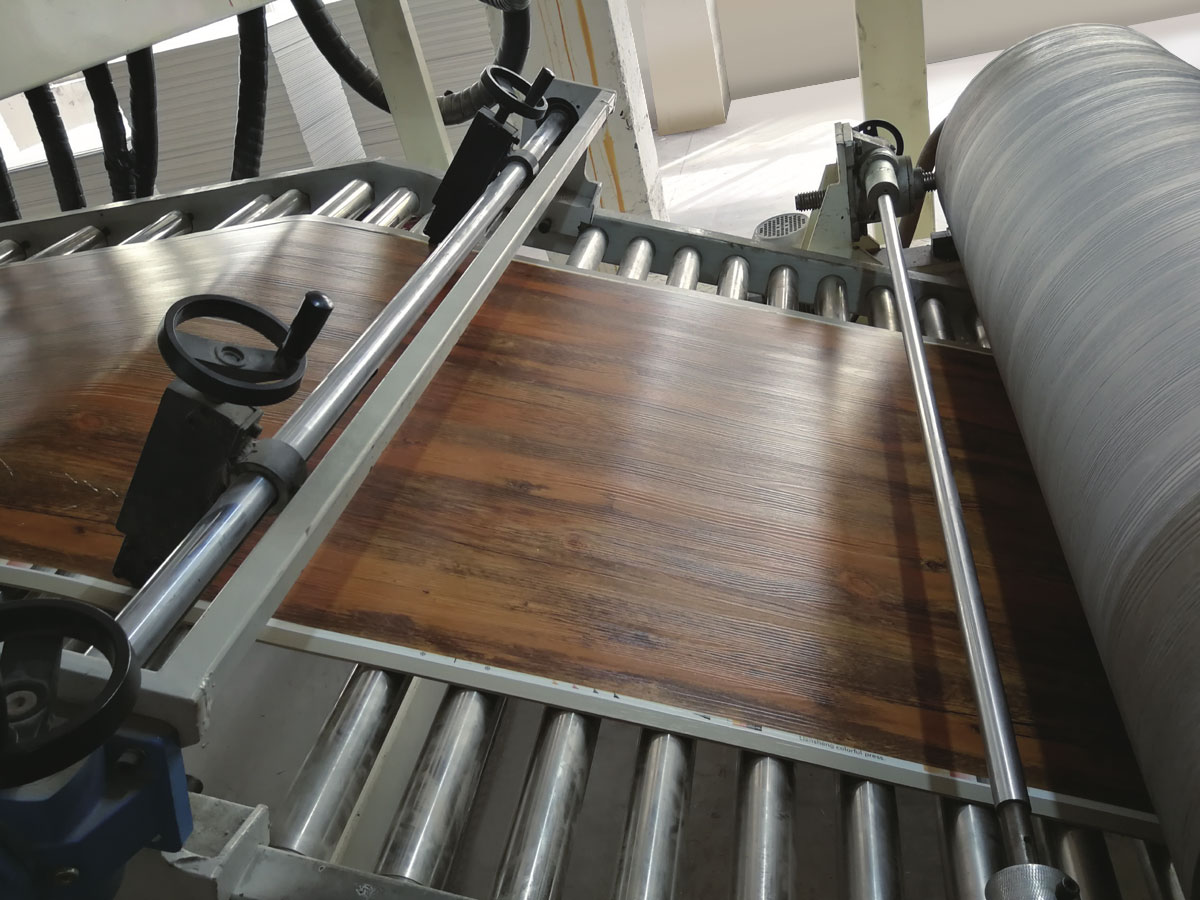
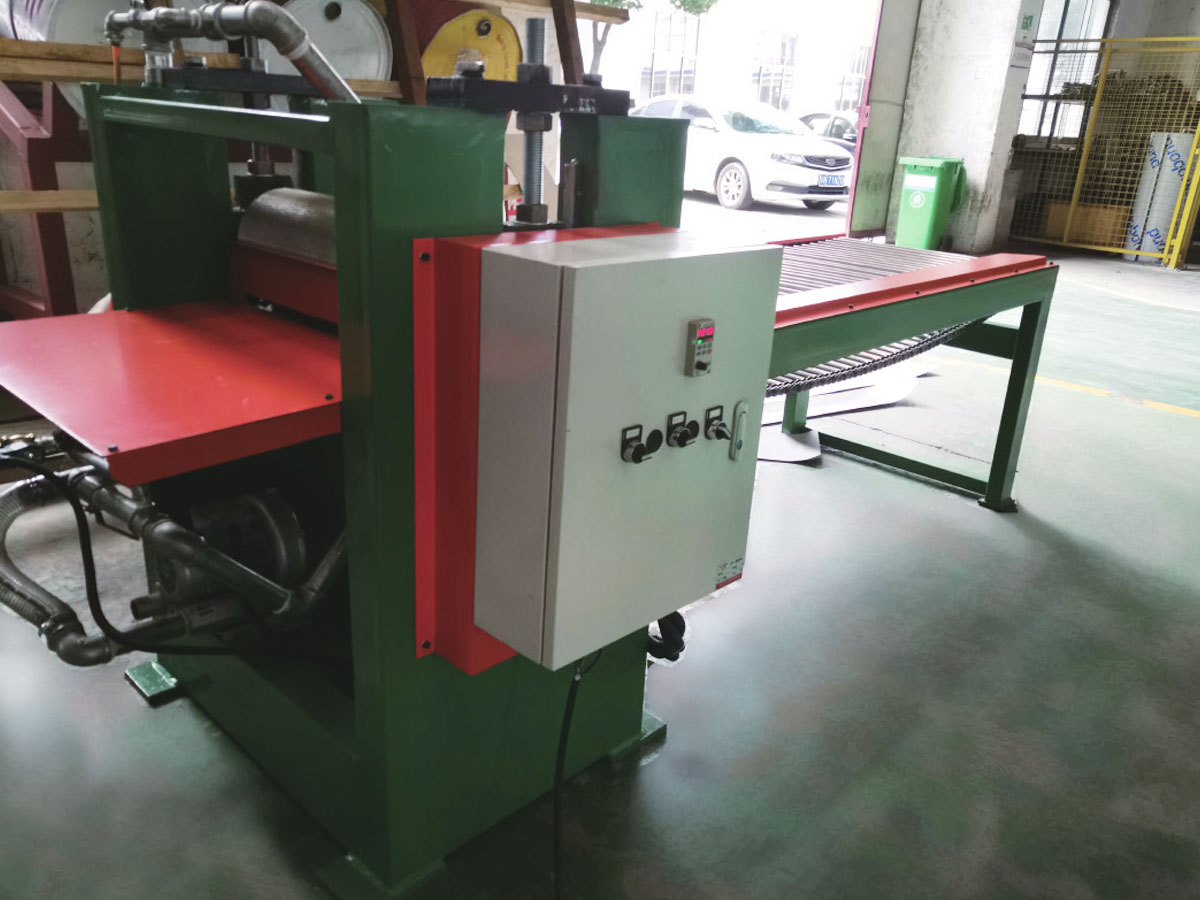
After curing, the leather passes through an embossing calendar — a heated roller engraved with the desired texture pattern (grain, pebble, suede, etc.). This stage determines the final surface appearance and can replicate natural leather textures with high fidelity.
Stage 5: Cooling and Surface Treatment
Cooling rollers stabilize the embossed surface. Surface treatment stations then apply topcoat finishes — matte, gloss, or semi-gloss — along with color adjustments or antimicrobial treatments depending on the end application.
Stage 6: Winding and Quality Inspection
The finished leather is wound onto rolls at the take-up end. Inline quality systems — including thickness gauges, surface scanners, and color sensors — flag defects in real time. Standard roll lengths are typically 50 to 100 meters per roll.
Key Equipment Components in the Line
- Unwinding stand: Holds and controls the feed of the base fabric roll.
- Coating head: Applies the PVC paste or PU resin at controlled thickness and uniformity.
- Multi-zone oven: Provides zoned temperature control for consistent curing across the full web width.
- Embossing calendar: Heated embossing rollers that impart texture and set the surface finish.
- Cooling station: Reduces material temperature to stabilize the embossed texture before winding.
- Surface treatment unit: Applies topcoats, colors, or functional finishes.
- Winding station: Collects the finished product on cores at controlled tension.
Factors That Determine Production Line Performance
When evaluating a PVC/PU leather production line, the following parameters have the greatest impact on output quality and operational efficiency:
- Working width: Standard lines range from 1,400 mm to 2,200 mm. Wider lines increase output but require more precise tension and temperature uniformity.
- Line speed: Higher speeds (20+ m/min) increase volume but reduce dwell time in the oven, requiring precise temperature calibration.
- Oven temperature uniformity: Variations exceeding ±5°C across the web width can cause uneven curing, surface defects, or adhesion failure.
- Embossing roller quality: Roller engraving depth and surface hardness directly determine texture consistency and roll-to-roll repeatability.
- Automation level: Modern lines with PLC control and servo drives reduce operator dependency and minimize batch-to-batch variation.
Industries and Applications Served
PVC and PU synthetic leathers produced on these lines serve a wide range of end markets:
- Footwear: Upper materials, linings, and soles — PU leather dominates due to its breathability and flexibility.
- Furniture and upholstery: Sofas, chairs, and headboards — PVC leather is widely used for its abrasion resistance and low cost.
- Automotive interiors: Seat covers, door panels, and dashboards — both PVC and PU are used depending on OEM specifications.
- Bags and accessories: Handbags, wallets, and belts — PU leather offers a premium appearance at competitive cost.
- Sporting goods and protective gear: Gloves, ball coverings, and padding materials.