grammy@cjm.com.cn

 English
 русский
 Español
 عربى
عربى
Content
- 1 The Continuous Process Principle: Why the Line Never Stops
- 2 Stage-by-Stage Working Principle: The Complete Process Chain
- 3 The Three Critical Control Systems That Govern Line Performance
- 4 Roll Coater Technology: How Coating Is Applied to the Strip
- 5 Curing Oven Technology: Converting Liquid Coating to Durable Film
- 6 Performance Outcomes: What the Coil Coating Process Delivers
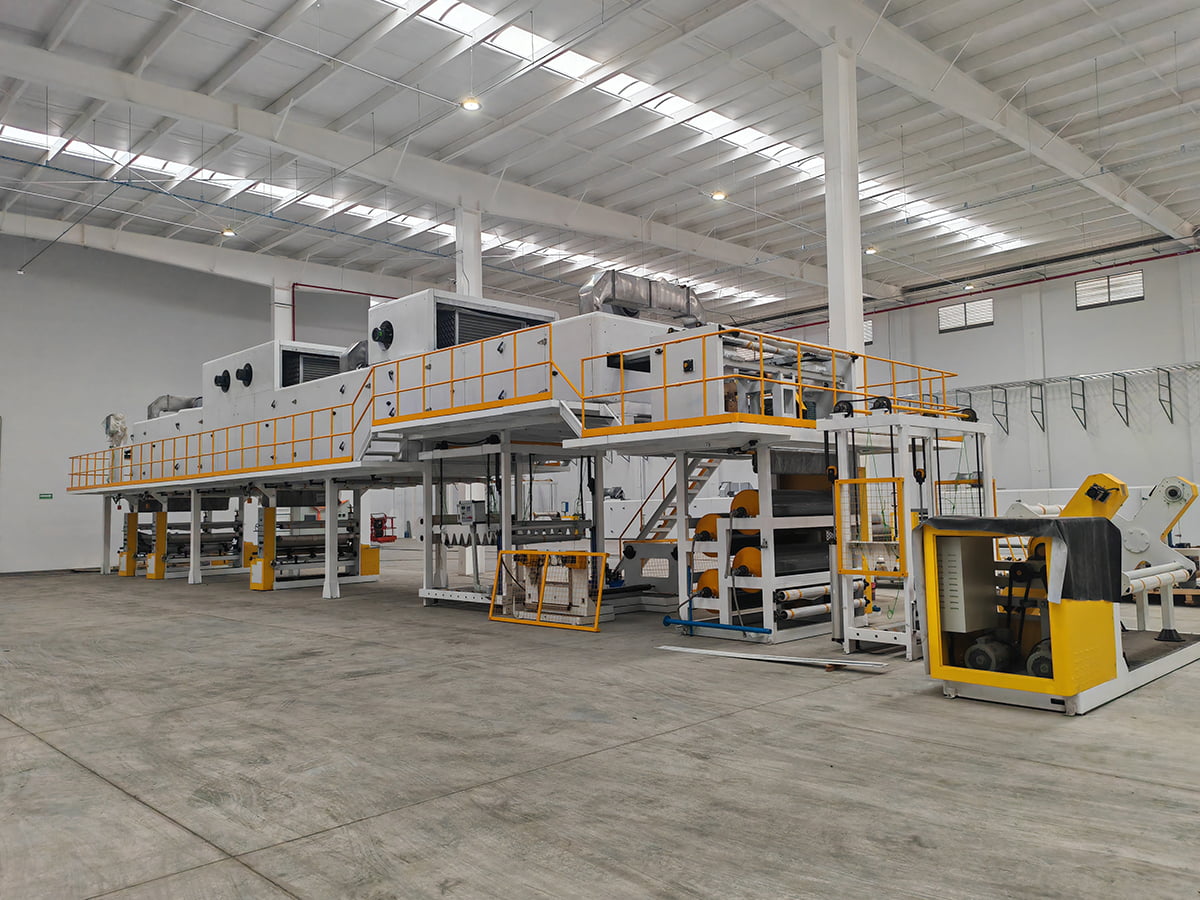
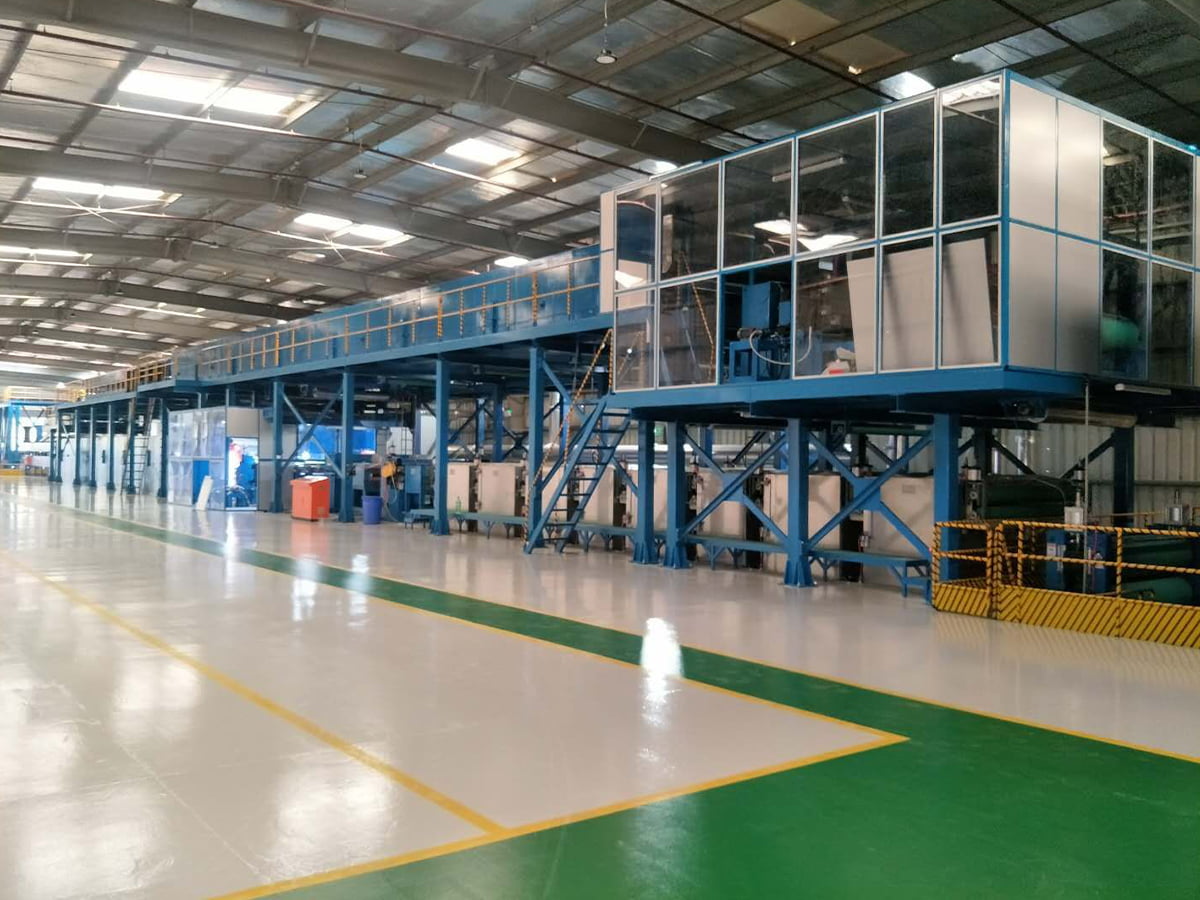
A metal coil coating line works by continuously passing a strip of steel or aluminum through a precisely sequenced series of process stations — including surface pretreatment, primer and topcoat application, high-temperature curing, and controlled cooling — before rewinding the finished, pre-painted coil at the exit end. The entire process is uninterrupted: raw coil enters at one end and exits as a fully coated, quality-inspected product at the other, without stopping. This continuous operating principle, combined with high-precision control systems for coating thickness, temperature, and strip tension, makes coil coating one of the most efficient and consistent methods of applying protective and decorative finishes to metal substrates in industrial manufacturing.
The Continuous Process Principle: Why the Line Never Stops
The defining characteristic of a coil coating line is its continuous operation. Unlike batch coating processes where individual parts are processed separately, a coil coating line maintains unbroken strip movement from entry to exit — typically at line speeds of 30 to 150 meters per minute depending on substrate type, coating system, and curing requirements.
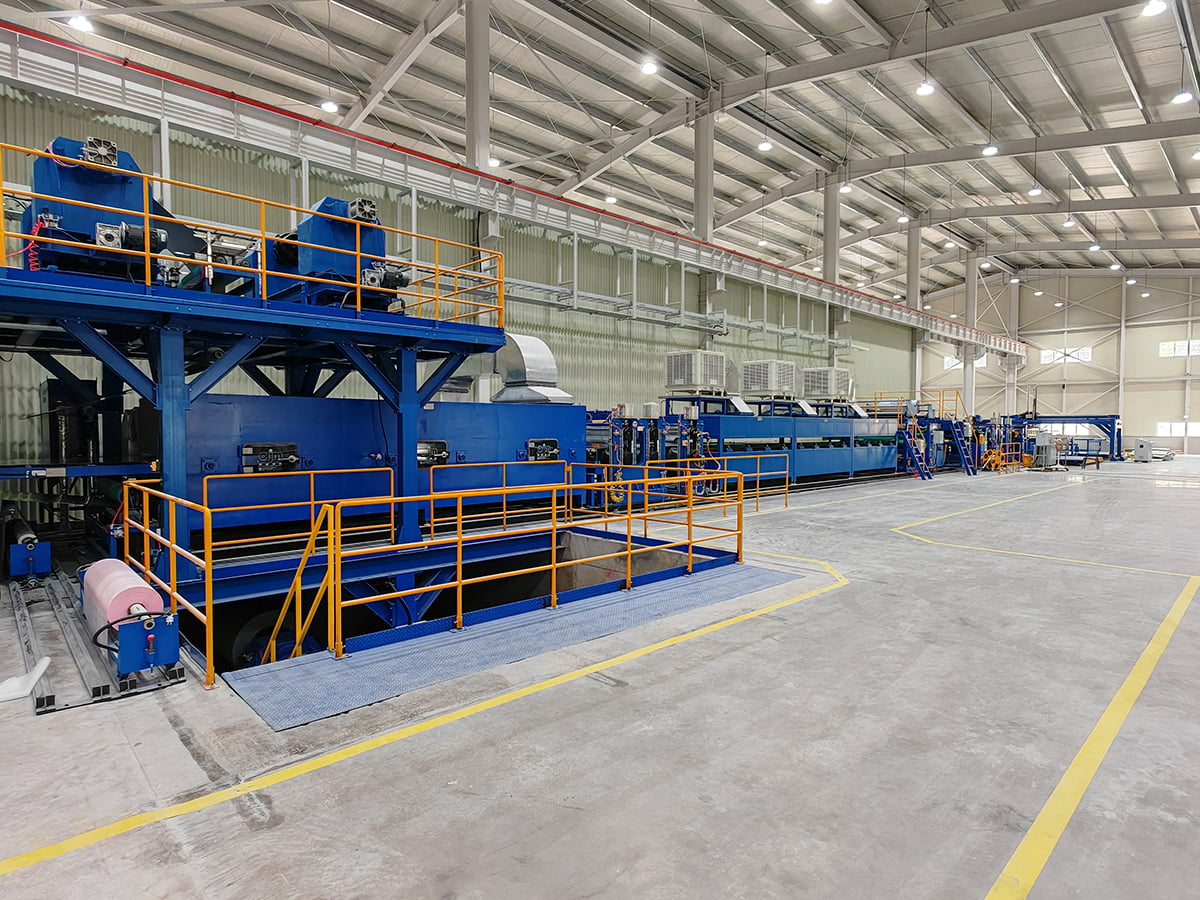
Continuity is maintained even when a spent coil must be replaced with a new one. Entry-end accumulators — large loop towers that store a reserve length of strip — allow the uncoiler to stop and a new coil to be welded to the tail of the previous one, while the rest of the line continues running from accumulated strip. Exit-end accumulators perform the equivalent function at the recoiler. This accumulator system is fundamental to the continuous principle: the coating, curing, and tension zones never experience a speed interruption, ensuring uniform coating quality throughout the entire production run.
Stage-by-Stage Working Principle: The Complete Process Chain
A full coil coating line operates through a sequence of interdependent stages, each contributing a specific transformation to the metal strip as it passes through. Understanding each stage explains how raw coil becomes finished pre-painted metal.
Stage 1 — Loading and Uncoiling
The process begins at the entry end where a mandrel-type uncoiler unwinds the raw metal coil and feeds it into the line under controlled tension. A flattening or straightening unit removes the coil set — the residual curvature from being wound — before the strip enters the pretreatment section. The entry accumulator loop builds up sufficient strip reserve to allow coil joining without stopping downstream processes.
Stage 2 — Surface Pretreatment
Pretreatment is the most chemically critical stage of the coil coating process and directly determines the adhesion, corrosion resistance, and long-term durability of the applied coating. The strip passes sequentially through several chemical treatment tanks:
- Degreasing / cleaning: Alkaline or acidic cleaning solutions remove surface oils, rolling lubricants, iron fines, and other contaminants left from the rolling mill. Brush scrubbers and high-pressure spray systems ensure complete surface contact. Residual cleaner is removed by rinsing with deionized water
- Conversion coating (chemical treatment): The cleaned metal surface passes through a conversion coating bath — typically chromate, chrome-free passivation, or zinc phosphate depending on substrate and performance requirements. This chemical reaction creates a microscopic crystalline or amorphous layer on the metal surface that dramatically improves coating adhesion and provides additional corrosion barrier protection beneath the paint system
- Rinsing and drying: Multiple deionized water rinse stages remove chemical residues, followed by a drying oven that evaporates all moisture from the strip surface before it enters the coating section. Surface moisture at the coating stage would cause adhesion failure and coating defects
Stage 3 — Primer Coat Application and Curing
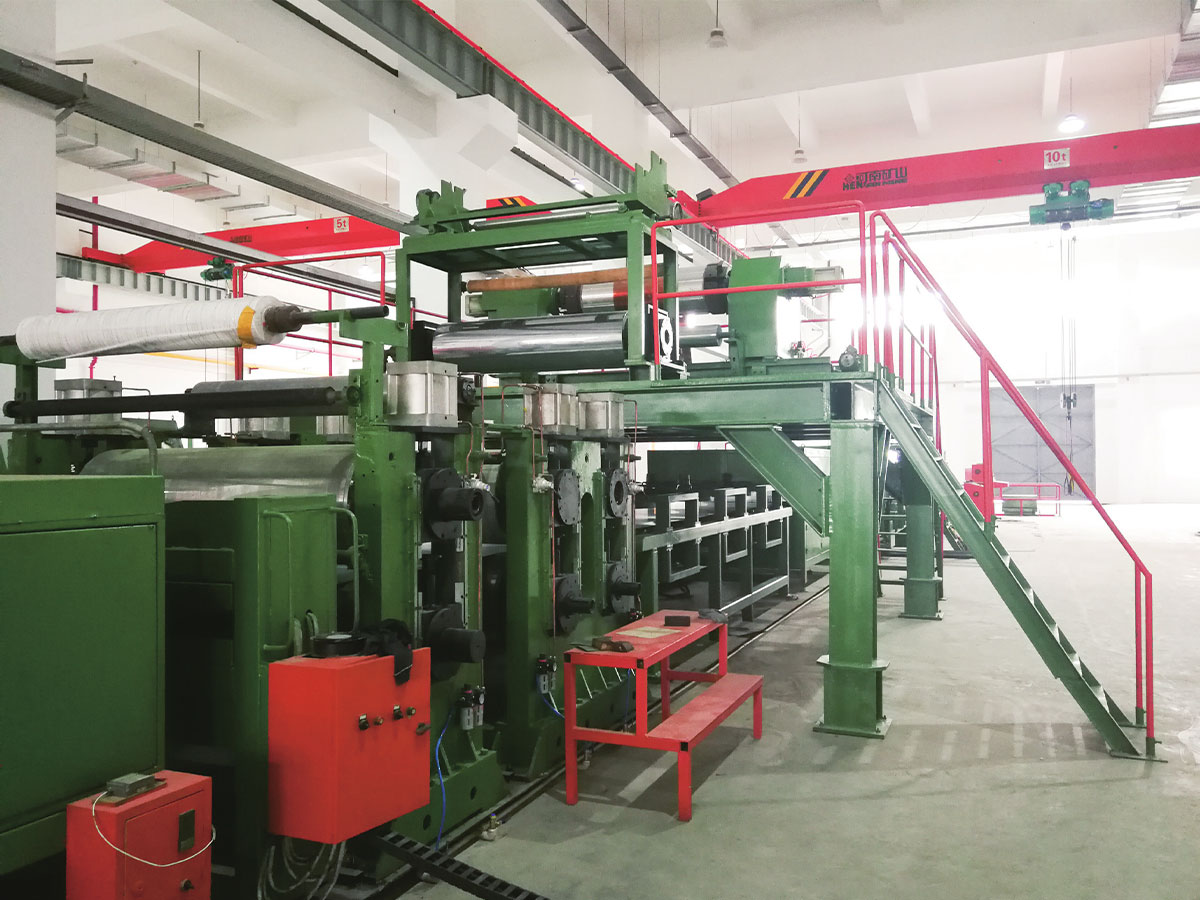
After pretreatment, the strip enters the first coating station where primer is applied to both surfaces simultaneously using precision coating heads — typically roll coater systems consisting of a pick-up roll, applicator roll, and metering roll. The roll coater transfers a precisely metered film of primer from a pan to the strip surface, with coating thickness controlled by adjusting roll speed, roll gap, and roll surface properties.
The primer-coated strip immediately enters a curing oven where it is heated to a peak metal temperature (PMT) typically in the range of 180°C to 260°C depending on the primer chemistry. This thermal curing crosslinks the primer resin, forming a hard, durable film that bonds intimately to the pretreated metal surface. After the curing oven, the strip passes through a water quench or air cooling section to rapidly reduce its temperature before the topcoat application station.
Stage 4 — Topcoat Application and Curing
The topcoat station applies the decorative and protective outer coating layer using the same roll coater principle as the primer station — but with coating formulations selected to deliver specific aesthetic properties (color, gloss, texture) and functional performance (weather resistance, hardness, flexibility, special properties such as self-cleaning or antibacterial function).
Topcoat thickness is a critical quality parameter. Standard architectural coatings are applied at 15 to 25 micrometers dry film thickness, while high-performance coatings for demanding applications may reach 35μm or more. The topcoat curing oven operates at similar temperature ranges to the primer oven, with the specific PMT profile precisely controlled to achieve the target crosslink density — which directly determines the coating's hardness, flexibility, chemical resistance, and service life.
Stage 5 — Cooling
After the topcoat curing oven, the strip must be cooled rapidly and uniformly before it can be handled by mechanical components, inspected, and rewound. Cooling is achieved through a combination of water quench tanks and air knife drying sections. The strip temperature must be reduced to below 40–50°C before recoiling to prevent the freshly cured coating from blocking (sticking to itself) on the wound coil — a defect that would render the product unusable.
Stage 6 — Inspection and Recoiling
The cooled, coated strip passes through an inline inspection zone where coating thickness, surface appearance, and color consistency are verified before the strip is rewound into finished coils on the exit recoiler. An exit accumulator loop maintains process continuity during coil changeover at the recoiler. Finished coils are then labeled, packaged, and dispatched for downstream processing such as roll forming, stamping, or direct installation.
The Three Critical Control Systems That Govern Line Performance
The precision and consistency of coil coating output depends on three integrated control systems that operate continuously throughout the line. Each system monitors and adjusts key process variables in real time to maintain product quality within specification.
| Control System | What It Controls | How It Works | Why It Matters |
|---|---|---|---|
| Coating Thickness Control | Wet and dry film thickness across strip width | Roll speed ratio, roll gap, and coating pan level adjustments; inline X-ray or infrared thickness gauging | Ensures consistent performance properties; prevents over- or under-application that wastes coating or produces non-conforming product |
| Temperature Control | Oven zone temperatures and strip PMT profile | Zone-by-zone burner control linked to strip speed; infrared pyrometers measure actual strip temperature at oven exit | Determines coating crosslink density — undercure leaves soft, uncured film; overcure causes embrittlement, color shift, and adhesion loss |
| Tension Control | Strip tension throughout the line from uncoiler to recoiler | Bridle roll systems at key line sections maintain independent tension zones; load cells provide continuous tension feedback | Prevents strip breakage, edge weaving, and coating application defects caused by lateral strip movement across coating rolls |
Roll Coater Technology: How Coating Is Applied to the Strip
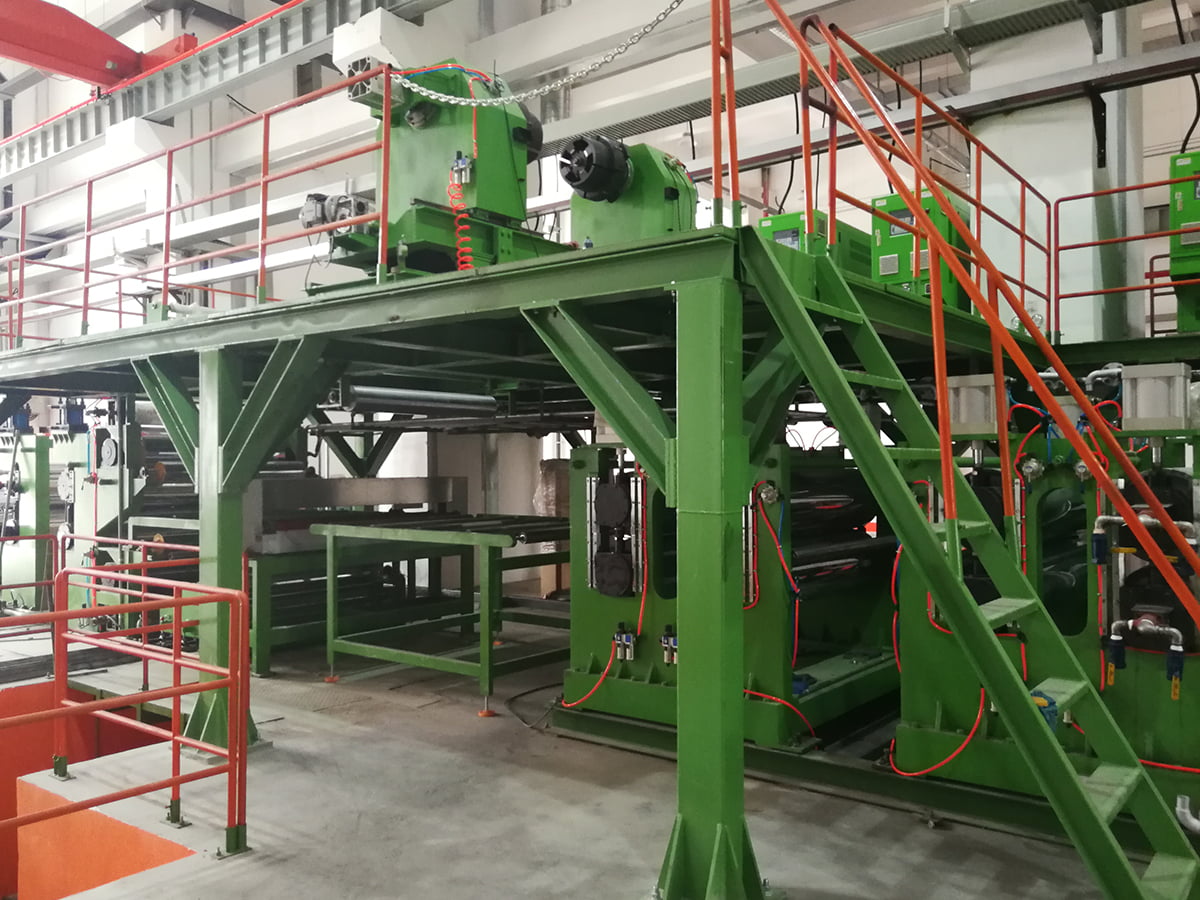
The roll coater is the heart of the coating application process. Understanding how it works explains why coil coating achieves such consistent and controllable film thickness across wide strip widths at high line speeds.
A standard three-roll coater consists of three rolls in contact:
- Pick-up roll: Rotates partially submerged in the coating pan, picking up a film of liquid coating on its surface with each revolution
- Metering roll: Rotates in contact with the pick-up roll at a controlled gap and speed ratio, metering the coating film to the precise wet film thickness required before it is transferred to the applicator roll
- Applicator roll: Transfers the metered coating film directly to the strip surface. The relative speed between the applicator roll and the strip (forward or reverse mode) determines the coating application characteristics and surface texture
By adjusting the speed ratios between these three rolls and the gap between the metering and pick-up rolls, operators can control wet film weight with a precision of ±0.5 to ±1.0 g/m² — enabling consistent dry film thicknesses within the tight tolerances that coating performance specifications require.
Curing Oven Technology: Converting Liquid Coating to Durable Film
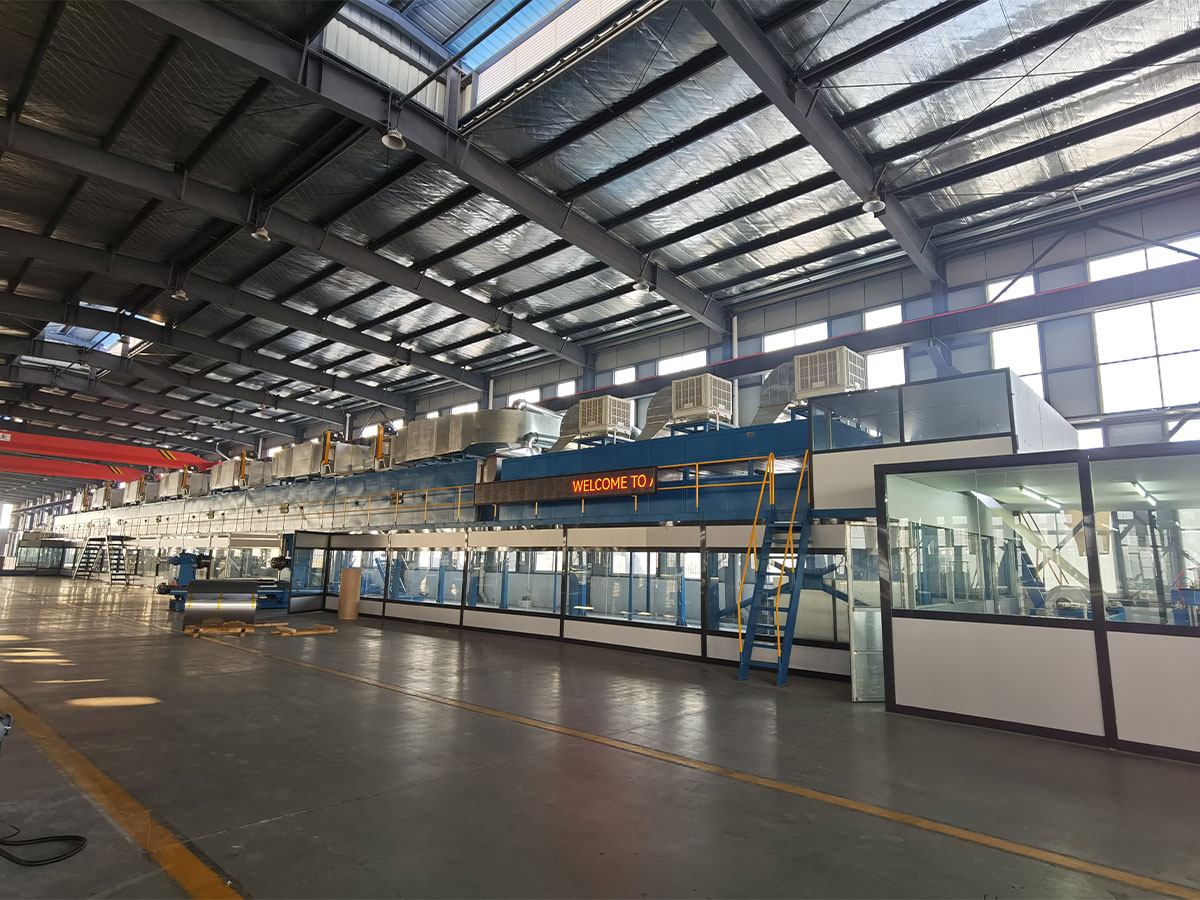
The curing oven performs the essential chemical transformation that converts the applied liquid coating into a crosslinked, durable solid film. Most coil coating ovens are direct-fired or indirect-fired gas convection ovens divided into multiple independently controlled temperature zones.
The strip passes through the oven at a speed determined by the line speed and the oven length, with the oven zones designed to produce a specific temperature-time profile at the strip surface. The critical output parameter is the peak metal temperature (PMT) — the maximum temperature the strip surface reaches during curing — which must fall within a narrow window (often only ±5°C) to achieve the target coating properties.
At PMT, the resin binders in the coating undergo crosslinking reactions — forming three-dimensional polymer networks that give the cured film its hardness, flexibility, adhesion, and resistance properties. The oven's zone temperature control system continuously adjusts burner output to compensate for changes in line speed, strip thickness, and ambient temperature — ensuring that PMT remains on target regardless of process variations.
Performance Outcomes: What the Coil Coating Process Delivers
The working principle of the coil coating line — continuous processing, precision control, and integrated pretreatment and curing — produces a coated metal product with properties that are difficult or impossible to achieve through post-fabrication painting:
- Superior surface protection: The conversion coating pretreatment combined with primer and topcoat creates a multi-layer barrier system that effectively isolates the metal substrate from moisture, oxygen, and chemical attack — significantly extending service life compared to uncoated or post-painted metal
- Consistent coating quality: The continuous, precisely controlled process delivers uniform coating thickness, color, and gloss across the entire coil length and width — a consistency level that spray painting or brush application cannot match
- Diverse finish options: Roll coating technology supports application of coatings in virtually unlimited colors, gloss levels (from matte to high gloss), and textures (smooth, embossed, structured) to meet diverse architectural and industrial aesthetic requirements
- Functional special properties: Beyond standard protection and decoration, coil coating can impart specialized surface properties including self-cleaning (photocatalytic or hydrophobic), antibacterial, heat-reflective, and fingerprint-resistant finishes — expanding the application range of metal materials into demanding end uses
- Production efficiency and cost reduction: The continuous process, high line speeds, and minimal coating waste from roll application technology produce pre-painted coil at significantly lower cost per unit area than equivalent post-fabrication coating processes — making coil-coated metal competitive across building cladding, appliance panels, automotive components, and packaging applications