grammy@cjm.com.cn

 English
 русский
 Español
 عربى
عربى
Content
- 1 Core Production Process: How the Line Works
- 2 A Key Design Innovation: Separating Core Production from Lamination
- 3 Second Generation vs. Third Generation: Key Differences
- 4 Why Infrared Heating Matters for A2 Panel Production
- 5 What Materials Can Be Processed on an A2 Line?
- 6 Key Quality Metrics for A2 Composite Panel Production
- 7 Applications Driving Demand for A2 Composite Panels
- 8 About JiangSu XieCheng Intelligent Equipment Co., Ltd.
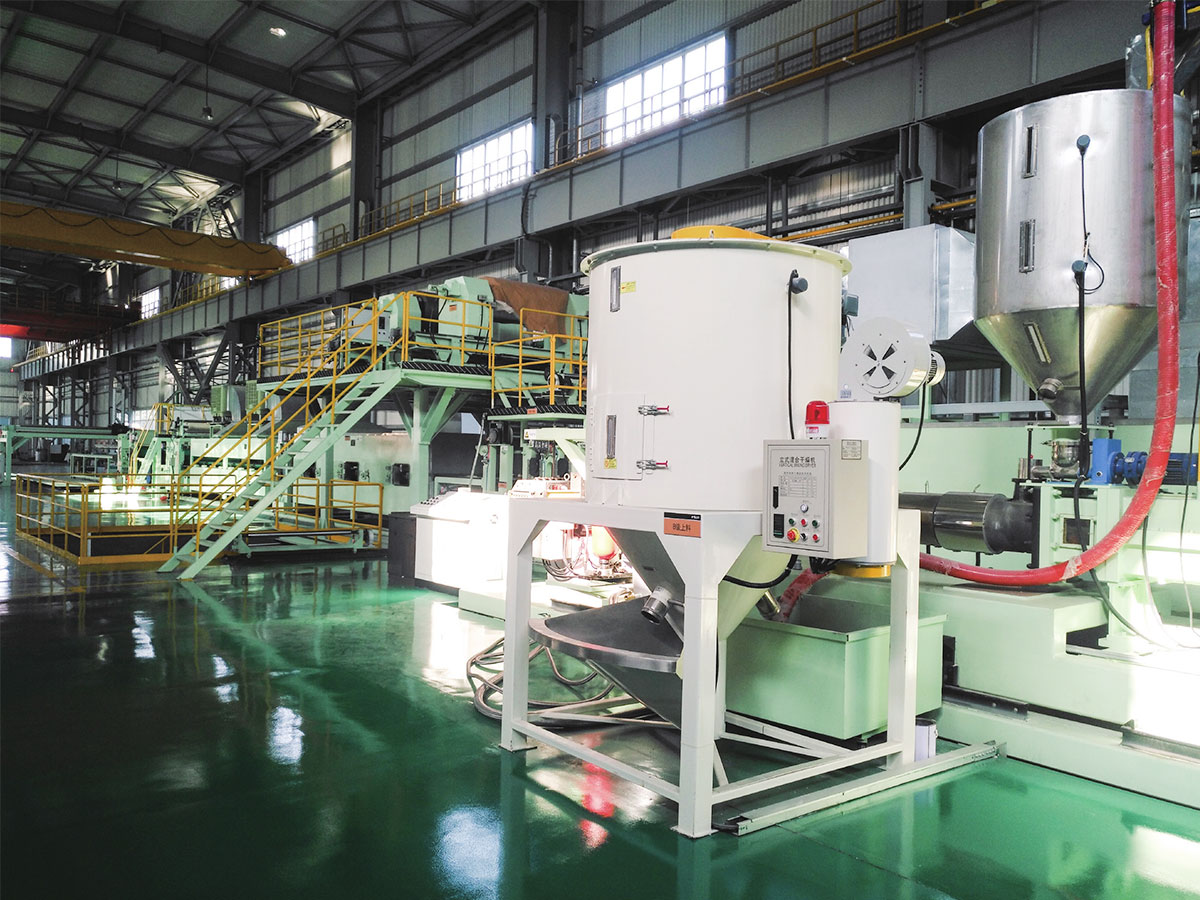
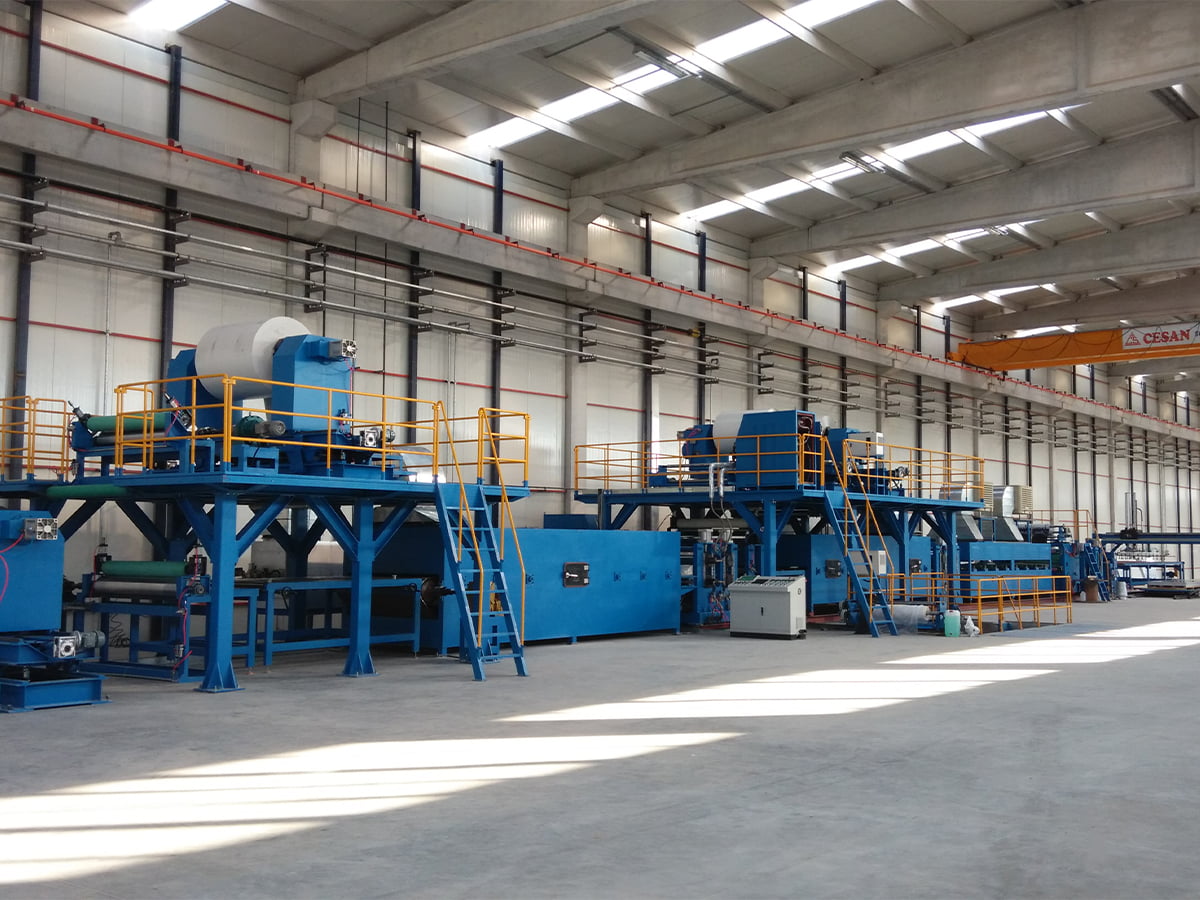
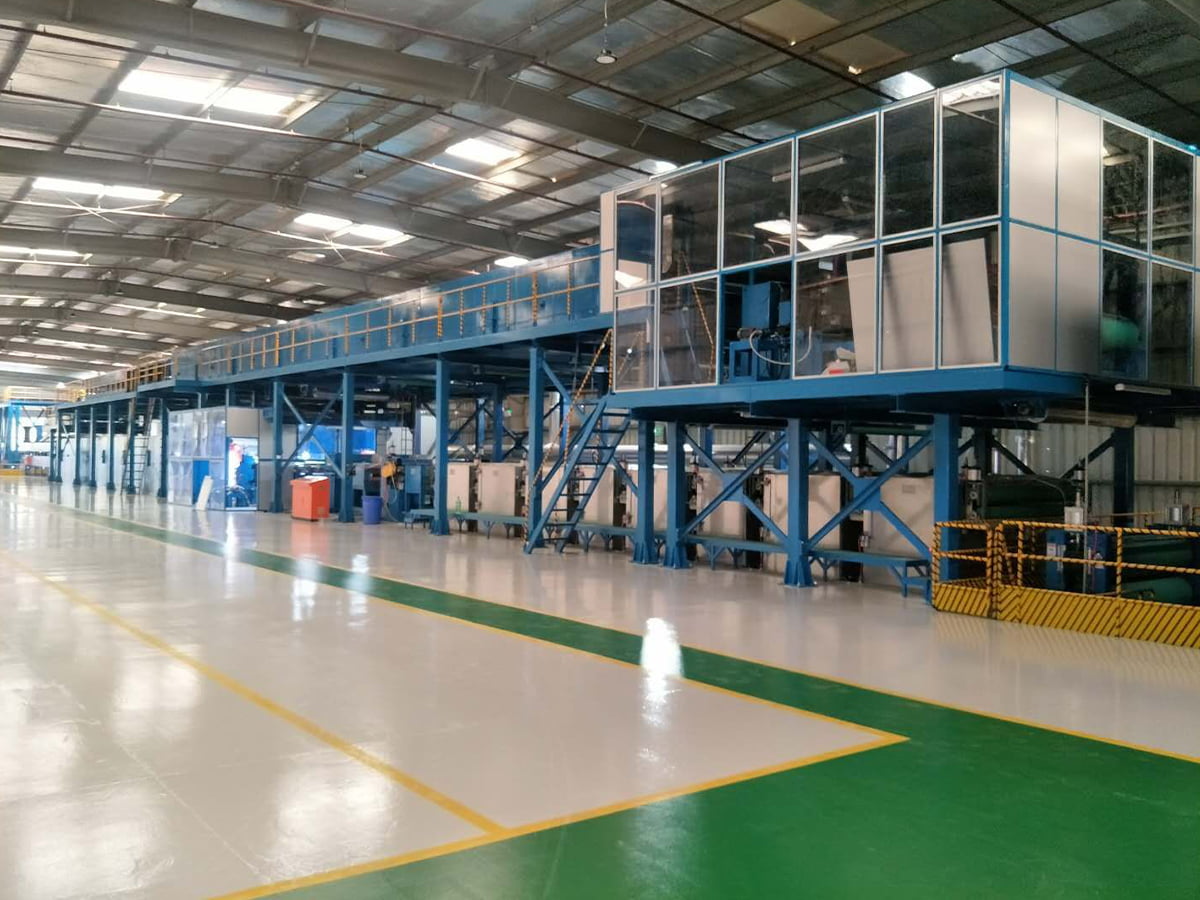
An A2 Metal Composite Panel Production Line is a specialized continuous lamination system engineered to manufacture Class A2 fire-resistant metal composite panels — a construction material required in high-rise facades, public buildings, and fire-code-sensitive projects worldwide. The line bonds an inorganic, non-combustible core coil between two metal surface layers (typically aluminum or galvanized steel) using a high-temperature hot-pressing lamination process, then precision-cuts the output to finished panel dimensions.
Unlike standard aluminum composite panel (ACP) lines, an A2 production line must handle inorganic mineral-filled core materials that behave differently under heat and pressure, demanding purpose-built heating systems, precise tension control, and process parameters calibrated for fire-rated output. The result is a panel that meets EN 13501-1 Class A2 or equivalent national fire classifications, making it suitable for cladding applications where combustible materials are prohibited.
Core Production Process: How the Line Works
The production sequence follows a continuous, in-line flow that integrates material feeding, surface preparation, lamination, cooling, and cutting into a single automated process. Understanding each stage clarifies why specific equipment choices matter for yield and panel quality.
Stage 1 — Coil Feeding and Tension Control
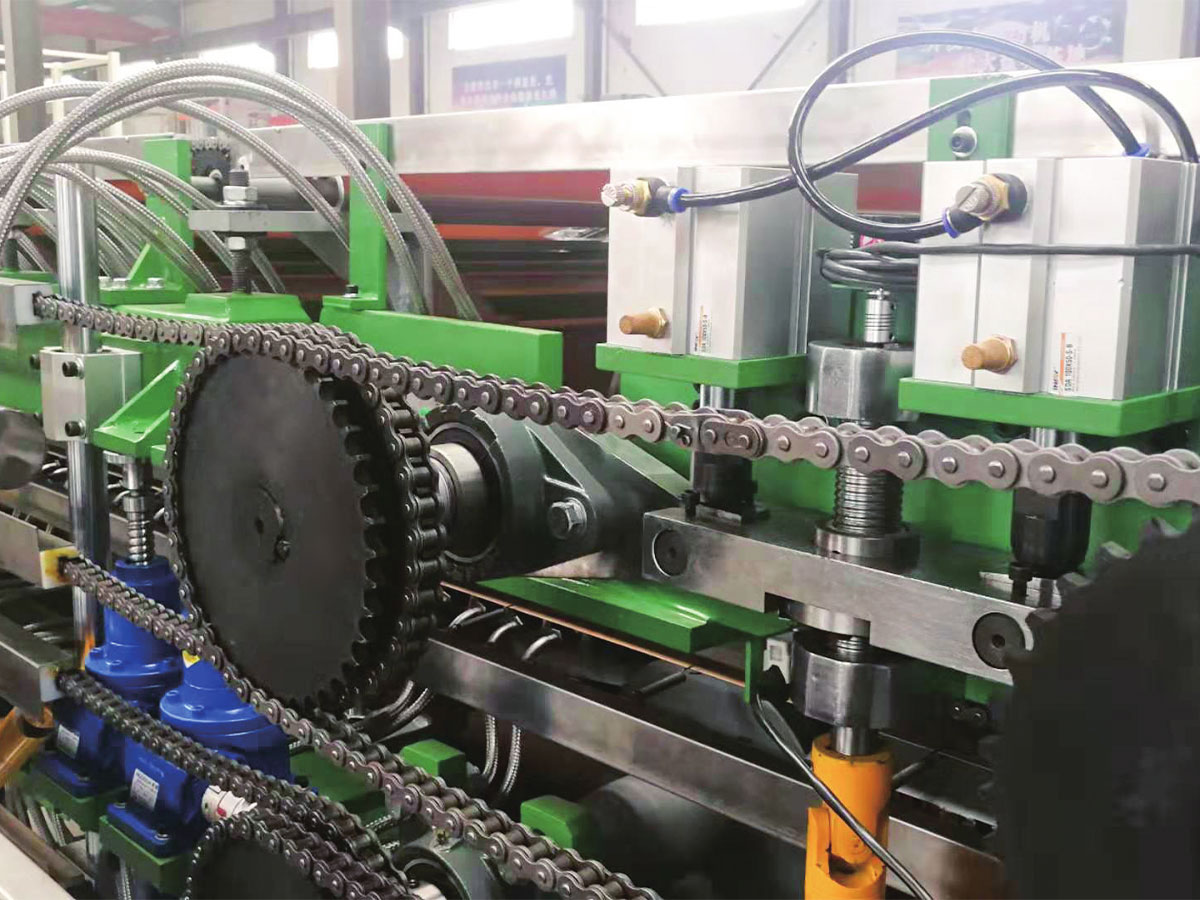
Upper and lower metal coils are loaded onto decoilers at each end of the line. Servo-controlled tension systems keep the metal skins flat and wrinkle-free throughout the run. At the same time, the pre-prepared A2 core coil is fed from its own unwind station, aligned precisely between the two metal layers before entering the heating zone.
Stage 2 — Adhesive Application
A consistent adhesive film is applied to the mating surfaces of the metal skins or the core coil. The uniformity of this layer directly affects peel strength and the long-term bond durability of the finished panel — a critical quality parameter for facade applications exposed to thermal cycling and wind load.
Stage 3 — High-Temperature Hot-Press Lamination
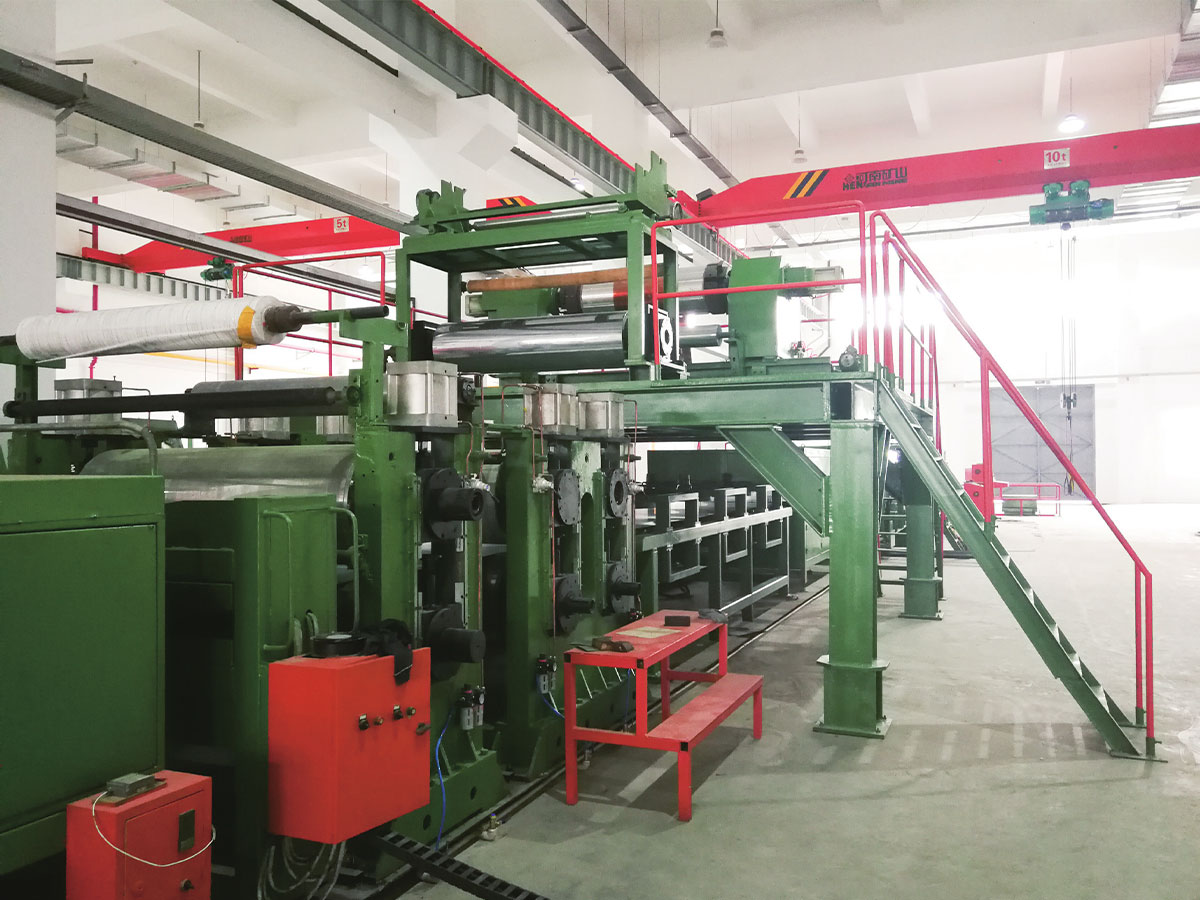
The assembled sandwich structure passes through a heated press or oven zone where controlled temperature and pressure activate the adhesive and fully consolidate the three-layer structure. Achieving uniform temperature distribution across the full panel width is the most technically demanding requirement of this stage, as hot or cold spots produce delamination defects.
Stage 4 — Cooling and Flatness Control
After lamination, the bonded panel passes through a cooling section. Controlled cooling is essential to lock in panel flatness; uneven cooling causes bow or warp that renders panels out of specification. Cooling conveyor length and airflow design are engineered based on the specific core material and panel thickness being produced.
Stage 5 — Precision Cutting to Length
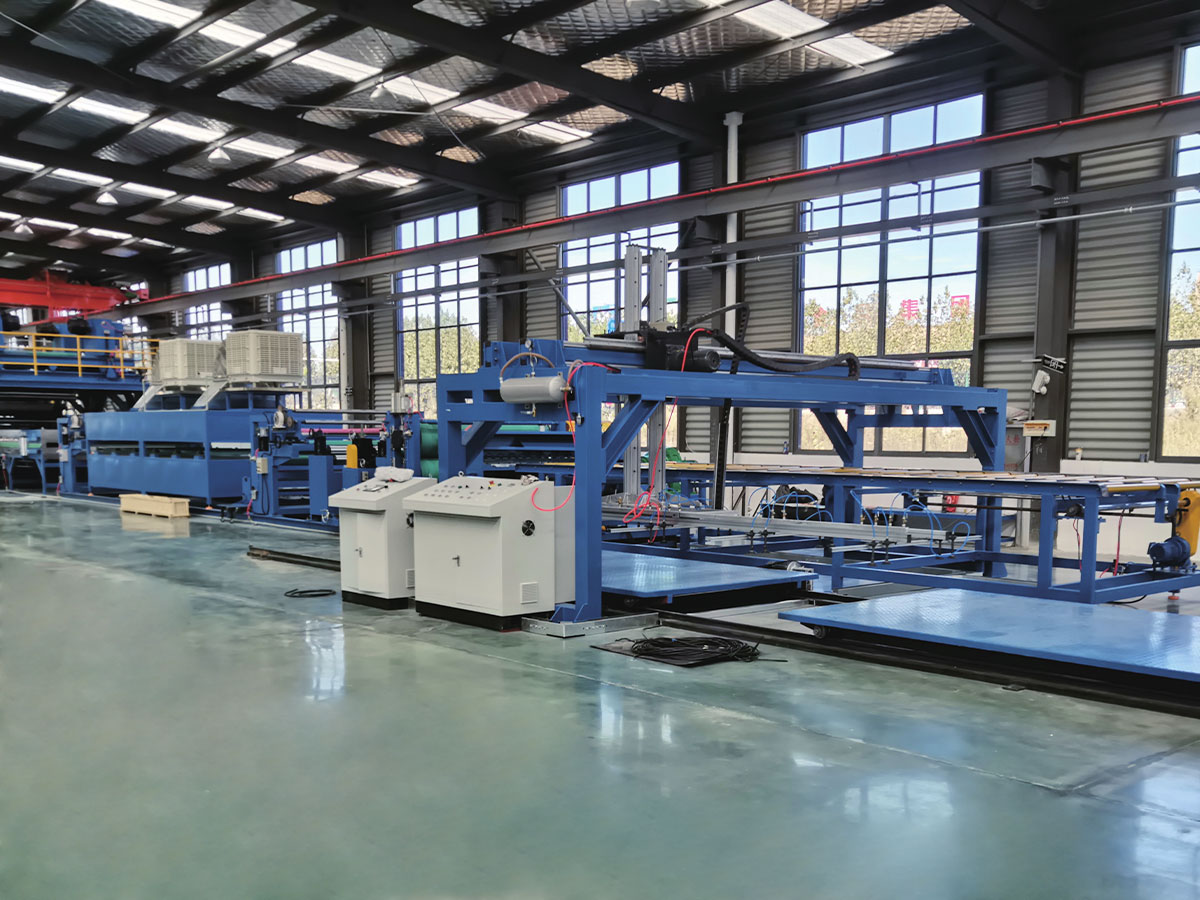
An automated flying shear or guillotine cutter trims the continuous panel strip to customer-specified lengths with tolerance typically within ±1 mm. Panels are then stacked, inspected, and prepared for shipment.
A Key Design Innovation: Separating Core Production from Lamination
Traditional A2 composite panel manufacturing required a producer to operate two interconnected workshops: one to formulate and produce the inorganic core material, and a second to laminate it into finished panels. This integrated approach demanded large capital investment, complex process control across two distinct manufacturing domains, and considerable floor space — making market entry difficult and raising the operational risk for new producers.
The second-generation A2 Metal Composite Panel Production Line developed by JiangSu XieCheng Intelligent Equipment Co., Ltd. introduced a fundamentally different approach: the core material production process is fully separated from the lamination process. Customers purchase standardized A2 fire-resistant core coils from qualified core material suppliers and feed them directly into the lamination line without any in-house core manufacturing capability required.
The practical benefits of this architecture are substantial:
- No need to build or equip a core material production workshop, reducing plant footprint requirements significantly.
- Lower total equipment investment, decreasing the capital barrier for entering the A2 panel market.
- Simpler production line structure means operators can be trained faster and process troubleshooting is more straightforward.
- Reduced operational complexity contributes directly to stable production and a finished panel yield rate exceeding 95%.
- Producers can focus their expertise on lamination quality, surface finish, and dimensional accuracy — the differentiators customers evaluate at the point of purchase.
This decoupled model has since been adopted widely in the industry and is now regarded as the standard architecture for modern A2 composite panel production lines.
Second Generation vs. Third Generation: Key Differences
JiangSu XieCheng Intelligent Equipment Co., Ltd. independently developed its second-generation A2 line in 2012, establishing the separated core-lamination architecture described above. In 2019, the company launched a third-generation line incorporating a substantially upgraded heating system. The table below summarizes the primary technical differences between the two generations.
| Feature | 2nd Generation (2012) | 3rd Generation (2019) |
|---|---|---|
| Heating Technology | Conventional heating oven | Advanced infrared heating oven |
| Energy Consumption | Baseline | Over 50% reduction vs. 2nd Gen |
| Thermal Efficiency | Standard | Higher — infrared energy transfers directly to material |
| Equipment Footprint | Standard oven length | More compact layout, saves production floor space |
| Core-Lamination Architecture | Separated (no in-house core production needed) | Separated (same principle retained) |
| Yield Rate | Over 95% | Over 95% |
| Environmental Positioning | Standard compliance | Supports national energy conservation and emission reduction targets |
The transition from conventional oven heating to infrared heating is the most impactful engineering change in the third-generation line. In a conventional oven, heat is transferred primarily by forced convection of hot air around the panel sandwich — an inherently inefficient mechanism because a significant portion of the energy heats the surrounding air rather than the material itself. Infrared heating, by contrast, radiates energy directly at the material surfaces, enabling faster heat transfer, more precise temperature profiling, and the significant reduction in energy draw documented above.
Why Infrared Heating Matters for A2 Panel Production
The shift to infrared heating is not merely an energy-efficiency upgrade — it has direct implications for panel quality and production economics.
Faster and More Uniform Heating
Infrared emitters can be positioned close to the material surface and configured in arrays that cover the full panel width precisely. This produces a more uniform temperature profile across both the machine direction and cross-machine direction, which is critical for consistent bond strength and flat panel geometry. Variations in heating that would produce localized delamination or waviness in conventional ovens are substantially reduced.
Reduced Warm-Up and Recovery Time
Infrared ovens reach operating temperature faster than large-volume hot-air ovens, shortening daily start-up time and reducing energy wasted on warm-up cycles. When production is interrupted — for coil changes or maintenance — the oven returns to temperature more quickly, minimizing scrap at restart and improving overall equipment effectiveness (OEE).
Compact Physical Footprint
Because infrared heating transfers energy more efficiently per unit of oven length, the heating section of a third-generation line can be meaningfully shorter than an equivalent conventional oven section. For producers working within constrained factory buildings, this difference in occupied floor space can determine whether the line fits at all — or allows space for additional downstream equipment or storage.
Long-Term Cost Impact
A greater than 50% reduction in heating energy consumption compounds significantly over a production line's operational life. For a facility running two shifts, the annual electricity savings represent a material reduction in per-panel operating cost — an advantage that becomes more pronounced as energy costs rise over time.
What Materials Can Be Processed on an A2 Line?
A2 Metal Composite Panel Production Lines are designed to accommodate a range of metal skin and core material combinations, enabling producers to address different end-market requirements from a single line.
Metal Skin Options
- Aluminum coil — the most common choice for architectural facade panels, available in a wide range of alloys, thicknesses (typically 0.3 mm to 0.5 mm for composite applications), and PVDF or polyester coatings.
- Galvanized steel coil — used where higher mechanical strength or lower material cost is prioritized, and where the additional panel weight is acceptable for the application.
- Stainless steel coil — specified for high-corrosion environments or premium architectural projects where surface aesthetics and long-term appearance are paramount.
- Copper and zinc coil — niche applications in heritage restoration or distinctive architectural finishes.
A2 Core Coil Characteristics
The A2 core coil fed into the production line is an inorganic mineral-filled material — typically containing high proportions of aluminum hydroxide, magnesium hydroxide, or similar non-combustible fillers in a polymer matrix, formulated so that the total combustible content falls below the threshold required for A2 classification. Core thickness in finished panels typically ranges from 2 mm to 6 mm, with 3 mm and 4 mm being the most common for facade applications. The core coil format — rather than cut sheets — is what enables the continuous, high-throughput lamination process and the clean, bubble-free bond surface that characterizes high-quality A2 panels.
Key Quality Metrics for A2 Composite Panel Production
Producers evaluating a production line should assess its capability against the quality parameters that determine whether finished panels pass customer and regulatory acceptance. The following metrics are the most widely referenced in A2 panel specifications.
- Peel strength — the force required to separate the metal skin from the core, measured in N/mm. A higher peel strength indicates a more durable bond. Industry specifications for facade-grade panels typically require values above a minimum threshold defined in the applicable product standard.
- Panel flatness — bow and warp measured across the panel length and width. Facade panels with excessive bow are difficult to install and visible in the finished facade, creating aesthetic defects. Tight flatness tolerances are a direct indicator of heating and cooling process control quality.
- Dimensional accuracy — length, width, and thickness within specified tolerances, typically ±1 mm for length and width, and ±0.2 mm for thickness.
- Surface defect rate — bubbles, dents, scratches, and edge delamination as a percentage of total panel output. A well-engineered line operating with correct parameters and a high-quality core coil should achieve a yield rate in excess of 95%, as established by second-generation equipment in production environments.
- Fire classification compliance — panels must be tested according to the relevant national or international standard (e.g., EN 13501-1 in Europe, GB 8624 in China) to confirm A2 or equivalent classification. The production line itself does not determine fire classification — that depends on the core material — but consistent lamination quality ensures that test specimens are representative of production output.
Applications Driving Demand for A2 Composite Panels
The global market for A2 composite panels has grown steadily since fire safety regulations in multiple countries were tightened following high-profile facade fire incidents in the 2010s. Several application segments now specify A2 or non-combustible materials as a code requirement rather than a design preference.
High-Rise and Mid-Rise Residential Buildings
Regulatory frameworks in the UK, China, Australia, and an increasing number of other jurisdictions now restrict or prohibit the use of combustible cladding materials above a defined height threshold — commonly 11 meters or 18 meters depending on the regulation. A2 metal composite panels are one of the primary compliant cladding products for these applications.
Commercial and Institutional Facades
Offices, hotels, hospitals, schools, and transport hubs are among the building types most commonly specified with A2 cladding, both for regulatory compliance and because the fire safety of publicly occupied buildings attracts heightened scrutiny from owners, insurers, and planning authorities.
Infrastructure and Industrial Facilities
Tunnels, metro stations, airport interiors, and clean-room industrial facilities also deploy A2 composite panels for their combination of fire resistance, lightweight, and ease of installation. The metal skins provide durability and cleanability that pure non-metallic fire-resistant boards cannot match.
Renovation and Recladding Projects
Existing buildings with non-compliant cladding systems represent an ongoing recladding market in many countries. A2 composite panels are frequently chosen for recladding because they can be installed over existing structures without major structural modification, reducing project cost and disruption.
About JiangSu XieCheng Intelligent Equipment Co., Ltd.
JiangSu XieCheng Intelligent Equipment Co., Ltd. is located in Jinhu Economic Development Zone, Huai'an City, Jiangsu Province, China. Established in 2004, the company is a wholly owned machinery and equipment subsidiary of Jiangsu Aludeco New Materials Co., Ltd., specializing in the R&D, design, manufacturing, and sales of production lines for various new composite materials.
The company independently developed its second-generation A2 Metal Composite Panel Production Line in 2012, introducing the now-standard separated core-lamination architecture that has lowered the barriers to entry for A2 panel producers globally. The third-generation line, launched in 2019, advanced the platform further with its infrared heating oven, achieving energy savings exceeding 50% compared to the second-generation system. Over two decades, the company has accumulated deep process knowledge across a range of composite material production line types, with both the equipment design and ongoing process support informed by hands-on manufacturing experience within the same corporate group.