grammy@cjm.com.cn

 English
 русский
 Español
 عربى
عربى
Content
- 1 Core Purpose: Surface Protection of the Metal Substrate
- 2 Decorative Purpose: Delivering Color, Texture, and Aesthetic Quality
- 3 Functional Purpose: Adding Special Performance Properties
- 4 Process Purpose: How the Coil Coating Line Achieves Its Goals
- 5 Economic Purpose: Efficiency and Cost Advantages Over Alternative Coating Methods
- 6 Environmental Purpose: Reducing the Ecological Impact of Metal Finishing
- 7 Industries and Applications Served by Coil Coating Lines
- 8 Precision Control Systems: How the Line Achieves Consistent Quality
- 9 About JiangSu XieCheng Intelligent Equipment Co., Ltd.
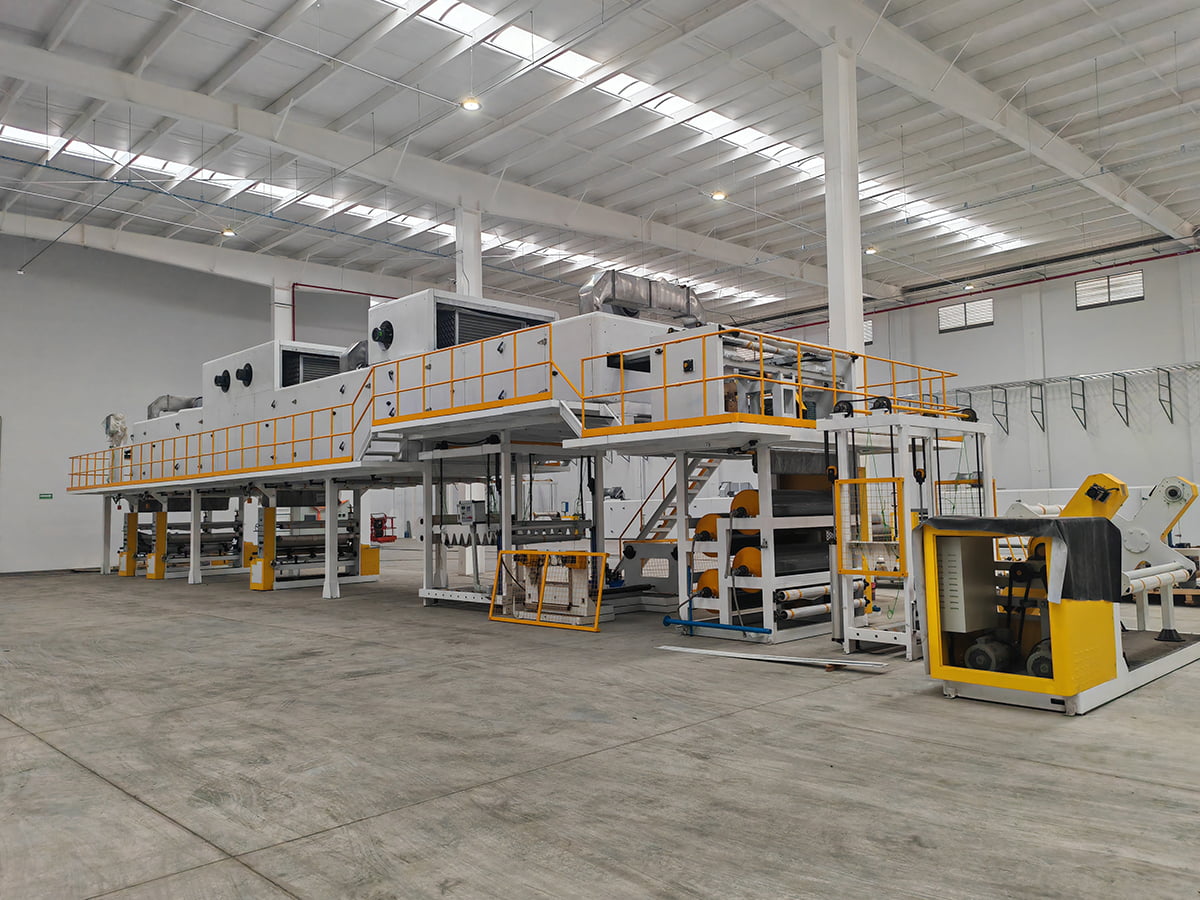
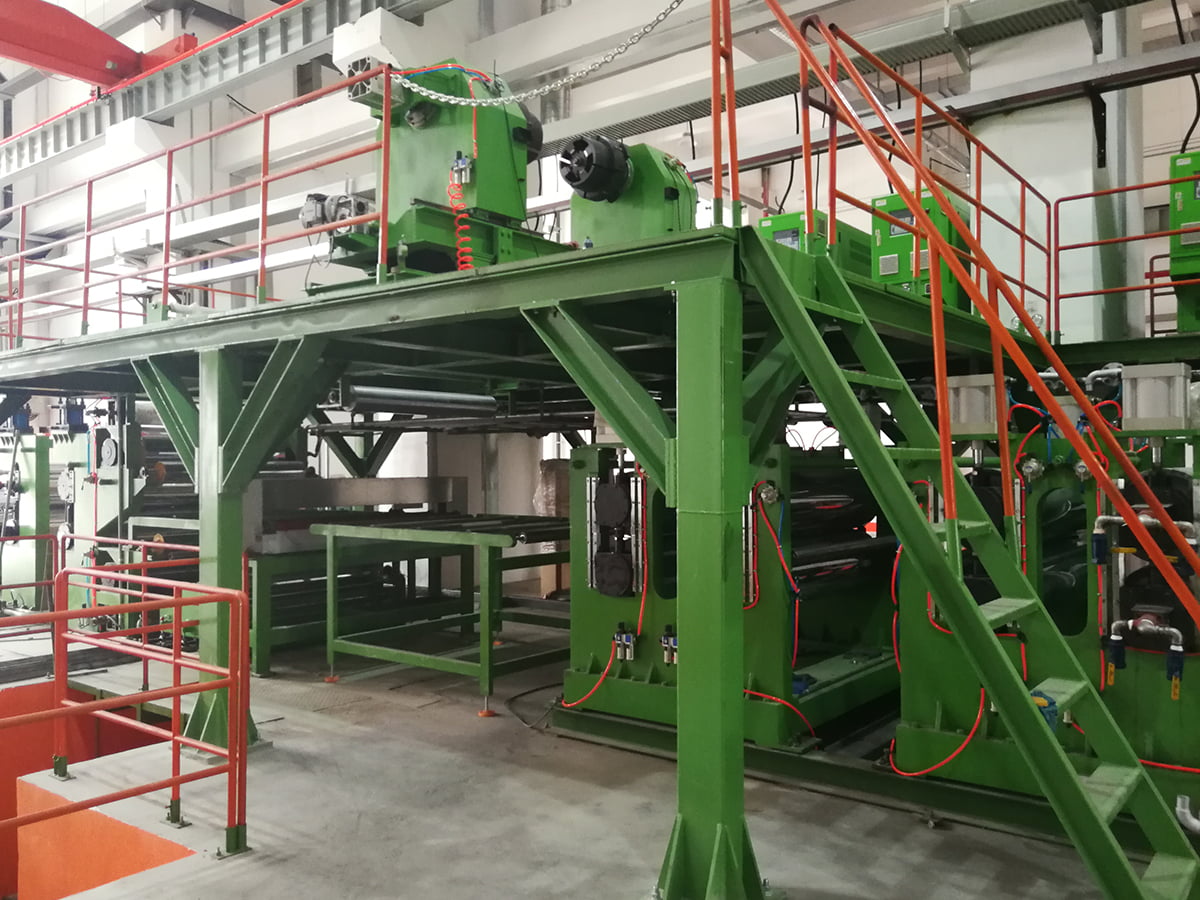
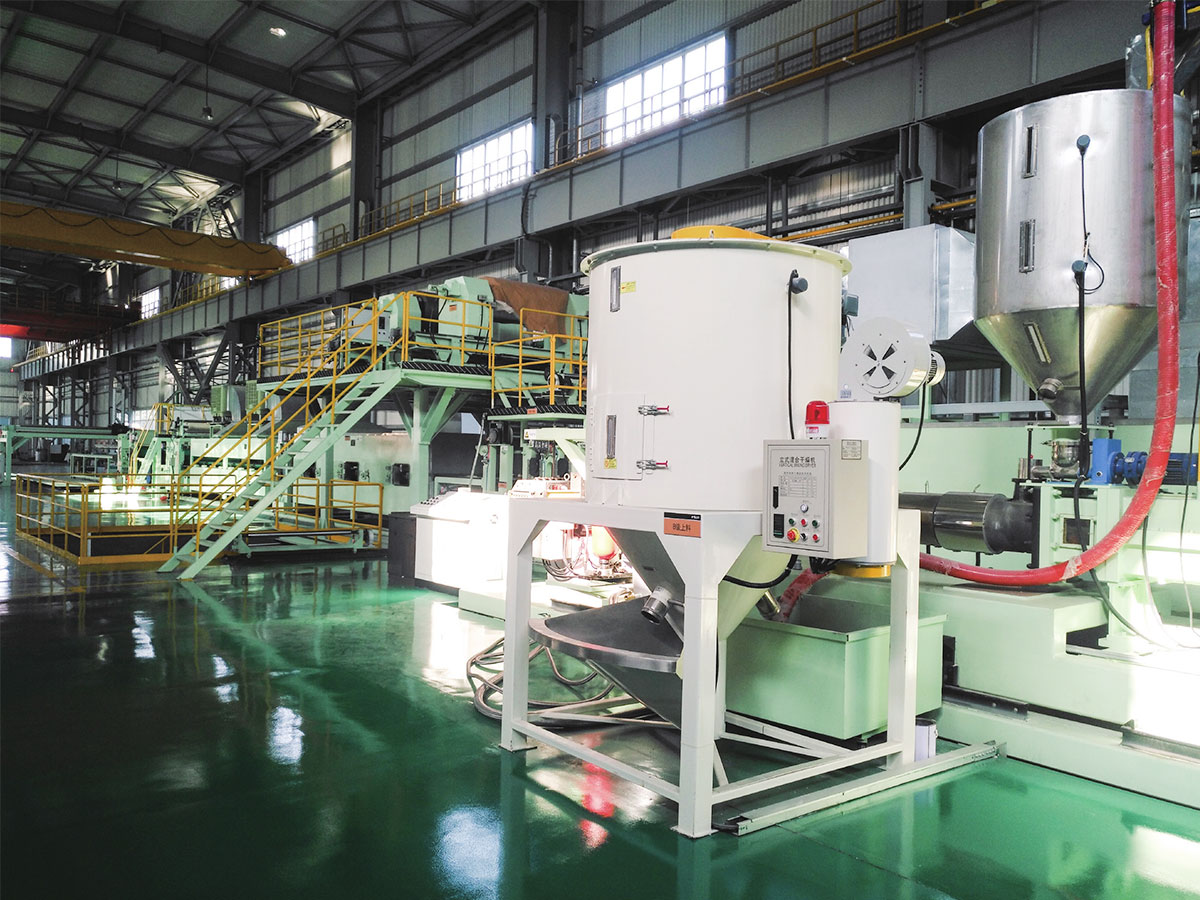
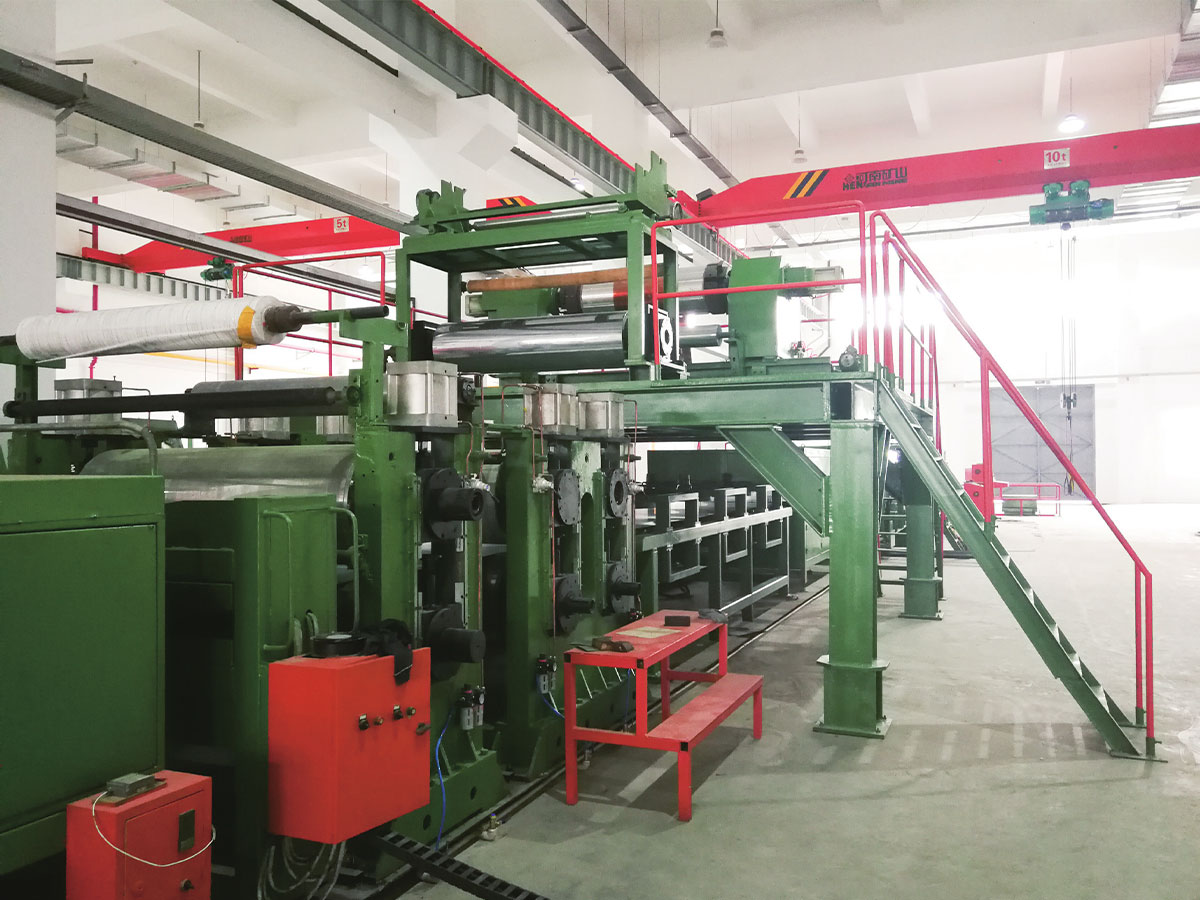
A metal coil coating line is a continuous industrial production system designed to apply protective and decorative coatings to coils of steel and aluminum in a single, uninterrupted process. Its primary purpose is to transform bare metal strip into a finished, pre-painted material ready for fabrication — delivering surface protection, aesthetic versatility, and functional performance properties in one highly efficient operation. The coated coil exits the line ready for downstream processing into construction panels, automotive components, appliances, packaging, and a wide range of other end products.
Unlike batch painting or post-fabrication coating methods, a coil coating line processes metal before it is formed into final parts, allowing coating to be applied uniformly across the entire strip surface under tightly controlled conditions. This approach delivers consistent coating thickness, color accuracy, and adhesion quality that is extremely difficult to replicate with any alternative method, while simultaneously achieving production rates of up to 200 meters per minute on modern high-speed lines.
Core Purpose: Surface Protection of the Metal Substrate
The most fundamental purpose of a metal coil coating line is to protect the metal substrate — steel or aluminum — from corrosion, oxidation, UV degradation, and chemical attack throughout its service life. Bare steel and aluminum, when exposed to moisture, oxygen, and environmental contaminants, degrade rapidly. A properly applied coil coating system creates a continuous barrier between the metal surface and the outside environment, dramatically extending the material's usable lifespan.
Corrosion Resistance
Steel coated on a modern coil coating line can achieve salt spray corrosion resistance of 1,000–3,000 hours or more depending on the coating system used, compared to bare galvanized steel which may show red rust after fewer than 100 hours of salt spray exposure. The coating system typically consists of multiple layers — a chemical pretreatment conversion layer, a primer coat, and a topcoat — each contributing specific barrier and active corrosion-inhibiting properties.
UV and Weathering Protection
Coil coatings used in architectural and outdoor applications incorporate UV absorbers and HALS (Hindered Amine Light Stabilizers) that protect both the coating layer and the substrate beneath from photodegradation. High-performance coatings based on polyvinylidene fluoride (PVDF) resins — widely used in architectural facade panels — are rated to maintain color and gloss for 20–30 years of outdoor exposure with minimal chalking or fading, as verified by accelerated weathering tests equivalent to decades of Florida or Arizona outdoor exposure.
Chemical Resistance
Coil-coated metal used in food packaging, pharmaceutical facilities, and industrial environments must resist exposure to cleaning agents, acids, alkalis, and solvents. The coil coating line allows the application of specialist chemical-resistant coatings — including epoxy, polyester, and modified polymer systems — that would be difficult or impossible to apply uniformly by any post-fabrication method.
Decorative Purpose: Delivering Color, Texture, and Aesthetic Quality
Beyond protection, the coil coating line serves a critical decorative function — transforming plain metal strip into visually finished material available in virtually any color, gloss level, texture, or surface effect specified by the end-product designer. This decorative capability is central to the adoption of pre-coated metal in architecture, interior design, and consumer goods manufacturing.
Color Consistency Across Production Runs
The continuous, machine-controlled nature of the coil coating process allows color to be maintained within tight tolerances — typically delta E (ΔE) values of less than 0.5 within a single production run, and within 1.0 between runs — ensuring that panels or parts produced from different coils appear visually identical in the finished installation. This level of color consistency is unachievable with spray painting or brush-applied finishes.
Gloss Level Control
Coil coating lines can produce finishes ranging from ultra-matte (gloss levels below 5 on the 60° scale) to high gloss (above 85), allowing architects, product designers, and manufacturers to specify precisely the reflectance characteristics required. Gloss uniformity across the coil width — measured and controlled in real time on modern lines — ensures that products have a consistent surface appearance with no streaking or variation.
Textured and Special Effect Finishes
Advanced coil coating lines equipped with embossing rolls, printing units, or specialty coating applicators can produce textured surfaces (wood grain, stone effect, hammered metal), metallic finishes, anti-fingerprint treatments, and micro-structured surfaces — all applied inline as part of the continuous process. These decorative capabilities allow coil-coated metal to substitute for more expensive or less durable surface materials in many architectural and consumer product applications.
Functional Purpose: Adding Special Performance Properties
A metal coil coating line does not merely apply paint — it can engineer a wide range of functional properties into the metal surface that expand its application possibilities far beyond what the bare substrate could achieve alone.
| Functional Property | Coating Technology | Key Application |
|---|---|---|
| Self-cleaning | Photocatalytic TiO₂ topcoat | Architectural facades, roofing |
| Antibacterial / antimicrobial | Silver ion or copper-based additives | Hospitals, food processing, HVAC |
| Heat reflection (cool roof) | High solar reflectance pigments | Industrial roofing, energy efficiency |
| High-temperature resistance | Silicone-modified resins | Appliance parts, exhaust systems |
| Anti-fingerprint | Low surface energy topcoat | Appliances, elevators, consumer electronics |
| Formability (post-forming) | High-elongation flexible coatings | Roll-formed roofing, cladding panels |
| Electrical conductivity / insulation | Conductive or dielectric coatings | Electronics enclosures, transformers |
| Lubricity | Wax or PTFE-containing topcoats | Automotive stamping, cans |
The ability to engineer functional properties directly into the coil coating — rather than relying on post-production treatments or separate functional layers — is one of the most compelling purposes of the coil coating line. It allows material manufacturers to supply metal that already meets demanding end-use specifications straight off the coil, with no additional processing required by the fabricator.
Process Purpose: How the Coil Coating Line Achieves Its Goals
The purpose of each stage in the coil coating line process chain is precisely defined — every step contributes to the final coating's adhesion, durability, appearance, and functional performance. Understanding the process clarifies why the line is designed as a continuous, integrated system rather than a series of separate batch operations.
Entry Section: Uncoiling and Joining
The entry section feeds metal coils into the line continuously. A dual-mandrel uncoiler allows one coil to be in process while the next is prepared, and an automatic stitcher or welder joins the tail of the outgoing coil to the head of the incoming coil — maintaining uninterrupted strip flow at line speed. An entry accumulator (looping pit or tower) stores sufficient strip to allow coil joining without slowing the processing section, which must maintain constant speed for coating quality.
Pretreatment Section: The Foundation of Coating Performance
Pretreatment is arguably the most critical stage for coating durability and is one of the primary purposes of the coil coating line's design. The strip passes through a sequence of chemical treatment stages:
- Degreasing: Alkaline or acidic cleaning removes rolling oils, mill scale, surface contamination, and fingerprints that would prevent coating adhesion. Inadequate degreasing is a leading cause of coating failures.
- Rinsing: Multiple rinse stages remove cleaning chemical residues to prevent contamination of subsequent stages. Final rinses often use deionized water to prevent mineral deposits on the metal surface.
- Conversion coating: A chromate, chrome-free, or phosphate chemical conversion treatment reacts with the metal surface to create a thin, strongly adherent conversion layer — typically 1–3 mg/m² for chromate systems — that dramatically improves primer adhesion and provides a first line of active corrosion protection.
- Drying: The pretreated strip is dried in a heated oven to remove surface moisture completely before entering the coating section, preventing adhesion problems or coating defects caused by residual water.
Coating Section: Applying Primer and Topcoat
The coating section applies liquid paint to both sides of the strip simultaneously using precision roll coating heads. A typical two-coat coil coating line applies a primer coat to both sides in the first coater, cures it in the first oven, then applies a topcoat to the top surface and a backer coat to the bottom surface in the second coater, curing both in the second oven.
The roll coater — consisting of an applicator roll, pick-up roll, and doctor roll — transfers a precisely metered film of coating onto the strip surface. Film thickness is controlled by adjusting roll speeds, nip pressures, and coating viscosity, achieving wet film thickness uniformity of ±0.5–1 µm across the strip width. Dry film thickness for a standard architectural topcoat is typically 20–25 µm, while primers are applied at 5–8 µm.
Curing Ovens: Converting Liquid Coating to a Durable Film
The purpose of the curing ovens is to drive off solvent from the wet coating and trigger the cross-linking chemical reactions within the resin system that convert the liquid film into a hard, durable, chemically resistant solid coating. This is achieved by heating the coated strip to a peak metal temperature (PMT) — the temperature the metal surface reaches, not the oven air temperature — that is specific to each coating chemistry.
Typical peak metal temperatures for common coil coating systems are:
- Polyester (SMP): 215–232°C PMT, dwell time 25–45 seconds in oven
- High durability polyester (HDP): 220–240°C PMT
- PVDF (polyvinylidene fluoride): 232–246°C PMT
- Epoxy primer: 180–220°C PMT
The oven system must maintain precise temperature profiles across the full width and length of the strip — temperature variation of more than ±5°C from the target PMT can cause under-cure (soft, uncross-linked coating with poor adhesion) or over-cure (brittle coating with reduced formability and color shift). Modern coil coating ovens use multi-zone temperature control with real-time pyrometer monitoring of strip surface temperature to maintain these tight tolerances.
Cooling and Exit Section
After the final curing oven, the hot coated strip must be cooled rapidly to a temperature safe for contact with rolls and coiling — typically below 40–50°C — without damaging the fresh coating surface. Water quench or forced air cooling systems are used depending on the coating system and line speed. The exit accumulator maintains strip flow while the recoiler builds up the finished coil, and a final surface inspection system checks for coating defects before the coil is removed for storage or shipment.
Economic Purpose: Efficiency and Cost Advantages Over Alternative Coating Methods
A major purpose of the coil coating line — from an industrial economics perspective — is to deliver coated metal at substantially lower cost per unit area than any alternative coating method, while simultaneously achieving higher quality and more consistent results. The continuous process architecture is the key to this economic advantage.
Throughput and Productivity
Modern coil coating lines operate at line speeds of 60–200 meters per minute for steel and 80–180 meters per minute for aluminum, processing coils of up to 20–30 tonnes each. A single coil coating line running at 120 m/min on a 1,250mm-wide strip can coat approximately 540,000 m² of metal per week of continuous operation. No batch coating method approaches this throughput rate.
Reduced Waste and Material Efficiency
The roll coating application method used in coil coating lines achieves coating transfer efficiencies of 95–99% — virtually all paint applied to the applicator roll ends up on the metal strip. Spray painting methods, by contrast, achieve transfer efficiencies of only 40–65%, meaning more than a third of the coating material is wasted as overspray. This efficiency difference has significant implications for material cost, solvent emissions, and environmental compliance.
Energy Recovery
Modern coil coating lines incorporate thermal oxidizer systems that combust solvent vapors driven off during curing. The heat generated in this combustion is recovered and recirculated back into the curing ovens, reducing the external energy input required to maintain curing temperatures. Lines with high-efficiency thermal oxidizers and heat recovery systems can meet up to 60–80% of their oven energy demand from combustion of the solvent content in the coating itself — significantly reducing operating energy costs.
Fabrication Efficiency for Downstream Users
Pre-coated coil from a coil coating line allows downstream fabricators — roll formers, stamping plants, panel manufacturers — to eliminate their own painting operations entirely. This removes the need for paint booths, spray equipment, curing ovens, solvent handling, waste treatment, and the associated permits and labor costs from the fabricator's facility. Studies have shown that coil coating can reduce total finishing costs by 15–30% compared to post-fabrication painting for many standard product types, while producing superior quality results.
Environmental Purpose: Reducing the Ecological Impact of Metal Finishing
The coil coating line also serves an important environmental purpose — consolidating coating operations into a single, highly controlled industrial facility where solvent emissions, wastewater, and chemical waste can be managed and treated far more effectively than in distributed post-fabrication painting operations.
- VOC emission control: All solvent vapors from the curing ovens are directed through thermal oxidizers that destroy more than 99% of volatile organic compounds (VOCs) before the exhaust is released. This is far more effective than controlling emissions from dozens of individual spray booths at fabrication sites.
- Wastewater treatment: Pretreatment rinse water is collected and treated through purpose-built effluent treatment plants before discharge, removing heavy metals, phosphates, and other contaminants to regulatory standards. Distributed painting operations are far less able to achieve this level of effluent control.
- Chrome-free pretreatment: The coil coating industry has been a leader in transitioning away from hexavalent chromium pretreatments — a carcinogenic substance — to chrome-free conversion coating alternatives, driven partly by the concentrated, controllable nature of industrial coil coating operations.
- Waterborne and high-solids coatings: Coil coating lines can be configured to apply low-VOC waterborne coatings or high-solids solvent-based systems that reduce solvent emissions compared to conventional coating formulations, further reducing the environmental footprint of the coating process.
Industries and Applications Served by Coil Coating Lines
The products of coil coating lines are found in virtually every sector of the built environment and manufacturing industry. The breadth of applications served illustrates the versatility of purpose that the coil coating line enables.
| Industry | Typical Substrate | Coating System | Key Performance Requirement |
|---|---|---|---|
| Building and construction | Galvanized steel, aluminum | PVDF, HDP polyester | 20–30 year weathering durability |
| Roofing and cladding | Galvanized / Galvalume steel | SMP or HDP polyester | Corrosion resistance, formability |
| Household appliances (white goods) | Cold-rolled or galvanized steel | Polyester, anti-fingerprint | Scratch resistance, formability |
| Food packaging (two-piece cans) | Tinplate, TFS steel | Epoxy, vinyl organosol | FDA compliance, deep drawing |
| Automotive (non-visible parts) | High-strength steel, aluminum | Weldable primer, lubricant coat | Stampability, weldability |
| HVAC and ventilation | Galvanized steel, aluminum | Antibacterial, anti-mold coatings | Hygiene, indoor air quality |
| Solar energy (reflectors, panels) | Aluminum | High-reflectance functional coatings | Optical performance, durability |
Precision Control Systems: How the Line Achieves Consistent Quality
The purpose of a coil coating line cannot be fully realized without the sophisticated control systems that maintain process parameters within the tight tolerances required for consistent coating quality. Modern coil coating lines are highly automated, with real-time monitoring and closed-loop control of every critical process variable.
Coating Thickness Control
Wet film thickness is controlled by adjusting the speed differential between the applicator roll and the strip (the ratio determines how much paint is transferred), the nip pressure between rolls, and the coating viscosity — which is managed by temperature-controlled coating pans. Post-curing, dry film thickness is measured inline using non-contact X-ray fluorescence (XRF) or magnetic induction gauges that provide continuous readings across the strip width. Modern systems achieve dry film thickness uniformity of ±1 µm on a nominal 20 µm film.
Temperature Control and Peak Metal Temperature Monitoring
Oven temperature profiles are controlled through multi-zone burner management systems, with each zone independently adjustable. Strip surface temperature is monitored by non-contact infrared pyrometers positioned at the oven exit. The PMT achieved on the strip is the definitive indicator of cure quality — modern systems maintain PMT within ±3°C of the target value through closed-loop feedback between pyrometer readings and burner output.
Strip Tension Control
Maintaining correct strip tension throughout the line is essential for flatness, consistent coating application, and safe operation. Too little tension allows the strip to weave or flutter in the ovens, causing uneven heat exposure and coating streaks; too much tension risks strip stretching or breakage. Tension is monitored by load cells at multiple points along the line and controlled by zone-by-zone speed adjustment of the drive rolls, maintaining tension within ±2% of the setpoint.
Automated Defect Detection
High-speed camera systems and surface inspection algorithms scan the coated strip surface at full line speed, detecting defects including pinholes, streaks, color variations, surface contamination, and coating runs in real time. Detected defects are logged with their position on the coil, allowing precise cutting of defective sections from the finished coil before shipment to the customer.
About JiangSu XieCheng Intelligent Equipment Co., Ltd.
JiangSu XieCheng Intelligent Equipment Co., Ltd. is located in Jinhu Economic Development Zone, Huai'an City, Jiangsu Province, China. Established in 2004, the company is a wholly owned machinery and equipment subsidiary of Jiangsu Aludeco New Materials Co., Ltd., specializing in the research and development, design, manufacturing, and sales of production lines for various new composite materials.
With over two decades of focused experience in intelligent equipment manufacturing, JiangSu XieCheng Intelligent Equipment Co., Ltd. brings deep engineering expertise to the design of metal coil coating lines and related composite material production systems. The company's integrated approach — covering the full spectrum from R&D and design through to manufacturing and after-sales support — enables it to deliver coil coating line solutions precisely engineered to meet the process requirements, substrate specifications, and coating performance demands of modern metal processing operations.
Grounded in the advanced manufacturing environment of Jiangsu Province — one of China's leading industrial and technology centers — JiangSu XieCheng Intelligent Equipment Co., Ltd. combines proven production line engineering with continuous innovation in control systems, energy efficiency, and coating process technology to serve customers across the construction materials, appliance, packaging, and composite materials industries.