grammy@cjm.com.cn

 English
 русский
 Español
 عربى
عربى
Content
- 1 Continuous Processing Removes Batch Delays
- 2 Automated Coating Application Reduces Labor Time
- 3 Faster Curing Cycles Increase Throughput
- 4 Reduced Rework and Material Waste
- 5 Inline Quality Control Prevents Downstream Delays
- 6 Pretreatment Consistency Reduces Downstream Failures
- 7 Line Configuration Options That Support Higher Output
- 8 Energy Efficiency Supports Sustained High Speed Operation
- 9 Core Equipment That Drives Production Gains
- 10 Measuring Production Improvement After Installation
- 11 Planning a Line Upgrade for Maximum Production Gain
A metal coil coating line improves production by replacing slow, piece-by-piece painting with a continuous automated process that cleans, coats, and cures metal strip in one uninterrupted run. This reduces labor hours per unit, cuts paint waste, shortens curing time, and removes the bottlenecks that come with batch finishing. Facilities that switch from post-fabrication painting to coil coating commonly report significant gains in daily output and a drop in coating-related rework. A Metal Coil Coating Line is engineered specifically to deliver this kind of continuous throughput, and the sections below break down exactly how each stage of the process contributes to faster, more reliable production.
Continuous Processing Removes Batch Delays
Traditional batch painting requires loading parts, coating them, waiting for curing, then unloading before the next batch can begin. A coil coating line eliminates this stop-start pattern by feeding metal strip through cleaning, coating, and curing zones in one continuous pass. According to process data published by the National Coil Coating Association, coil lines typically run at speeds between 30 and 200 meters per minute, depending on coating type and gauge, which allows a single line to process what would take several separate batch cycles in a conventional paint shop.
What This Means for Daily Output
- A coil line can coat several thousand square meters of steel or aluminum in one shift
- Strip splicing at the entry end keeps the line running without full stoppages
- Curing ovens are matched to line speed, so drying time does not slow the process down
Automated Coating Application Reduces Labor Time
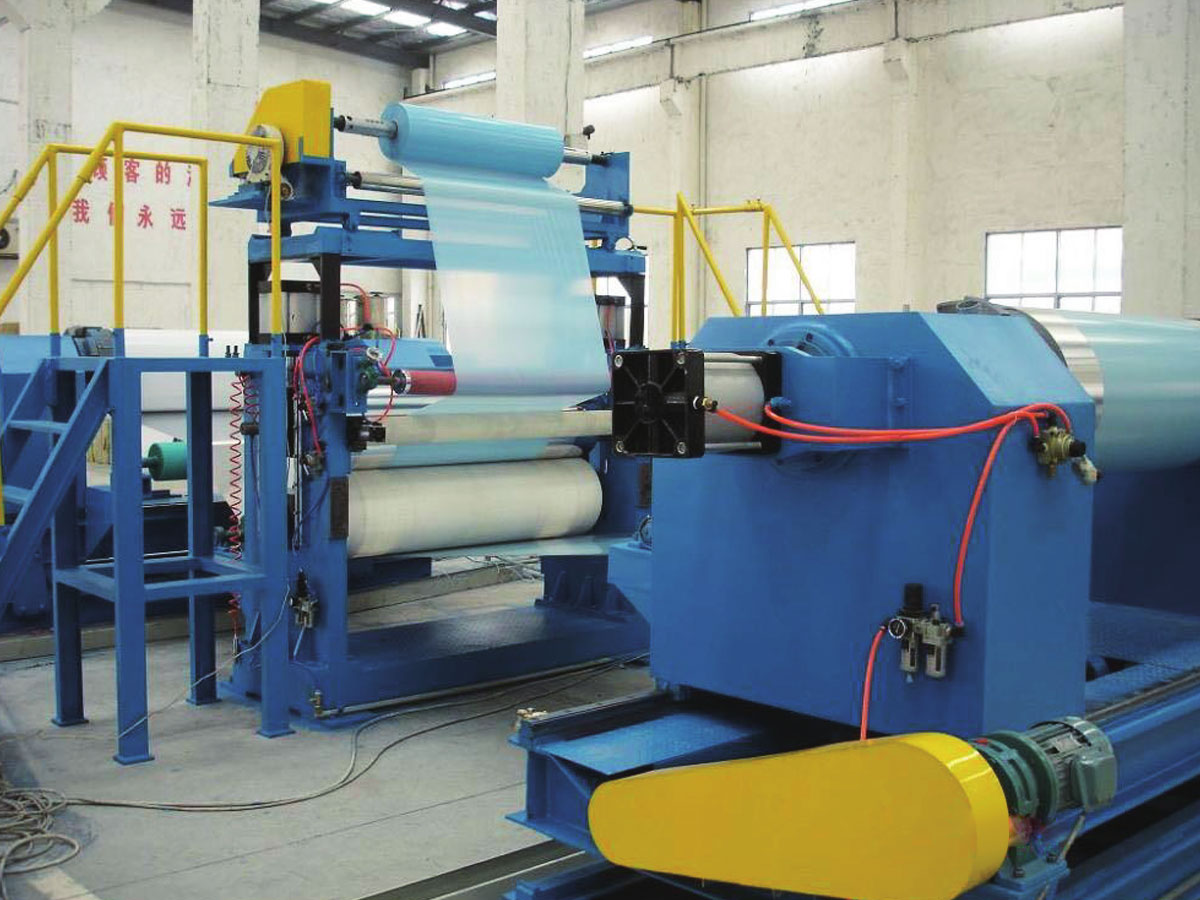
On a coil line, coating rollers apply paint automatically at a fixed thickness across the full strip width, removing the need for operators to manually spray or touch up individual parts. This lowers direct labor hours per unit of finished product and reduces the risk of human error causing thin spots or missed coverage.
Labor Comparison by Process Type
| Process | Typical Labor Involvement | Coating Consistency |
| Coil Coating Line | Low, mostly monitoring and setup | High, roller controlled thickness |
| Manual Spray Painting | High, operator dependent | Variable, depends on skill |
| Batch Powder Coating | Moderate, part loading required | Moderate, shape dependent |
Faster Curing Cycles Increase Throughput
Curing ovens on a coil line are calibrated to bring the coated strip to full cure within seconds, since the thin, even film applied by coating rollers cross links much faster than the thicker, uneven films sometimes left by manual spraying. This tight curing window means the line can maintain high speed without sacrificing coating hardness or adhesion, both of which are typically confirmed through pencil hardness testing under ASTM D3363.
How Oven Zoning Supports Speed
Most curing ovens are divided into multiple temperature zones, allowing the strip to be gradually brought up to peak metal temperature and then held just long enough to complete cross linking before cooling. This zoned approach prevents scorching at high speed while still achieving full cure, which is difficult to replicate consistently in a static batch oven.
Reduced Rework and Material Waste
Because coating thickness on a coil line is controlled within a tight tolerance, often within plus or minus 2 microns as commonly cited by coating equipment suppliers, there are far fewer thickness related defects that require rework. Paint waste is also significantly lower, since roller application uses close to the full volume of paint drawn into the system, unlike spray booths where overspray losses can reach 20 to 30 percent.
Common Sources of Waste Eliminated
- Overspray loss from manual spray guns
- Uneven coverage requiring a second coating pass
- Parts rejected for color or gloss mismatch between batches
Inline Quality Control Prevents Downstream Delays
Modern coil coating lines use inline sensors to monitor coating thickness, color, and gloss as the strip moves through the line, catching deviations immediately rather than after an entire batch has been coated. This real time feedback lets operators make small adjustments to roller gap or paint viscosity before a large volume of off-spec material is produced, which protects both production speed and material yield.
Typical Inline Checks
- Dry film thickness measurement after curing
- Color and gloss scanning against a target standard
- Surface defect detection using optical scanning systems
Pretreatment Consistency Reduces Downstream Failures
Production slowdowns often trace back to coating failures caused by poor surface preparation, such as leftover oil or oxide on the metal before painting. A coil line integrates chemical cleaning and conversion coating stages directly into the process, ensuring every meter of strip receives the same pretreatment before it reaches the coater. This consistency reduces the chance of adhesion failures that would otherwise require stopping the line to investigate and correct.
Line Configuration Options That Support Higher Output
Coil coating lines can be configured with single side, double side, or reverse roll coating stations depending on the product being produced, and the choice of configuration directly affects achievable line speed and finish quality.
Configuration Comparison
| Configuration | Best Suited For | Typical Line Speed Impact |
| Single Side Coating | Panels with one exposed face | Higher achievable speed |
| Double Side Coating | Products requiring finished backside | Moderate speed, added process time |
| Reverse Roll Coating | High precision decorative finishes | Slightly reduced speed, higher finish quality |
Energy Efficiency Supports Sustained High Speed Operation
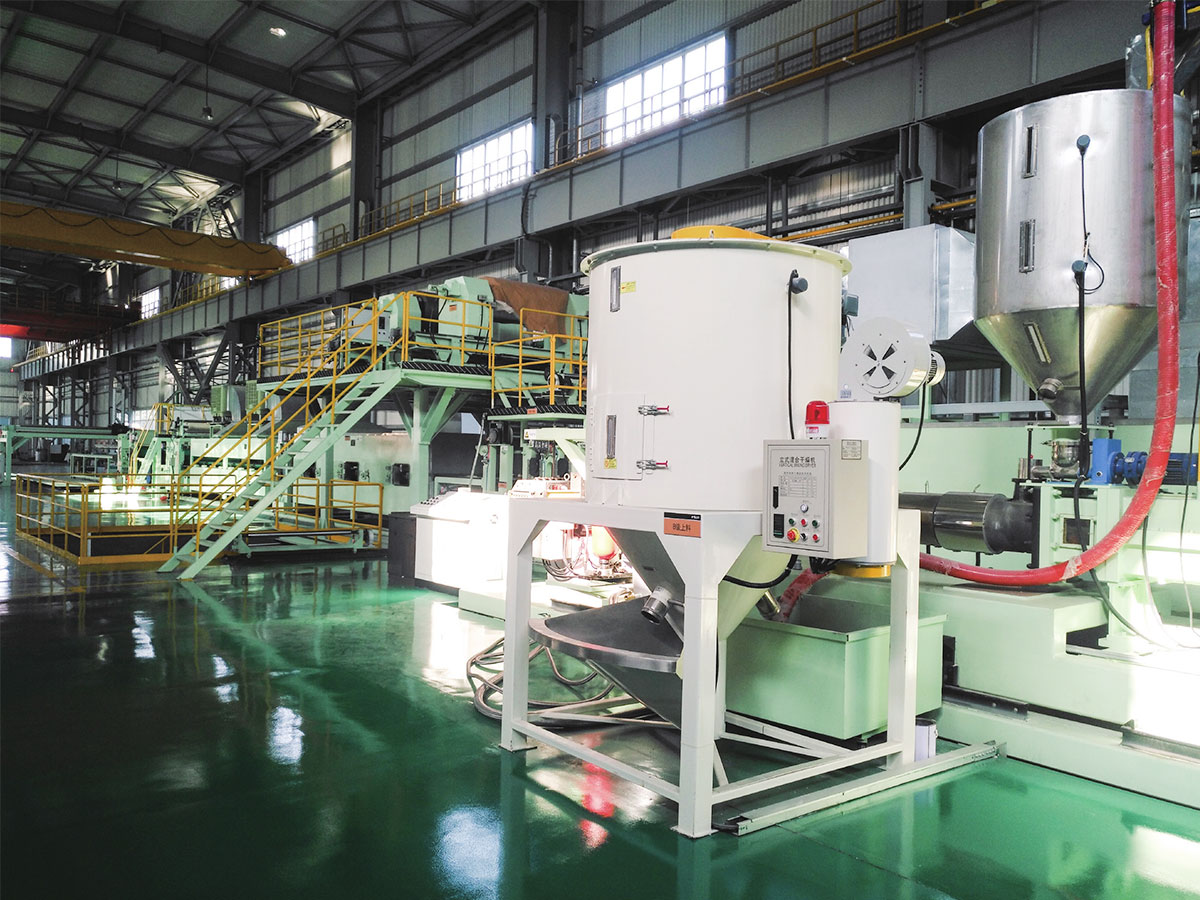
Running a curing oven at high, consistent throughput is generally more energy efficient per unit of coated area than repeatedly heating and cooling a batch oven between cycles. Many coil lines also recover heat from regenerative thermal oxidizers, which are used to destroy volatile organic compounds released during curing, and redirect that recovered heat back into the oven system to reduce fuel consumption while maintaining production speed.
Core Equipment That Drives Production Gains
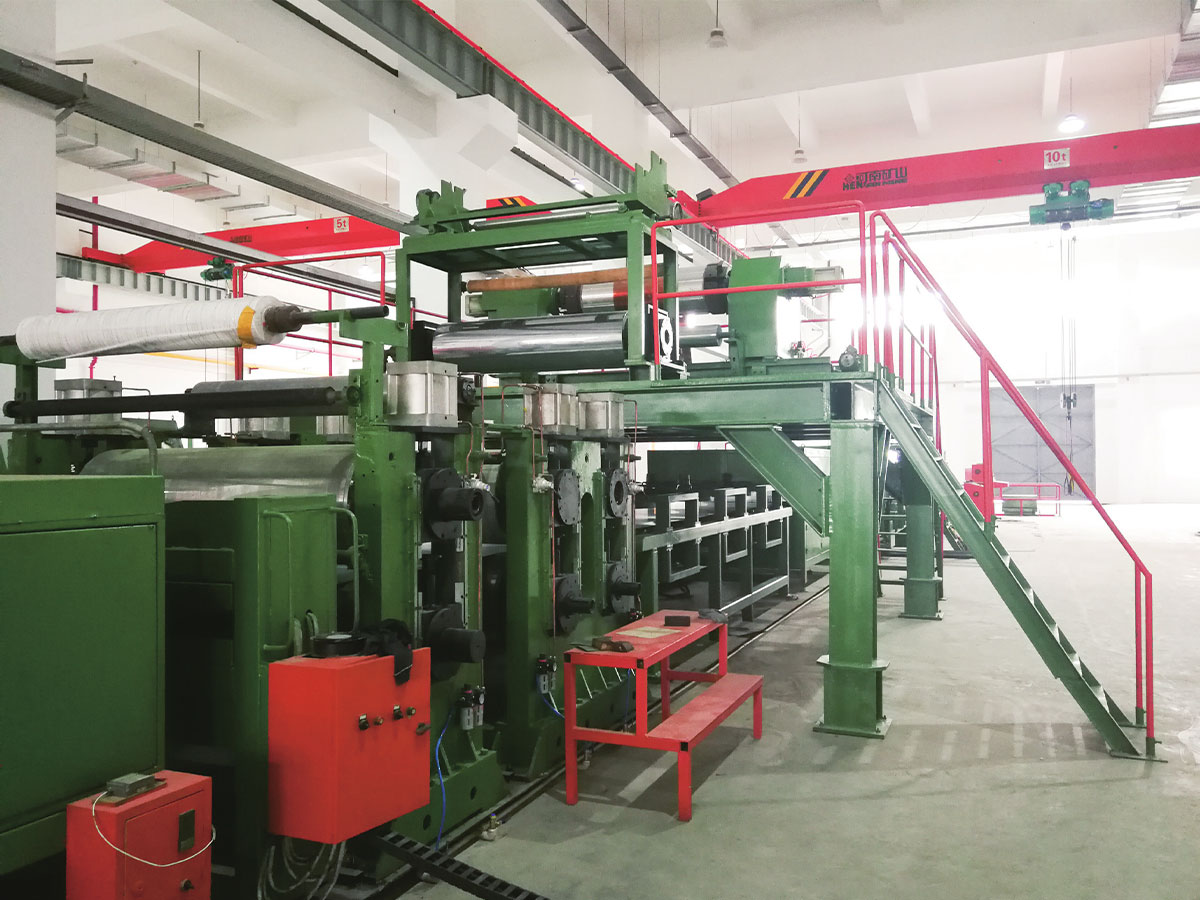
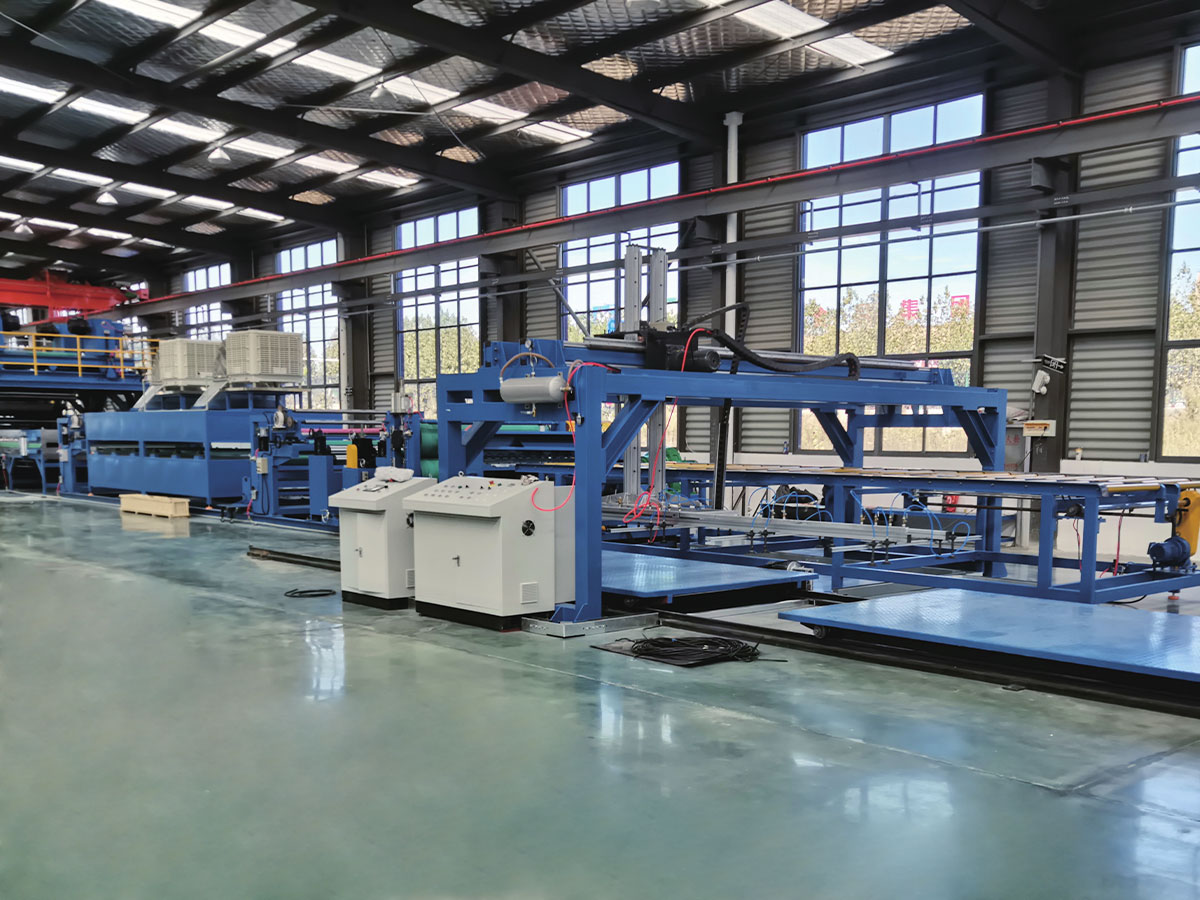
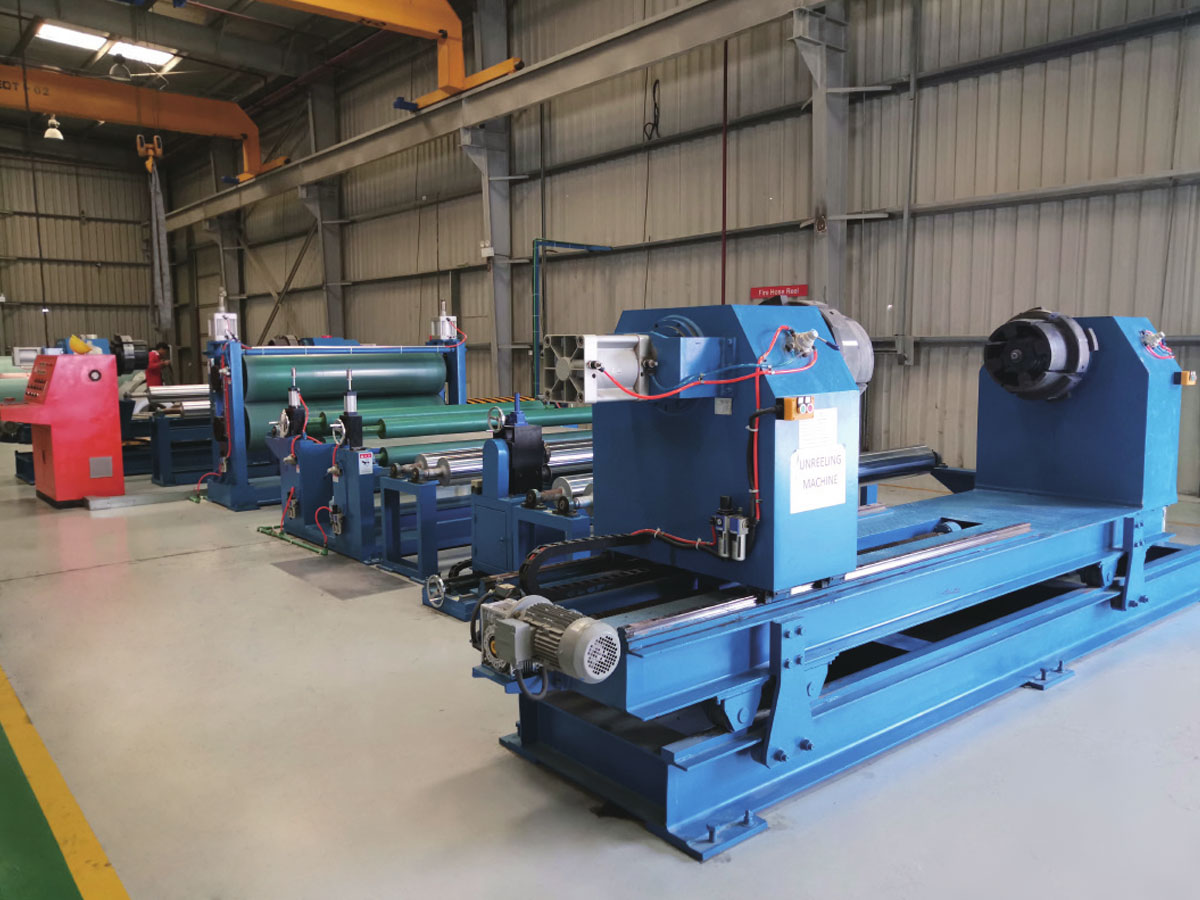
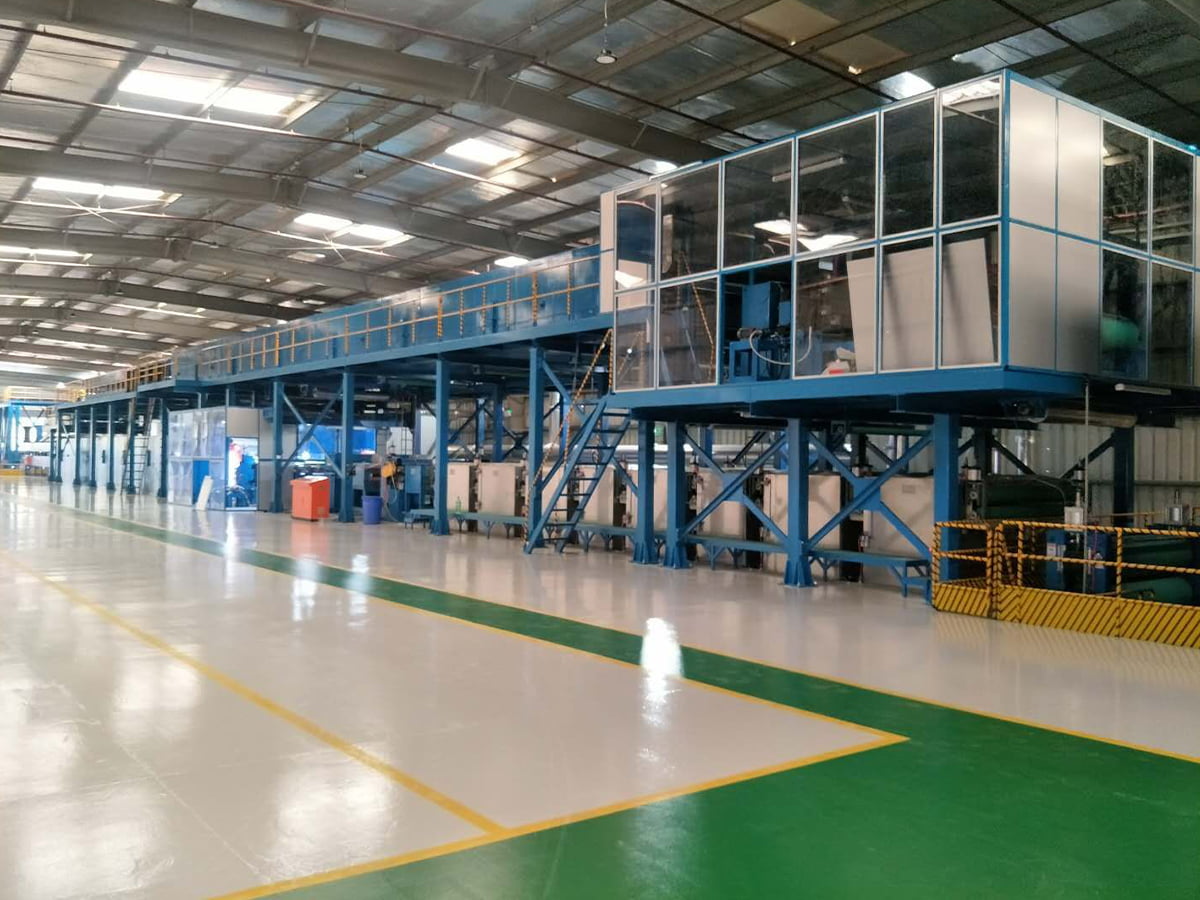
A complete coil coating line typically includes an uncoiler, accumulator, pretreatment section, coating station, curing oven, cooling section, and recoiler or cut-to-length unit, all synchronized to run at a matched speed. The accumulator in particular plays a key role in sustained production, since it stores a buffer of strip that allows the line to keep running at full speed while a new coil is spliced in at the entry end.
Why Synchronization Matters
If any single stage runs slower than the rest of the line, it becomes the limiting factor for overall output. This is why coil coating equipment is designed as an integrated system rather than a collection of separate machines, ensuring cleaning, coating, and curing capacities are matched from the start.
Manufacturers looking to increase output without adding shifts or floor space often find that upgrading to a dedicated Metal Coil Coating Line addresses the bottlenecks created by manual or batch finishing processes, since every stage of the line is built to run at the same matched speed.
Measuring Production Improvement After Installation
Facilities that install a coil coating line typically track output using square meters coated per shift, first pass yield, and downtime hours per week. Comparing these figures before and after installation gives a clear picture of the production gain, and most operations see the largest improvement in first pass yield, since inline quality checks catch problems before large volumes of material are affected.
Key Metrics to Track
- Square meters of coated coil produced per shift
- First pass yield percentage before rework
- Unplanned downtime hours per week
- Paint consumption per square meter of finished product
Planning a Line Upgrade for Maximum Production Gain
Before investing in a coil coating line, facility planners should review current bottlenecks, expected coil width and gauge range, and target output per shift, then match these requirements to oven length, coater configuration, and accumulator capacity. Working closely with an experienced equipment supplier during this planning stage helps ensure the finished line is sized correctly to deliver the production gains the facility is aiming for, rather than simply moving the bottleneck to a different stage of the process.