grammy@cjm.com.cn

 English
 русский
 Español
 عربى
عربى
Content
- 1 Establishing Consistent Raw Material Feeding
- 2 Controlling Lamination Temperature and Pressure
- 3 Building Structured Quality Inspection Checkpoints
- 4 Scheduling Preventive Maintenance for Rollers and Bonding Systems
- 5 Managing Line Speed and Throughput Balance
- 6 Training Operators for Consistent Process Execution
- 7 Tracking Production Data for Continuous Improvement
- 8 Managing Material Waste and Scrap Reduction
- 9 Who Should Focus on These Management Practices
Managing a metal composite panel production line effectively requires coordinating four core areas together: consistent raw material feeding, precise lamination temperature and pressure control, structured quality inspection checkpoints, and a proactive maintenance schedule for rollers and bonding systems. When these four areas operate in sync, facilities typically achieve higher first-pass yield rates and fewer unplanned downtime events compared to lines managed reactively rather than through a structured process. Manufacturing operations that implement standardized checkpoints at each production stage generally report significantly fewer defect-related material losses, since catching bonding or coating inconsistencies early prevents defective panels from progressing through the full line before detection.
Establishing Consistent Raw Material Feeding
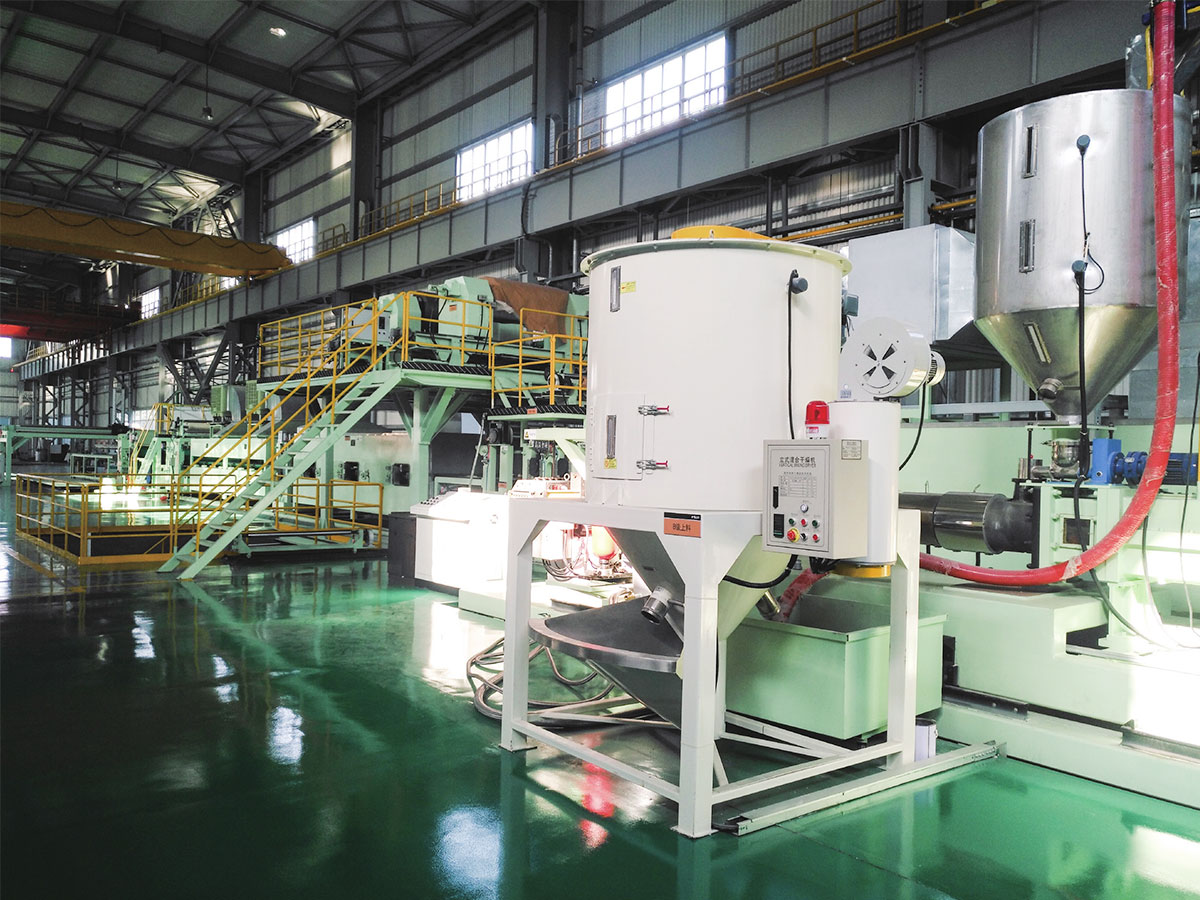
The foundation of stable production line management starts with how consistently raw materials, including aluminum coil, core material, and adhesive film, are fed into the line. Inconsistent feeding introduces variation that compounds through every downstream process.
Key Feeding Management Practices
- Verify coil thickness and width tolerances before loading onto the uncoiler
- Maintain consistent tension control to prevent wrinkling or misalignment during unwinding
- Schedule material changeovers during planned downtime rather than mid-run when possible
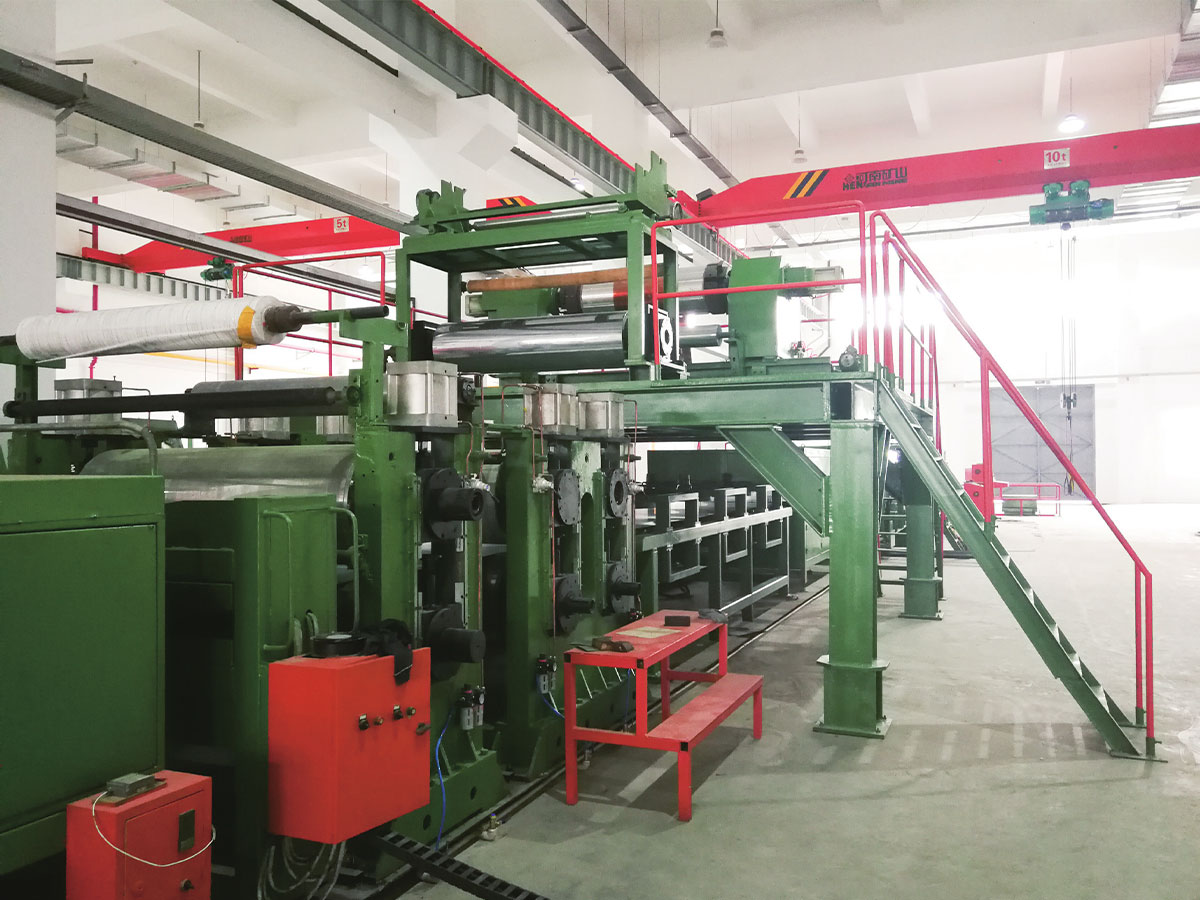
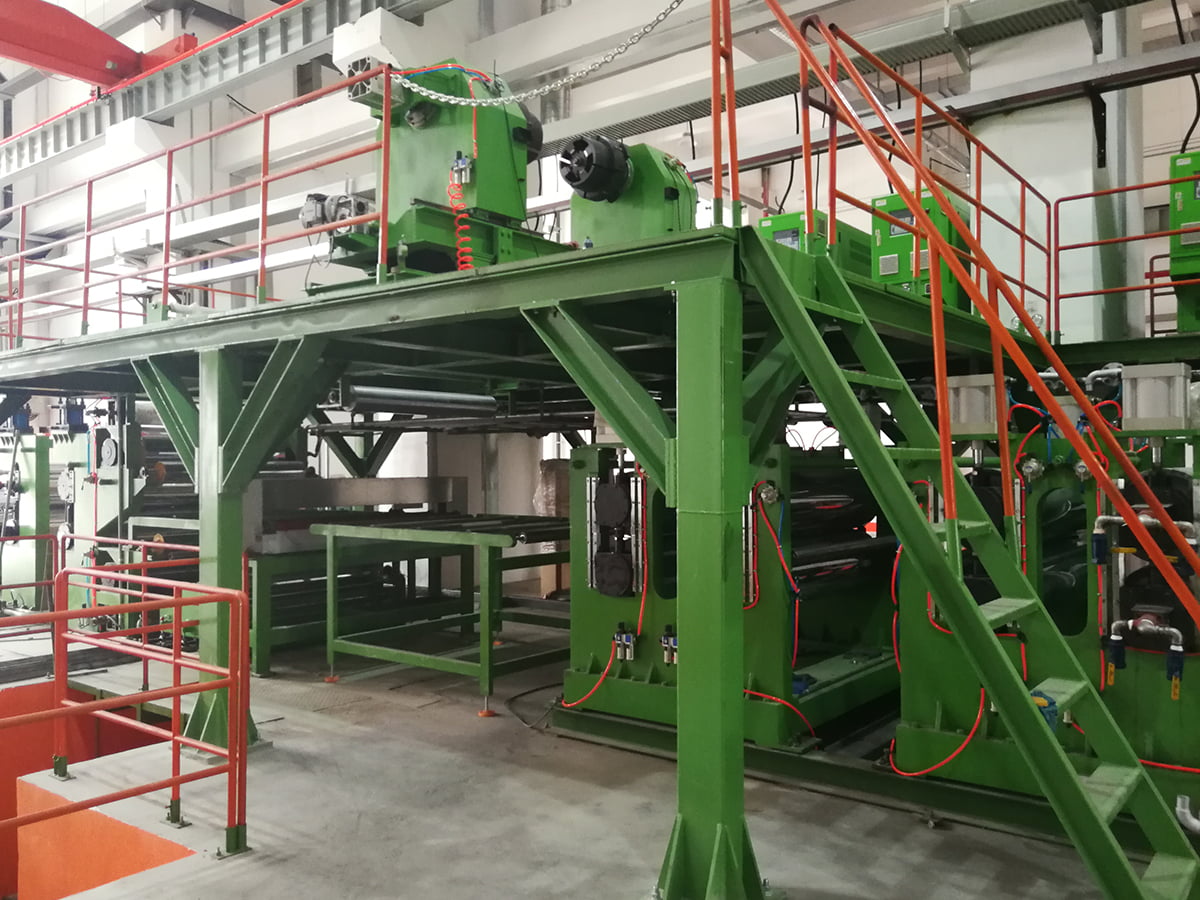
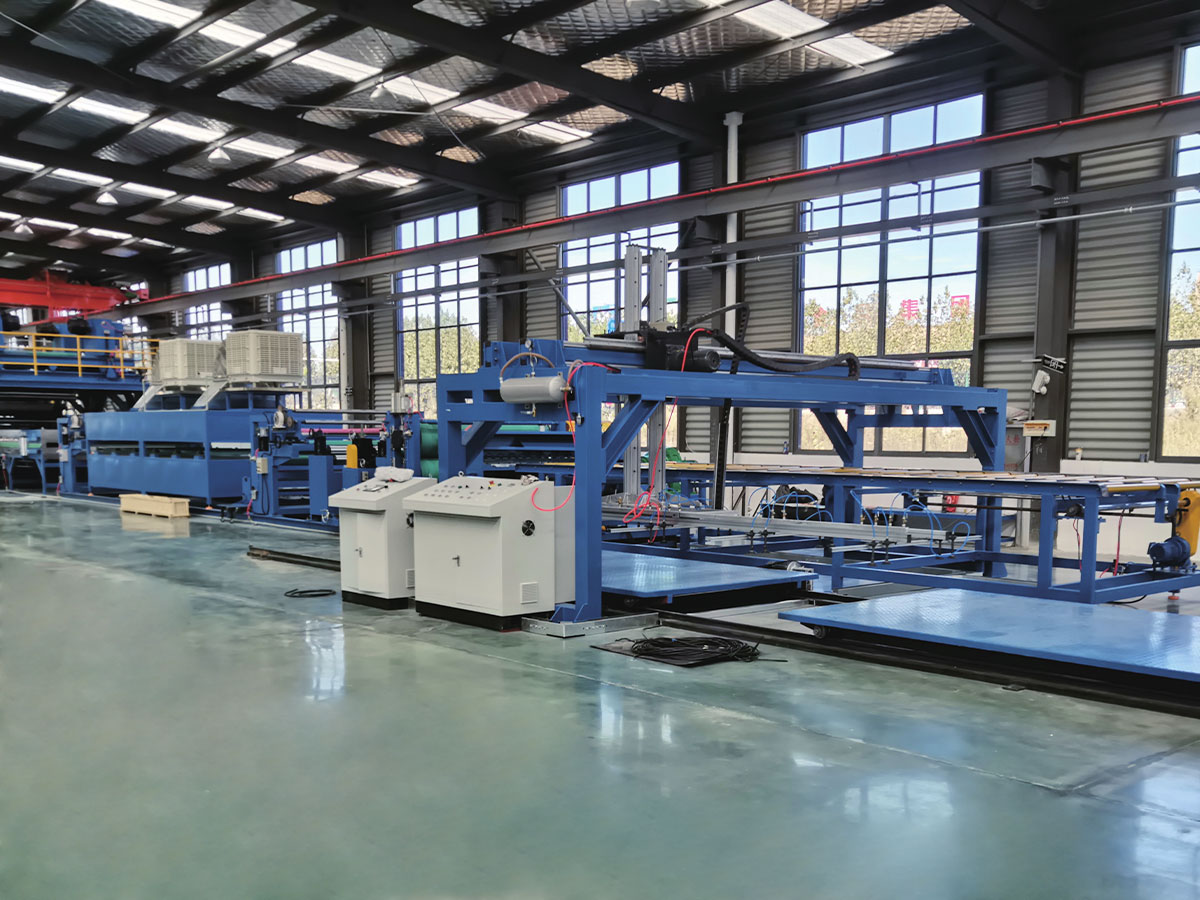
A well-managed Metal Composite Panel Production Line typically includes automated tension sensors that adjust unwinding speed in real time, reducing the manual oversight needed to maintain consistent material flow into the lamination stage.
Controlling Lamination Temperature and Pressure
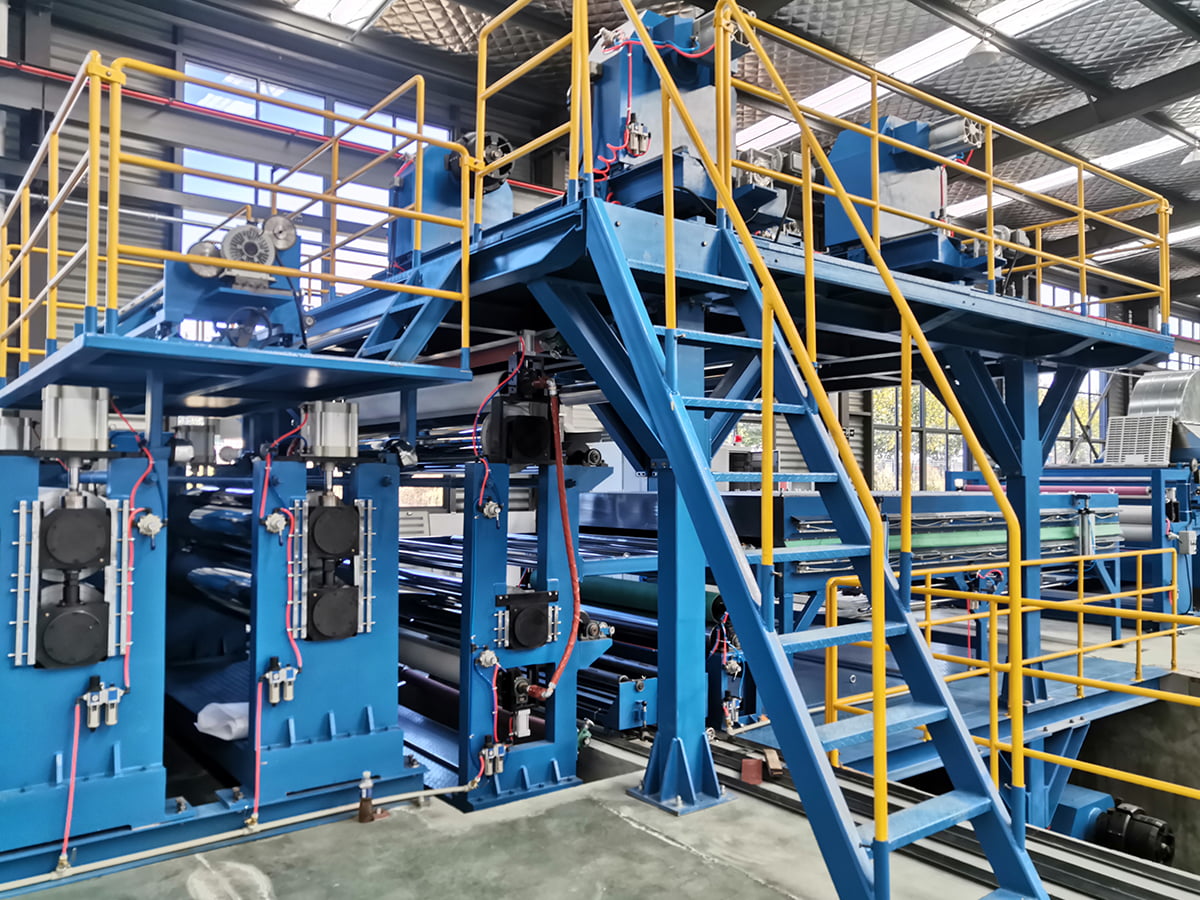
The lamination stage, where the metal skins bond to the core material, is one of the most critical points for quality control on the entire line. Even small deviations in temperature or roller pressure can lead to bonding defects that only become visible after the panel cools.
Typical Process Parameter Ranges
| Process Variable | Typical Operating Range | Effect if Out of Range |
| Lamination temperature | 180C to 220C depending on adhesive type | Weak bonding or delamination risk |
| Roller pressure | Manufacturer-specified per panel thickness | Surface imperfections or uneven core distribution |
These parameter ranges vary depending on the specific adhesive system and panel specification used, which is why production teams should always follow the process documentation provided for the particular material combination running through the line.
Building Structured Quality Inspection Checkpoints
Rather than relying solely on final inspection at the end of the line, effective production management incorporates quality checkpoints at multiple stages, allowing defects to be caught and corrected before significant material is wasted.
Recommended Inspection Points
- Post-uncoiling inspection to confirm surface quality and dimensional accuracy of raw coil
- Post-lamination inspection to check bonding integrity through peel or adhesion testing
- Final inspection after cutting to verify panel flatness, edge quality, and overall dimensional tolerance
Catching a bonding issue immediately after lamination, rather than after cutting and stacking, significantly reduces the amount of scrap material generated from a single process deviation.
Scheduling Preventive Maintenance for Rollers and Bonding Systems
Production line downtime is often traced back to preventable mechanical wear, particularly in rollers, heating elements, and adhesive application systems that experience continuous operational stress.
Critical Maintenance Areas
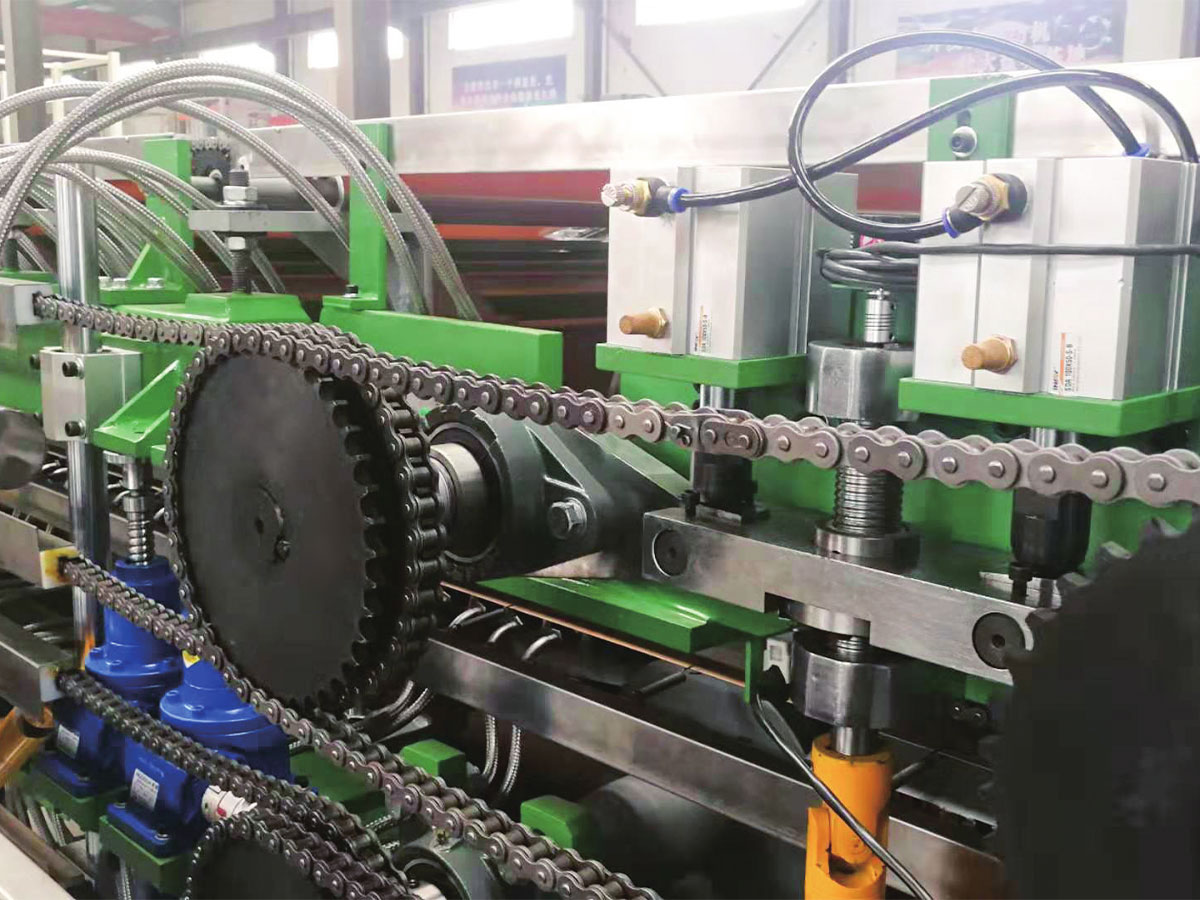
Rollers should be inspected regularly for surface wear or buildup that could transfer imperfections onto the panel surface, while heating elements require periodic calibration checks to ensure temperature readings remain accurate over time, since drift in these readings can silently affect bonding quality without triggering an obvious alarm.
Adhesive System Upkeep
Adhesive application nozzles and rollers should be cleaned on a defined schedule to prevent buildup that leads to uneven adhesive distribution, which is a common but often overlooked cause of localized bonding defects.
Managing Line Speed and Throughput Balance
Line speed directly affects both production output and lamination quality, making it one of the most important variables for production managers to monitor and adjust based on real-time conditions.
Balancing Speed With Quality Requirements
Running the line too fast for a given adhesive curing time can result in incomplete bonding, while running significantly slower than necessary reduces overall throughput without providing meaningful quality benefit once proper curing has already been achieved.
Adjusting for Panel Thickness Variation
Thicker panels generally require slower line speeds to allow adequate heat penetration through the material during lamination, meaning speed settings should be reviewed and adjusted whenever the production run switches between different panel specifications.
Training Operators for Consistent Process Execution
Even with well-calibrated equipment, operator consistency plays a significant role in maintaining stable production quality across shifts and personnel changes.
Core Training Focus Areas
- Recognizing early visual signs of bonding or surface defects during production
- Understanding correct response procedures when process parameters drift outside acceptable ranges
- Following standardized changeover procedures when switching between panel specifications
Consistent operator training across all shifts helps reduce the variability that often appears when different personnel manage the same Metal Composite Panel Production Line without standardized procedures in place.
Tracking Production Data for Continuous Improvement
Modern production line management increasingly relies on data tracking to identify patterns that would be difficult to catch through manual observation alone, particularly for intermittent quality issues.
Useful Metrics to Monitor
Tracking first-pass yield rate, average downtime per shift, and defect type frequency over time allows management teams to identify whether recurring issues trace back to a specific material batch, equipment component, or process parameter setting.
Using Data to Guide Maintenance Timing
Rather than following a fixed maintenance calendar alone, some facilities use defect trend data to identify early warning signs of roller or heating element wear, allowing maintenance to be scheduled proactively before a full quality issue develops.
Managing Material Waste and Scrap Reduction
Efficient production line management also involves actively working to minimize material waste, both for cost control and environmental responsibility, since aluminum and core material represent a significant portion of overall production expense.
Common Waste Reduction Strategies
Optimizing cut patterns to minimize edge trim waste, addressing root causes of recurring defects rather than simply discarding affected panels, and recycling aluminum scrap generated during trimming all contribute to a more cost-efficient production process over time.
Who Should Focus on These Management Practices
Production supervisors, plant managers, and quality control teams overseeing composite panel manufacturing operations benefit most from applying these structured management practices, particularly in facilities running multiple panel specifications or high production volumes. Newer operations setting up their first production line can use these principles as a foundation for building standardized procedures from the outset, rather than developing quality control practices reactively after issues arise.